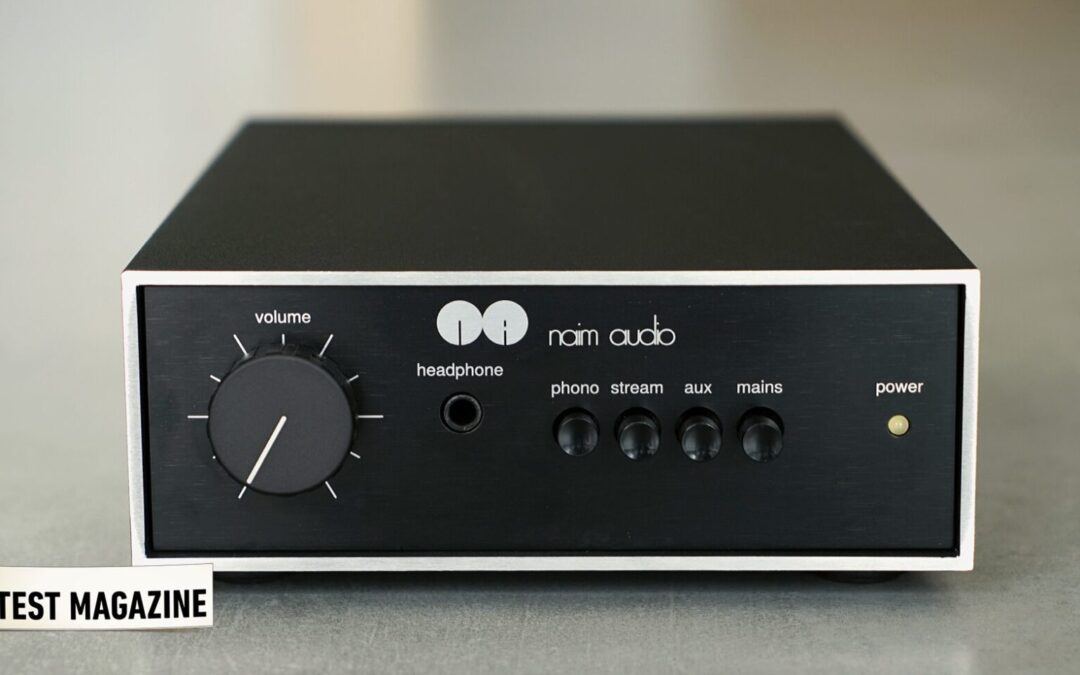
Created as a commemorative symbol for the 50th anniversary of the Naim brand, the NAIM NAIT 50 is produced in a limited edition of 1,973 units, the date on which the brand was created by Julian Vereker. That was all it took to pique our curiosity, as long-time fans of the British manufacturer!
Founded in 1969 in Salisbury by young Julian Vereker, Naim Audio Visual quickly made a name for itself with the quality of its amplifiers. The first model marketed by the brand was the NAP160, in 1971. The NAP250, launched in 1975, became a classic. Its amplification circuit was used in all subsequent Naim amplifiers until the launch of the NAP500 in 2000. The brand’s first integrated amplifier, the NAIT, appeared in 1983. NAIT is an acronym for Naim Audio InTegrated.
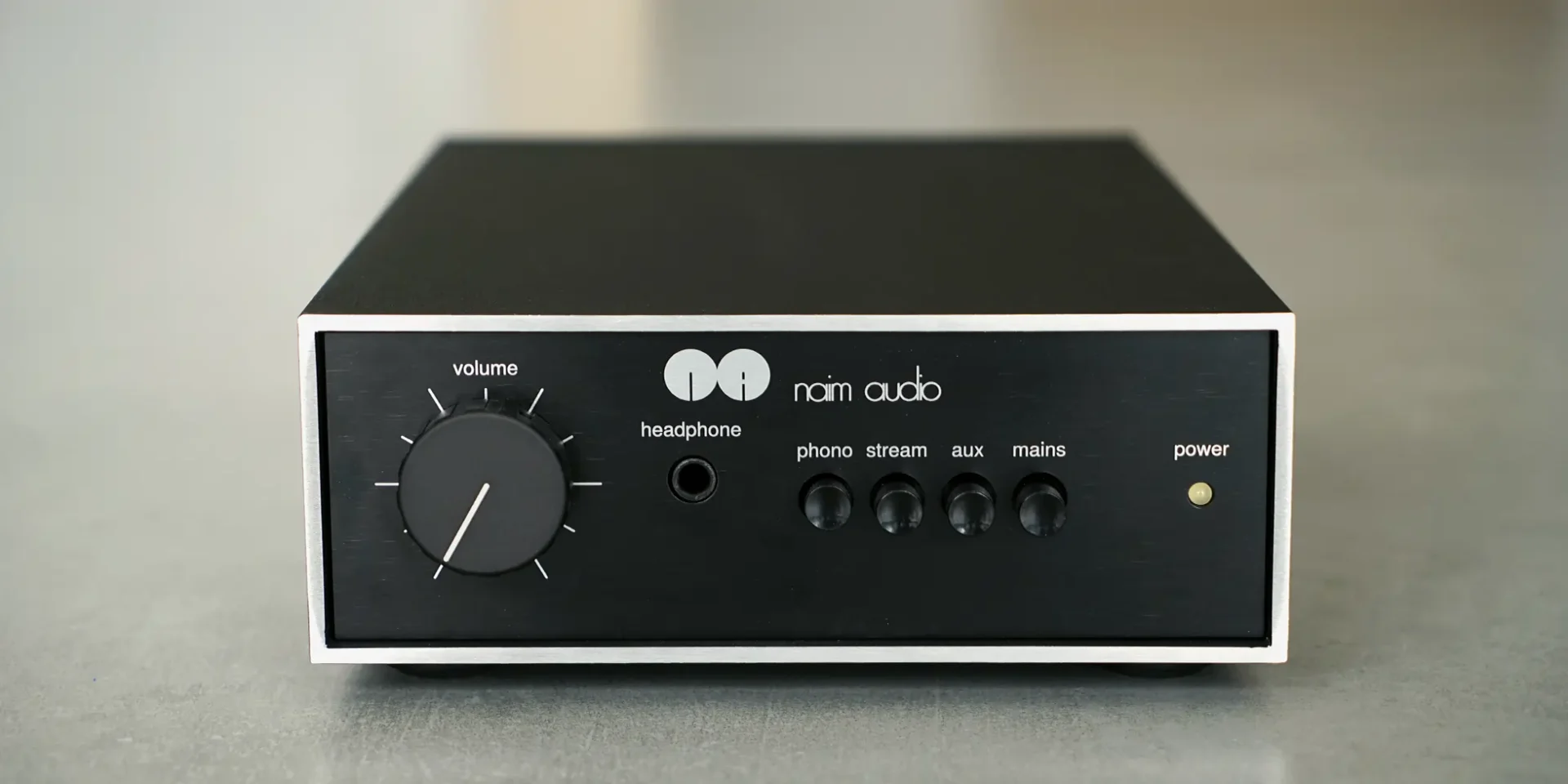
Unveiled in 2023 at High End Munich, the NAIT 50 is a “reissue” of the 1983 NAIT. The R&D experts in Salisbury have carefully recreated this iconic product with the legendary Naim chrome front panel design.
The front panel is virtually identical, with only the original balance control replaced by a jack-format headphone output. This is a welcome change, as the balance control is not absolutely essential on this type of device. The headphone circuit, which is completely independent from the rest of the amplifier, provides 16 dB of gain and has been borrowed from the Naim component bank.
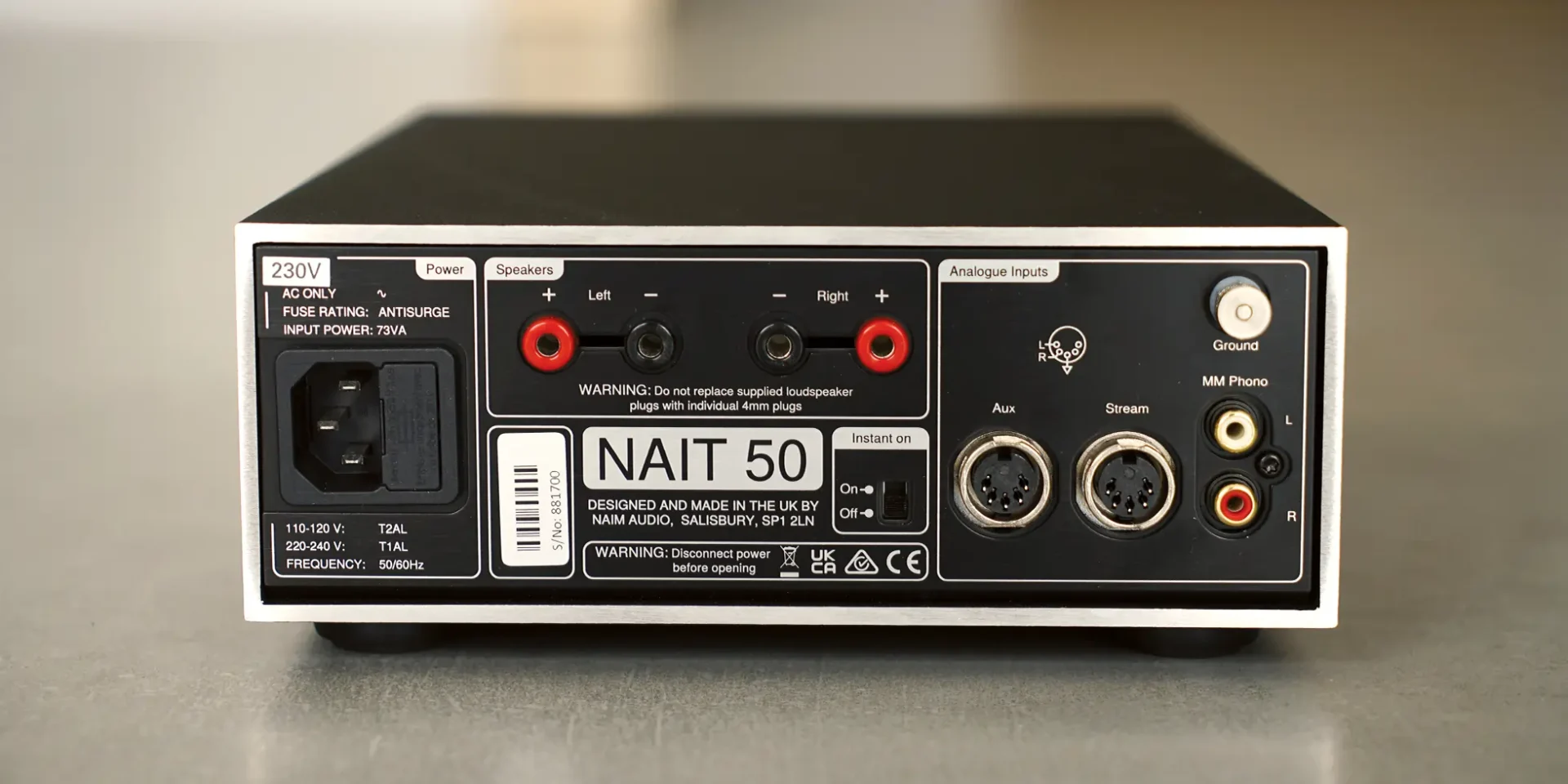
Apart from the screen printing, the rear panel is also identical to the original. The only concession made to comply with CE standards is that the power cord is now detachable, which explains the presence of the IEC socket.
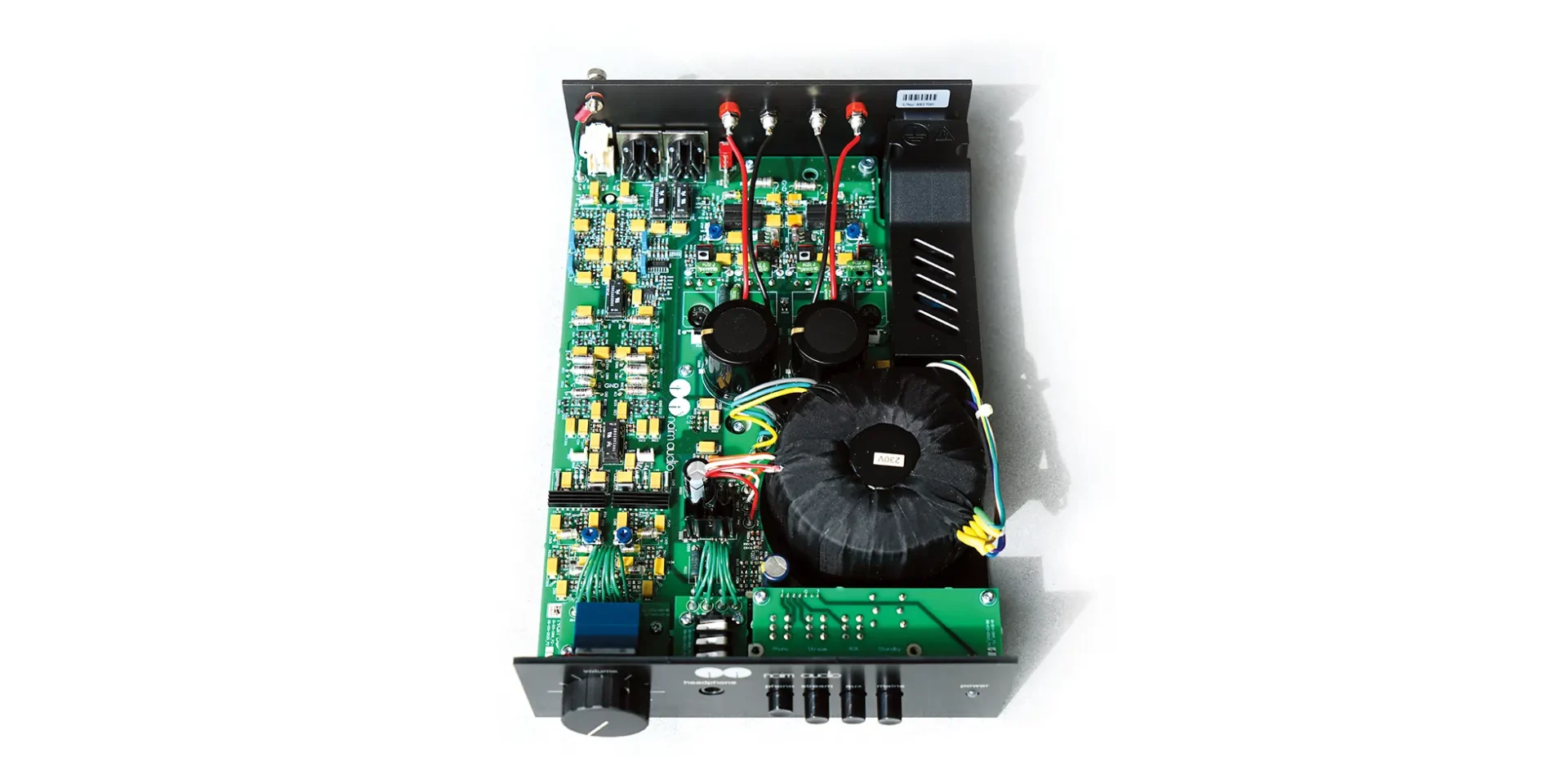
Disassembly is as easy as ever: simply remove the four feet and a large Allen screw that secures the sub-chassis to the outer case. Then, all you have to do is rotate the former out of the latter! Careful observation reveals that the 50 is different on the inside and much more in line with current electronics standards. Nevertheless, the basic structure has a number of similarities.
For example, the size of the toroidal power transformer and the two main capacitors is almost identical. The diagram is that of a class AB amplifier, even though the first Naim amplifiers were genuine class B. The power output has increased from 15 to 25 W.
The power stage itself is quite similar. However, the preamplification section has changed significantly, particularly in terms of the input stages and source selection. This control has been considerably improved compared to the NAIT 1, thanks in particular to precision relays. The same applies to the new MM phono stage, which is built using discrete components.
In the same vein, the British manufacturer has opted for a combination of two internal power supplies. The first, dedicated entirely to the audio stages, uses a large toroidal transformer and two main capacitors. The second is a highly efficient SMPSU switching power supply with a consumption of 0.5 W in standby mode. Naim offers a soft start sequence to minimize the inrush current when powering up and an automatic shutdown after 17 minutes, which can be disabled.
These small additional features explain the presence of an op-amp, which was obviously absent from version 1. In terms of welcome new features, we loved the 5 mm domed white LED.
Side by side, the two chassis show us that the density of the 50 is greater than that of the 1, despite the use of numerous SMDs. But as the available surface area is not expandable, we can well imagine that the design engineers had to work hard to achieve this efficient signal routing. We are pleased to note that the two large filter capacitors have been moved a little further away from the fragile phono stage than in v1.
Ultimately, all this adds up to an extra €3,000, which is not surprising given the high-end manufacturing in the United Kingdom.
THE SETUP OF THE NAIM NAIT 50
On paper, this amplifier only delivers 25W into an 8-ohm load, a figure that rises to 40W into 4 ohms. According to current standards, where any Class D amplifier starts at 100W, this is not much. But we should be wary of the figures, because the subjective power of the NAIT 50 is much greater.
We were able to connect it to a large number of speakers without any major difficulties, even in a large room. We achieved a very good match with the Totem Bison Twin Tower, among others. So there is no risk regarding pairing.
Second observation: the connectors. Only banana plugs are allowed for connecting speakers.
For us, this isn’t a problem, especially since the sockets are high quality. It’s less straightforward for modulation once you’ve solved the RCA phono problem. Because there’s no alternative to DIN here. But you just need to take your pick from the catalog of British manufacturer Chord Co and you’ll be fine.
THE SOUND OF THE NAIM NAIT 50
To say that we were waiting for it with bated breath would be an understatement: the NAIT 50 has been scrutinized with particular attention since its release. Because succeeding an icon is no easy task. Let’s get straight to the point: if you were expecting a replacement for the original NAIT, look elsewhere.
The 50 clearly belongs to its own era, and ultimately that’s a good thing. It makes no attempt to do the same thing as its prestigious predecessor. It sounds like a Naim of today. It is clearer, more transparent, more precise, and can express itself more powerfully. It is less “midrange,” less “warm,” and more incisive in a good way.
It is a contemporary, efficient, and pragmatic machine. The width of the reproduced sound spectrum is greater, particularly with tighter and very well-structured bass. The high register also gains in variety and finesse, while retaining a very beautiful tonal persistence. What has not changed, however, is the magnificent dynamic behavior, which is still as persuasive as ever for such a small box.
Like its predecessor, the 50 easily powers just about any conventional-sized speaker, with a very good sense of drive and swing. The rhythmic tracking is as successful as ever, capable of giving any type of music an energy and spontaneity that the British manufacturer has been highlighting for 50 years now. Recorded music is lively, engaging, and reproduced with a joie de vivre that is as special as ever.
On the other hand, there is a noticeable improvement in the soundstage, which is much deeper and better layered than it was 40 years ago. It must be said that this was not the NAIT 1’s strong point. A special mention goes to the MM phono input, which we really enjoyed. With our Nagaoka MP 150 cartridge, the pairing was truly excellent. There was virtually no background noise and the dynamics were remarkable.
OUR CONCLUSION
We are very happy to have had the opportunity to test this device at length, as we were very excited about its release. Two conclusions stand out. The British manufacturer had the foresight to attempt a modern version of a device whose popularity has never waned. We would like to thank the genius who worked behind the scenes.
It was a risk, but the biggest risk was to do exactly the same thing again, and Naim’s R&D team cleverly avoided that. The NAIT 50 retains the inimitable lines of the original version while substantially improving the circuitry to offer a modern version without betraying the original concept of the device.
As far as we are concerned, the sound is a success, even if it will not appeal to everyone, and probably not to NAIT 1 owners. But that doesn’t matter, because the most important thing, apart from the fact that this device is a success, is that its very existence keeps alive the flame of one of the most unconventional and creative brands on the market for 50 years now. And that’s what really matters!
Author(s): Laurent Thorin
Technical Sheet: Naim NAIT 50
Origin: Great Britain
Price: €2,990
Dimensions: 207 x 87 x 321 mm
Weight: 4.5 kg
Output power
25 W 8 Ω @0.1% THD+N
40 W 4 Ω @0.1% THD+N
60 W 2 Ω @1% THD+N
Headphone output power: 1.5 W 16 Ω
Gain
Phono: +40 dB (@1 kHz RIAA)
Preamplification (and headphones): +16 dB
Power amplifier: +29 dB
Inputs: 1 x RCA pair (47 kΩ), MM phono level 5 mV 2 x five-pin DIN (stereo, 47 kΩ), MM line level Phono 47 kΩ and 100 pF
Is a beautiful, brand-new CD player in 2024 a reasonable purchase? Absolutely. Because although streaming has made enormous progress since its inception, it’s good to vary your pleasures, and using different sources (LP, CD, SACD, streaming, etc.) allows you to alternate between complementary sound experiences. So let’s give a warm welcome to this new player, the Kora CD140, with its truly original pedigree.
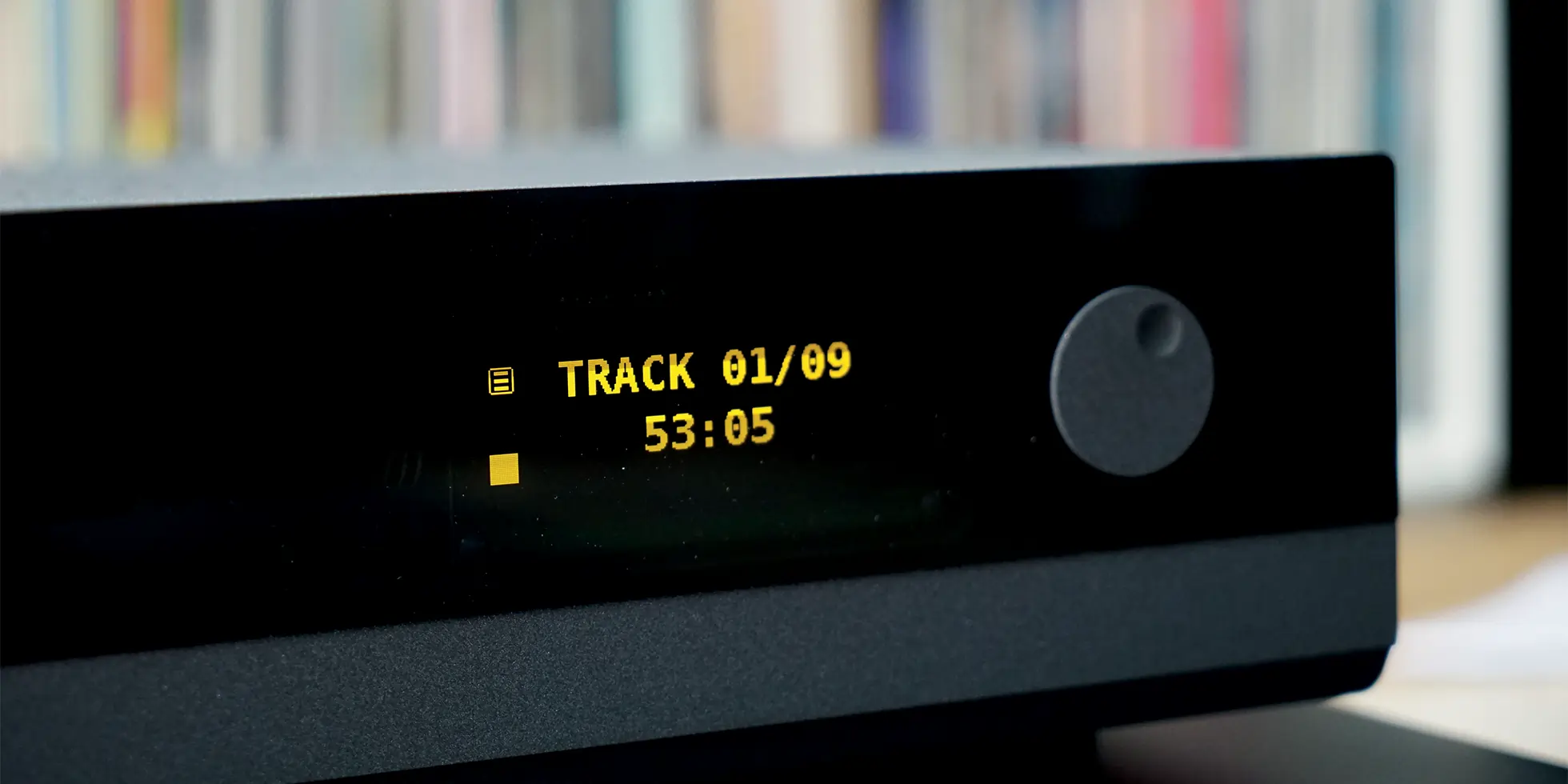
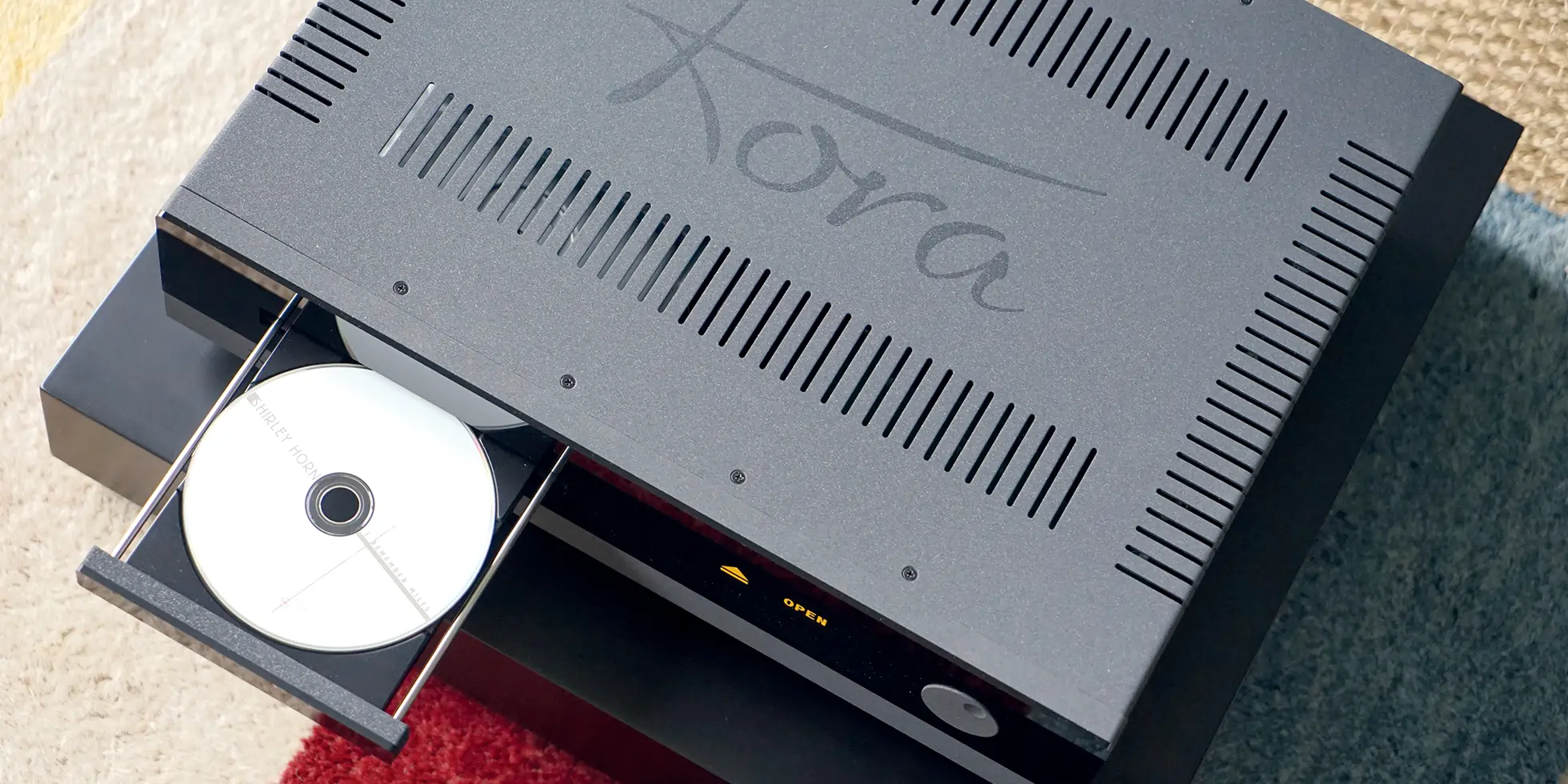
The CD140 uses exactly the same chassis as the TB140 integrated amplifier, made entirely of aluminum plates coated with a matte anthracite glitter paint. The front panel features an acrylic top plate that incorporates the disc loading door, the matrix display, and a flush-mounted knob that provides access to basic functions. All secondary functions are accessible via the remote control.
On paper, the internal structure of the CD140 is fairly simple: a digital section operating at 32-bit/768 kHz combined with a tube analog output. This stage uses the Square Tube operational amplifier, Kora’s proprietary technology, which we have already discussed in previous articles dedicated to the brand. We will therefore not dwell on the subject.
However, we will focus more specifically on the original processing of the digital section. First, the player’s mechanics extract the information contained on the compact disc. The digital signals arrive at the conversion circuit in four “sequences” according to the I²S specifications.
The first line contains the 1s and 0s that make up the musical message, at a resolution of 32 bits per side. The second line specifies whether this musical message is located on the left or right. The third line stipulates when the DAC must acquire this information. The bits are presented to it, then it is given the “go” signal to decode.
When the DAC has ingested 64 bits (32 on the left and 32 on the right), it starts the conversion and presents the two portions G and D of the output signal. Successive small steps make the signal resemble microscopic stair steps: one small step at each stage of the conversion, originally 44,100 per second, and now 705,600. The fourth line generates a multiple of the input frequency of the signal bits; this frequency is used solely to specify the various movements that the digital part of the DAC must perform.
For everything to work optimally, the different flows must be perfectly synchronized. But according to the manufacturer’s research, when it comes to clock performance, the most important thing is not its operating frequency (quartz is accurate to one millionth of a second), nor its regularity, because quartz is unbeatable in this respect too.
According to Kora, using hyper-precise atomic clocks to drive the DAC does not necessarily guarantee perfect synchronization with the disc playback. There is a risk of what is known as a beat occurring: at a given moment, one of the two will be too far ahead (or behind) to keep the CD signals supplied at the rhythm of the mechanical clock and the DAC circuit control aligned. In this case, information is skipped. To avoid this problem, Kora has developed a small circuit that recreates all the necessary frequencies, but synchronized with the clock of the mechanism. QED!
For the rest, the design is classic. The CD signals are reformatted to be clear, here in 16-bit and 44.1 kHz. They are processed by an AKM circuit that constructs intermediate points, which smooths the output signal. Generating these intermediate points requires a higher conversion speed, which is why the CD140 goes from 44.1 kHz to 705.6 kHz. And since we are dealing with intermediate values, we need to increase the resolution and detail. In our case, this involves upsampling from 16 bits to 32 bits.
These faster (705.6 kHz) and finer (32-bit) signals are presented to the DAC. The latter is quadruple and outputs symmetrical signals, which removes any remaining non-linearity. This is where the Square Tube comes in. It also eliminates small “stair steps” so that only the musical signal is output.
THE SETUP OF THE KORA CD140
This player is undoubtedly a product with character, and you only need to look at it closely to be convinced.
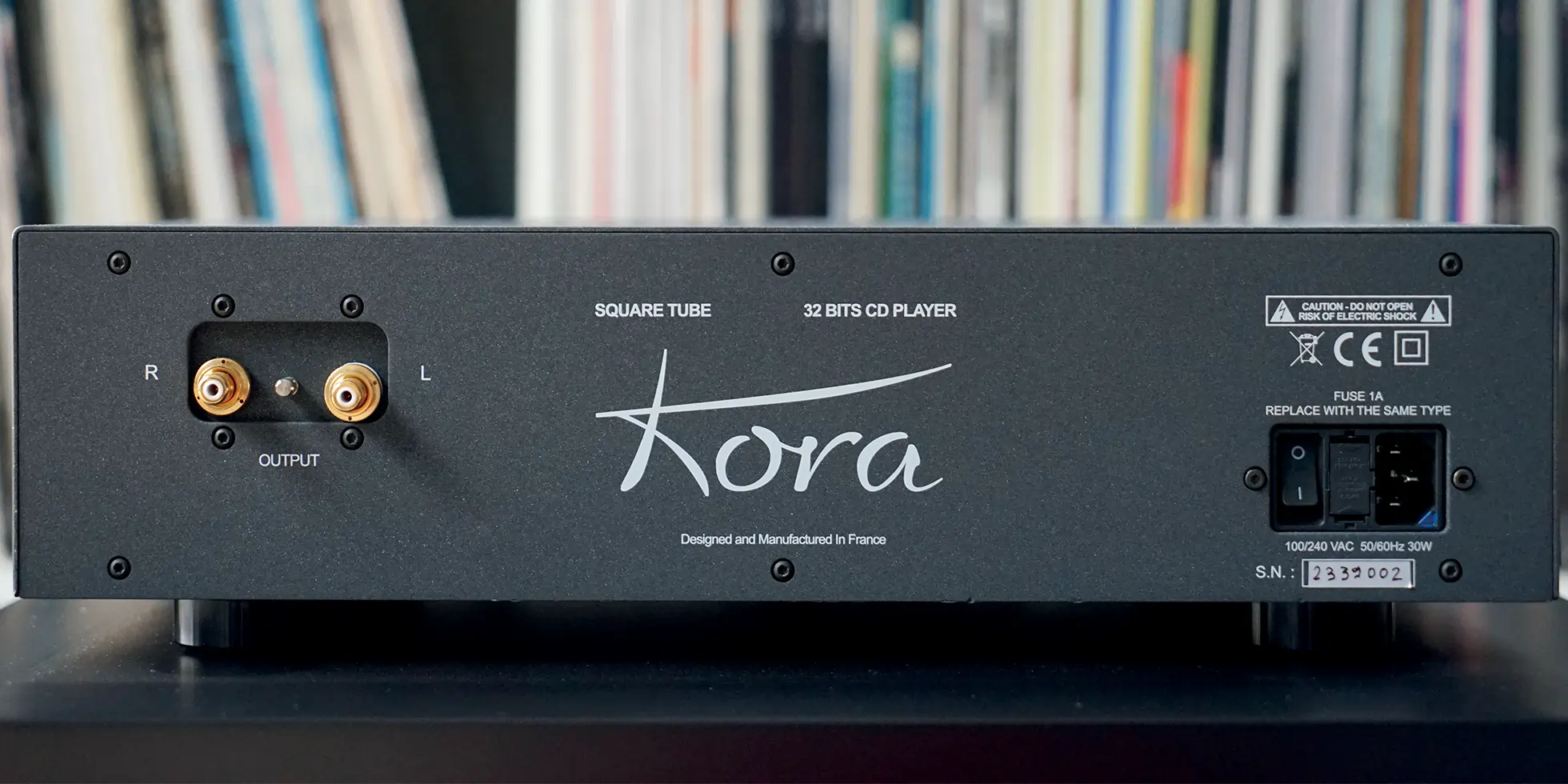
Firstly, it is made of a light alloy chassis, which makes it easy to transport. However, it will be at home on a stable and rigid support. In terms of connectivity, you are not given any choice, except for quality, with two beautiful gold-plated copper RCA sockets, capable of accepting any size of unbalanced modulation cable.
The same goes for the IEC standard power cable. Be careful with the phase, however, as the difference between the two positions is very noticeable. The front panel is reduced to the bare minimum, but the remote control allows you to navigate the device’s extensive menu in depth. A word of advice: never turn it off so that it always remains at the right temperature.
THE SOUND OF THE KORA CD140
Network listening is a bit of a lazy solution. Especially since there have been significant advances in sound quality in recent years. Why complicate your life when all you need is a tablet to access all the music in the world? But just because we’ve changed our habits doesn’t mean we have to deny our heritage. And often, that beautiful CD collection that shouldn’t be gathering dust reminds us that there are other ways to enjoy music in excellent conditions, which fully justify the existence of the Kora CD140 player.
The Toulouse-based manufacturer has strong convictions, and we like that. The CD140 doesn’t beat around the bush and delivers music with astonishing persuasive power. When you haven’t listened to a compact disc in a long time, you are sometimes surprised by the materialized aspect of the sound reproduction. The sound is dense, characterized by an anchoring that makes it palpable and obvious.
The bass lines are fleshy and nervous. There is flesh around the bone and air around the notes. With this unique player, it’s all about substance and airiness. Substance, as you will have understood, because the message is rich enough to give the listening experience a special presence. An artist singing, a musician playing, present themselves to you with all their specificity, with what shapes their intimate personality. And the Kora CD140 is very good at making us feel these differences. Even subtle ones are immediately noticeable.
Then there’s airiness, because the way it draws the soundstage is inimitable. This makes it a fantastic partner for the T&T Nel Extreme Evo: their ability to “disembody” the image is remarkable in every way. Depending on the message, whether intimate or grandiose, the CD140 sticks to the wishes of the person behind the console by injecting the right amount of reverb or distance into your amplifier. Recordings never sound the same.
The CD140 does not smooth out the message. Each time, a new universe opens up to your ears. And then there is that calm, that serene silence that makes the sound atmosphere and the musical experience absolutely unique. The CD player is an interesting medium in this respect, as it is not at all subject to the pollution that Ethernet connections are the main source of.
OUR CONCLUSION
The rapid and hegemonic emergence of network playback has caused us to thoroughly reconsider our relationship with recorded music. And while the term “consumption” may seem inappropriate when referring to a cultural medium, it is nevertheless appropriate to describe streaming, which is now omnipresent and omnipotent.
On the contrary, the compact disc, now 40 years old, is a mature medium that combines several advantages. First of all, people my age know this well (laughs), over the years we have built up beautiful CD collections that it would be a shame to consign to oblivion.
Secondly, CD prices have never been so low, and believe me, there are some great deals to be had. Finally, your CD player will still work even when your streaming device is down. Just like your turntable, for that matter. For all these reasons, considering the purchase of a good CD player is by no means heresy.
In this context, the Kora CD140 comes at just the right time to pique your curiosity and desire! Like its siblings, it is a machine that has been long and thoroughly developed, not by some random assembler, but the result of in-depth and relevant teamwork. It is an original machine that asserts its stance with vigor and talent, and I urge you to listen to it to gauge the amount of information contained in your precious iridescent discs.
Never short of good ideas for improving the quality of its products, French manufacturer Hi-Fi Câbles & Cie has equipped its JCT Supply One power cord with new plugs. The result: even better! That’s definitely worth a little article…
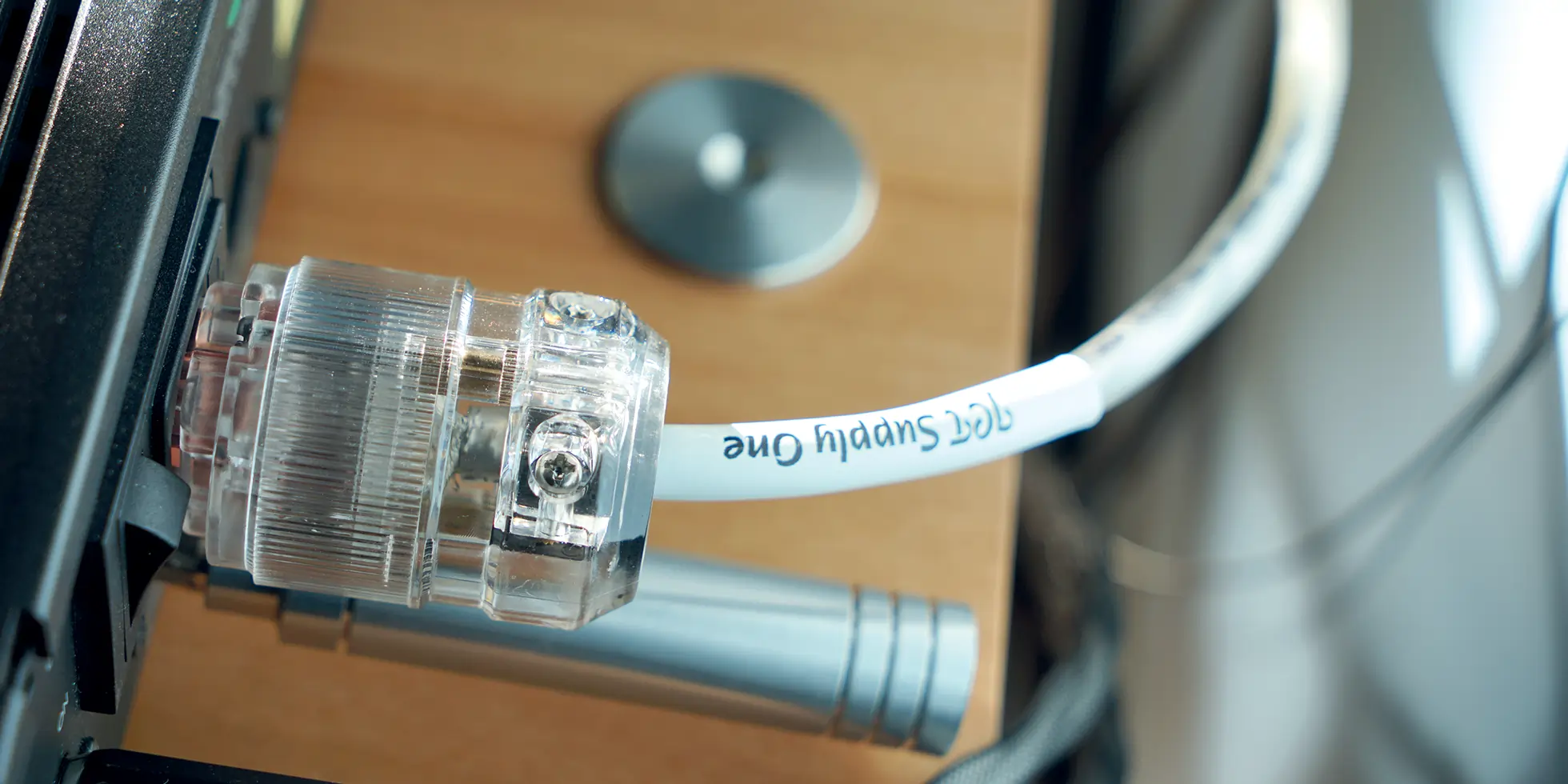
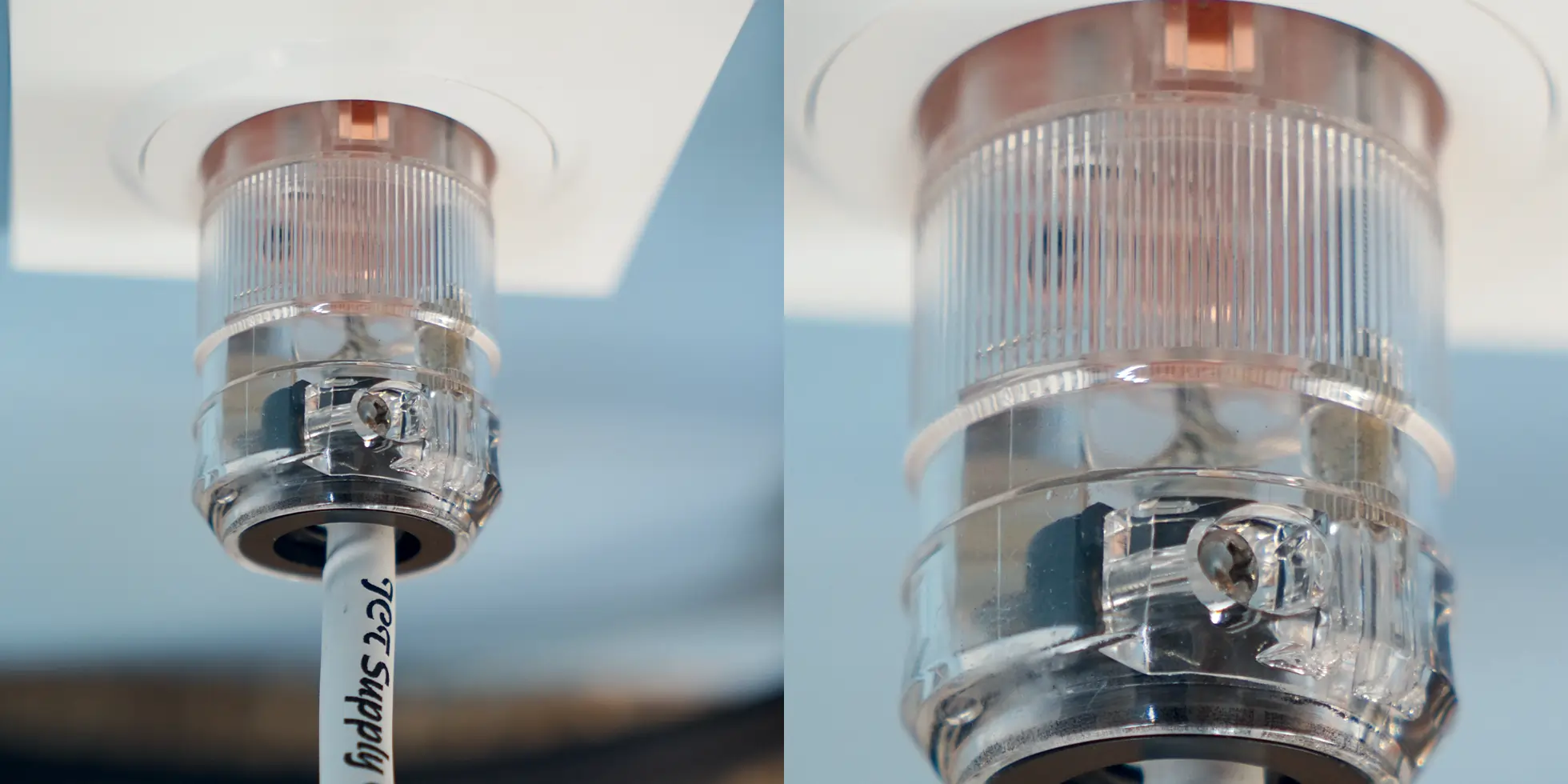
The JCT Supply One is the best power cable in Jean-Claude Tornior’s range. It is his signature model. Released just a few years ago, it was previously equipped with relatively basic white polypropylene plugs, which were effective but not particularly attractive compared to the XXL models used by most of the competition.
Open to improvements and developments, the manufacturer set out to find a model that would meet its specifications. It found it in Asia at a renowned equipment manufacturer. The conductors are made of pure copper for very high conductivity, but are not plated. To prevent oxidation, the manufacturer covers them with a kind of colorless coating that prevents the passage of air but also of current.
However, when the male plug is firmly inserted into the wall socket, or into a female socket on a power strip, the forceful contact allows the current to pass. It is this mechanical action that allows electrical coupling, as the coating shifts due to strong friction and then closes around the contact. The insulation is made of nylon and fiberglass, which are robust, lightweight, and, above all, very neutral from an electromagnetic point of view.
The JCT Supply One uses aperiodic conductors developed by Hi-Fi Câbles & Cie. It is also constructed according to distributed linear capacity geometry, another innovation from the brand. Of course, it benefits from a full mu-metal shield. Finally, like its little brothers, the JCT Supply One uses a ground conductor that also acts as shielding. It is configured in a figure-8 shape to surround the two active poles and thus generate a distributed capacitance that creates a soft filter whose capacitive values do not resonate with the primaries of the power transformers.
THE SOUND OF THE JCT SUPPLY ONE
According to Hi-Fi Câbles & Cie, the JCT Supply One is the most transparent power cable in the range. In all honesty, we were convinced of this, but the contribution of the new plugs was decisive. In this latest version, the level of transparency has really been taken up a notch. You can undeniably hear more detail and nuance.
What is striking is that the soundstage is much easier to perceive, with infinitely better defined backgrounds that now provide a remarkable sense of depth, airiness, and three-dimensional space. And the very good news is that this increased precision never comes at the expense of smoothness, which remains quite remarkable for such a bright cable.
We can therefore enjoy the combination of two complementary and highly successful sound characteristics: on the one hand, dynamic performance that is as realistic as ever, with clear and precise attacks, and on the other hand, timbres and nuances of great purity.
OUR CONCLUSION
We have always been fervent advocates of this French brand, but frankly, at €335 for a 1 m length, this cable is simply a must-have. It works on all types of devices, but we found that it offered truly astonishing performance on digital sources, a position it is not about to relinquish in our home!
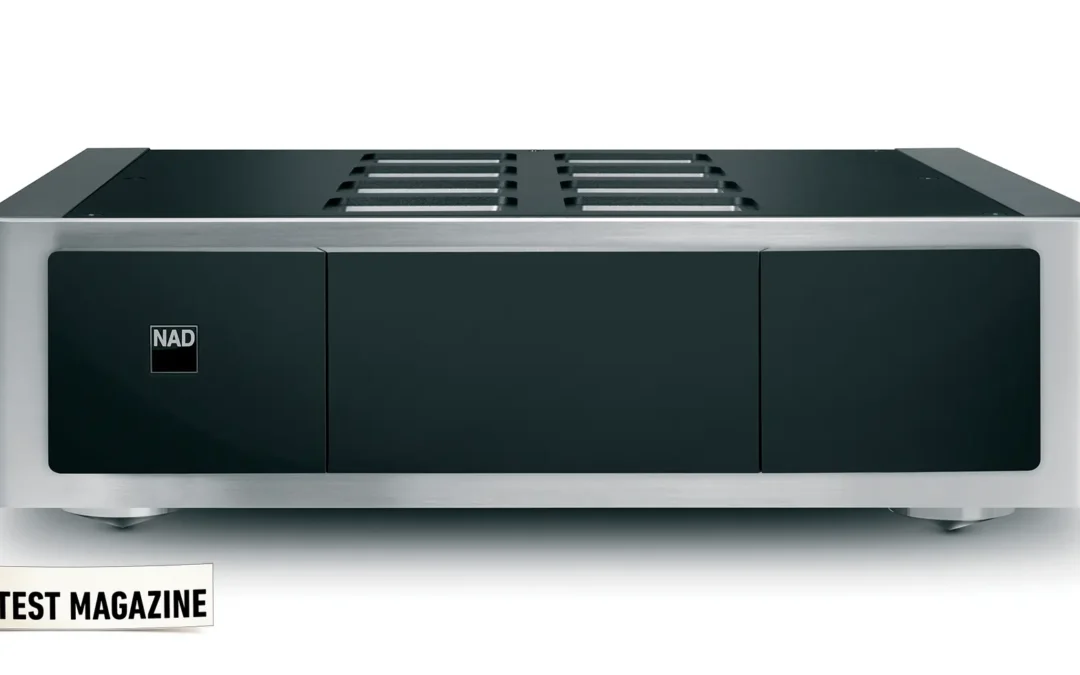
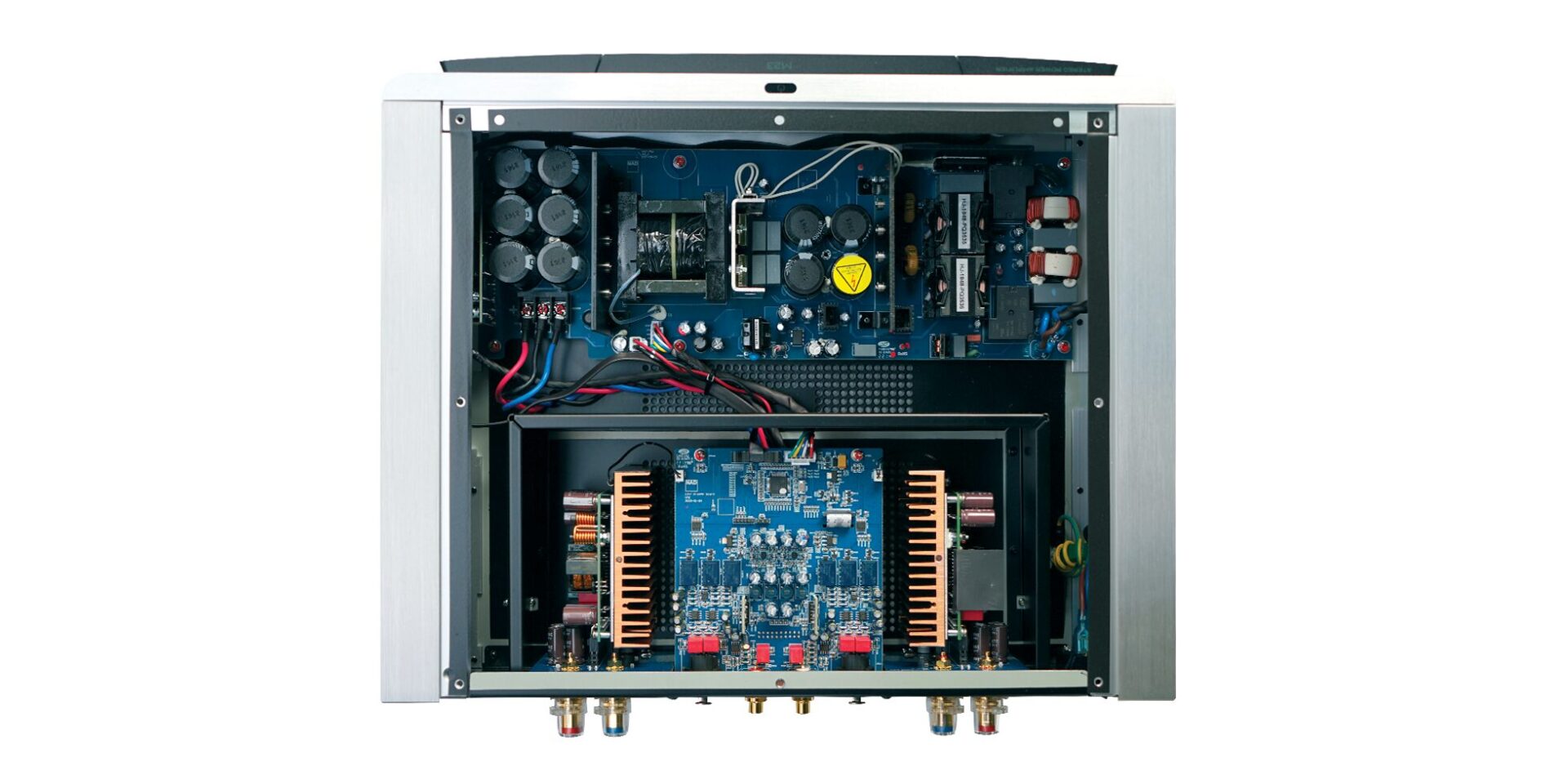
With the NAD M23, the brand offers an amplifier with prodigious power in a compact package with an attractive design. To achieve such performance, the Canadian manufacturer opted several months ago to use the new Eigentakt circuits developed by Purifi Audio.
Class D digital amplification has long suffered from a reputation for overly bright sound reproduction. However, its ability to handle the highest power levels with excellent efficiency remains one of its major strengths. This unique feature allows it to drive even the most difficult speakers with an iron fist. NAD, for its part, found that the perceived aggressiveness of digital sound was mainly due to residual harmonic distortion, intermodulation, and even residual noise. To completely eliminate these undesirable effects, NAD equipped the M23 with Purifi modules.
This third generation of digital amplification virtually eliminates harmonic and intermodulation distortion. It also guarantees a particularly low level of background noise, rendering it inaudible. The micro-details contained in the sound message can thus be fully expressed without being drowned out by an acoustic haze that renders them undetectable.
A Class D Eigentakt configuration design
To illustrate this point, the M23’s power stages operate in Class D and therefore in an Eigentakt configuration. They are very generously sized. Capable of delivering more than 200 W per channel into 8 ohms, they offer exceptional performance, particularly in terms of frequency response.
It is perfectly linear across the entire audible spectrum with a maximum deviation of less than ±0.3 dB between 20 Hz and 20,000 Hz, even when driving “demanding” speakers. This linearity is also linked to the M23’s very low output impedance. This gives it a damping factor of over 800, which allows it to effectively tame the most rebellious configurations in all circumstances.
An ultra-responsive switching power supply
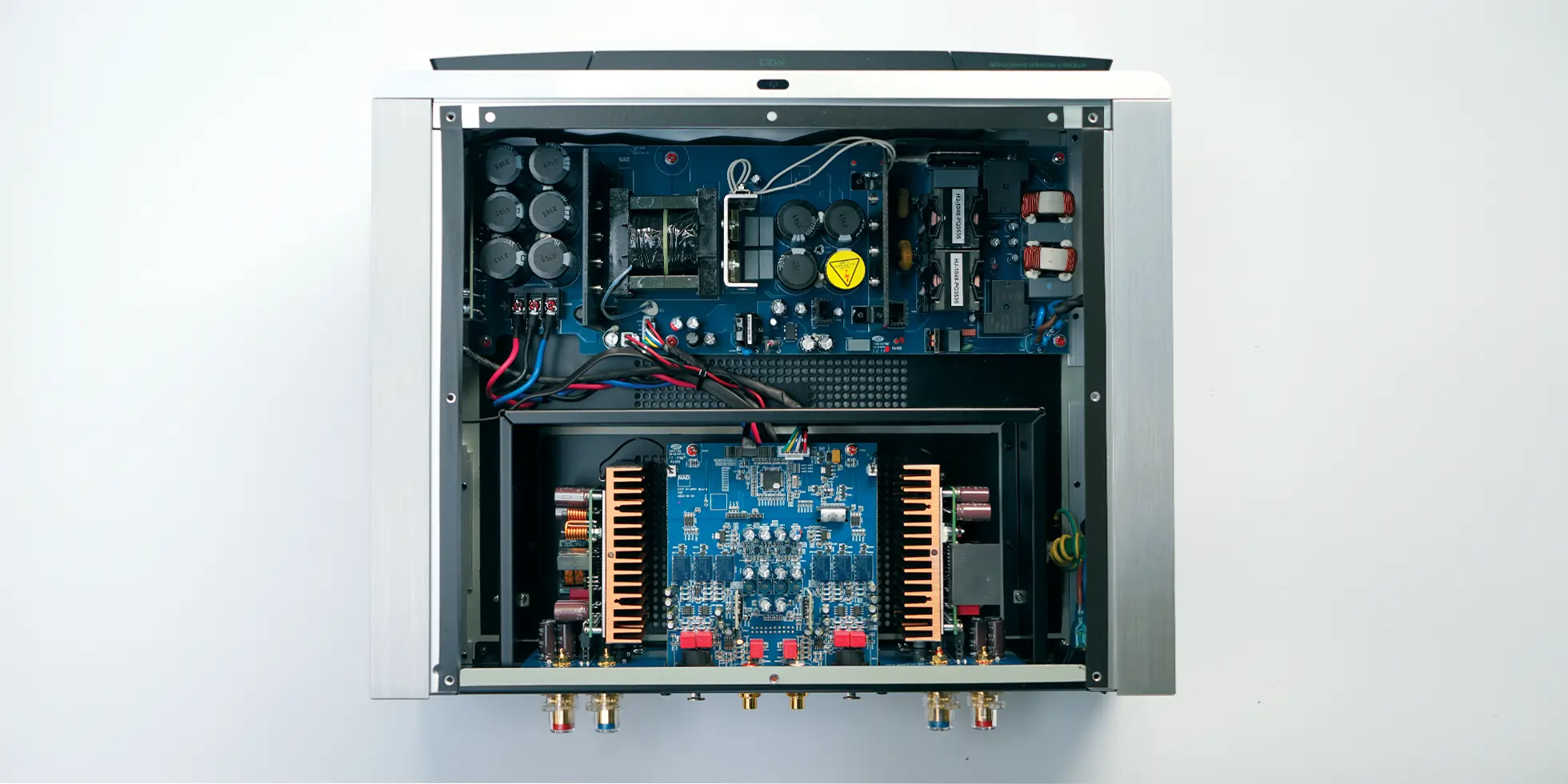
However, the power supply also affects the behavior of an amplifier and can even be its Achilles heel. Manufacturers often prefer to opt for traditional power supply circuits with proven technology, based on a heavy transformer combined with very high-capacity capacitors. Here too, NAD dares to innovate by equipping the M23 with a switching power supply.
In addition to being much less expensive—and, above all, much lighter—than conventional power supplies, it is highly responsive to current demands and allows the M23 to remain stable in all circumstances and deliver extremely low distortion while ensuring excellent damping factor. These are three conditions that many power amplifiers struggle to meet simultaneously.
A powerhouse in bridge mode
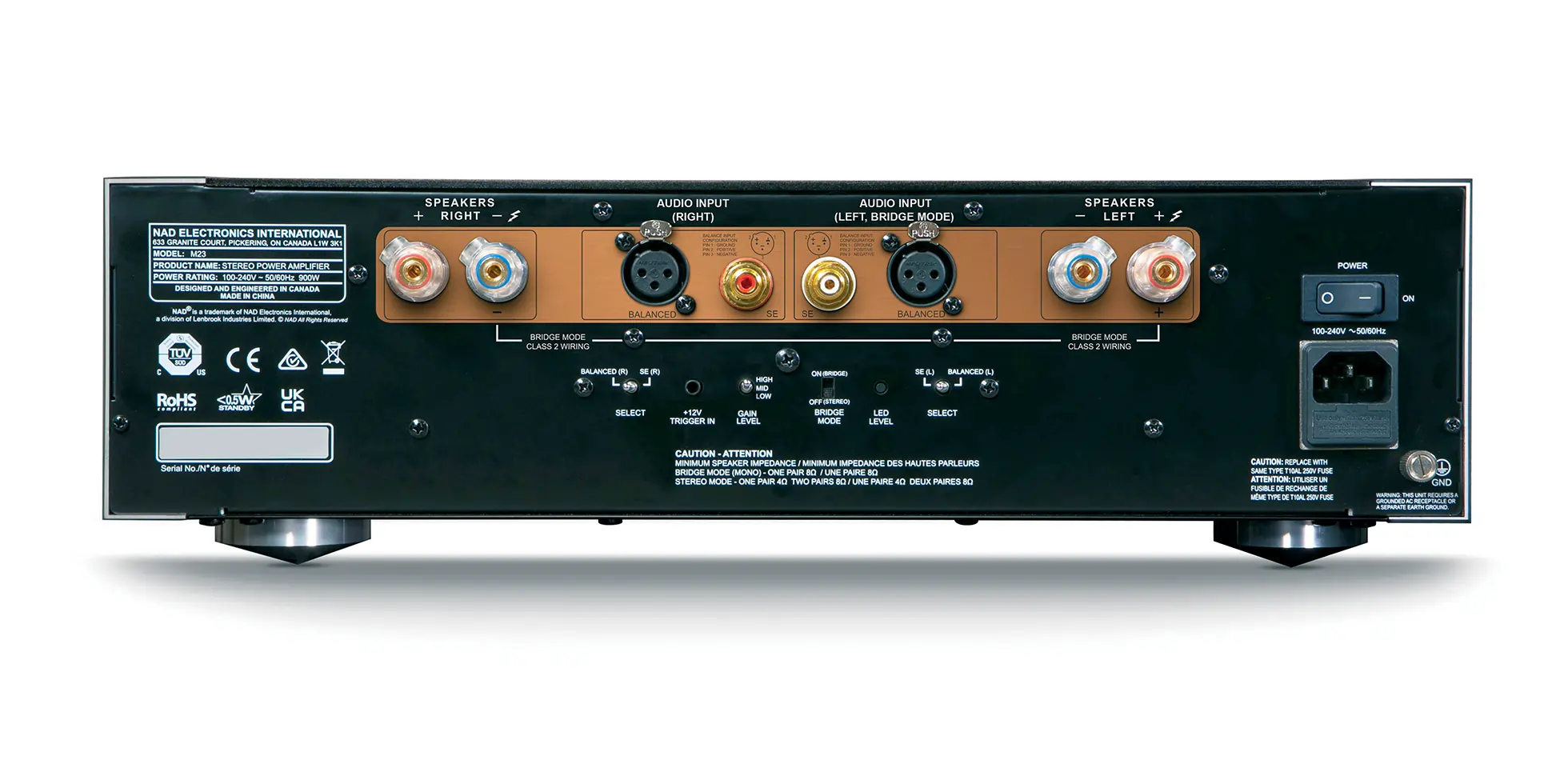
Finally, the M23 is designed to fit into the most prestigious installations. To this end, its connectors feature XLR sockets on its inputs. However, it remains compatible with more modest environments thanks to the presence of unbalanced inputs on RCA sockets. Finally, a set of mini-switches allows you to adjust its gain or even operate it in bridge mode. It then transforms into a monstrous mono power block capable of delivering 700 W continuously under 8 ohms.
THE SOUND OF THE NAD M23
The M23 is equipped with tapered feet that can be used as is or with the concave cups provided to prevent damage to the surface on which you place it. It is a stereo power amplifier that can be bridged to mono. It can therefore be used in a wide range of different configurations. But unless you have particularly power-hungry speakers, a single stereo amplifier is more than enough in most cases. Be careful with the mains phase; it is very sensitive to it.
THE SETUP OF THE NAD M23
We have been using a power amplifier equipped with Purifi’s Eigentakt circuit for several months now, so we were not surprised when we discovered the sound of the M23. This circuit is the third generation of Bruno Putzeys’ work on class D, after the UcD circuit at Philips and the Ncore at Hypex. What strikes you most from the very first notes is the silence of its operation and the clarity of the sound. We could challenge many audiophiles, in a blind listening test, to determine the class of this amplifier.
Everything that could fuel controversy about Class D seems to have disappeared here. There is not the slightest trace of harshness; the sound is consistently astonishingly smooth. The timbres are particularly natural, neither warm nor cold, but just right. You only need to listen to most acoustic instruments or voices to understand that the M23 does not cheat.
The dynamic response is particularly effective. The difference between the softest and loudest sounds is bridged extremely quickly. This particularly effective responsiveness also contributes to the great smoothness of the M23’s sound reproduction. The absence of confusion or approximation guarantees flawless melodic tracking. The rhythm never falters; on the contrary, it is maintained with excellent control even at sound levels that would be considered excessive.
One of the M23’s greatest virtues is its ability to reproduce the sound stage with a high degree of accuracy. Each new musical track corresponds to a very specific sound environment, with precise coordinates, adequate volume, and perfect gradation of sound planes. When listening, you can really perceive the atmosphere of the recording location, its structure, and its personality.
At the very limit, if we had to make a criticism, and even then it would be no more than a remark, we could say that the M23, like all Purifi-based amplifiers, is unconditionally neutral. And since, when it comes to amplification, we have always been surrounded by, and even seduced by, a certain amount of coloration, we may be a little disoriented when listening to a device that remains astonishingly straightforward. This inevitably makes us reflect on our relationship with neutrality.
OUR CONCLUSION
If you are looking for a virtually limitless power amplifier capable of offering you the maximum possible neutrality at this price point, look no further, you have found it! Not only is the M23 very well made, offering unprecedented power for its price and a range of adaptability to suit a wide variety of configurations, it is also built by one of the leading names in contemporary audio, giving it a kind of imprescriptible guarantee.
More generally, we have seen considerable progress in Class D amplifiers over the last ten years. Considering that the best of them now offer sound performance roughly equivalent to their Class A and A/B counterparts, while consuming infinitely less electricity, the hierarchy is bound to change. But as in hi-fi, more than in many other disciplines, it’s all a matter of taste, so it’s essential to listen carefully before making your decision.
After the divine Kore and the excellent Epikore, here comes the Rubikore, whose Model Dali Rubikore 2 is the smallest iteration. We listened to it a lot, enjoyed it, and we’ll explain why.
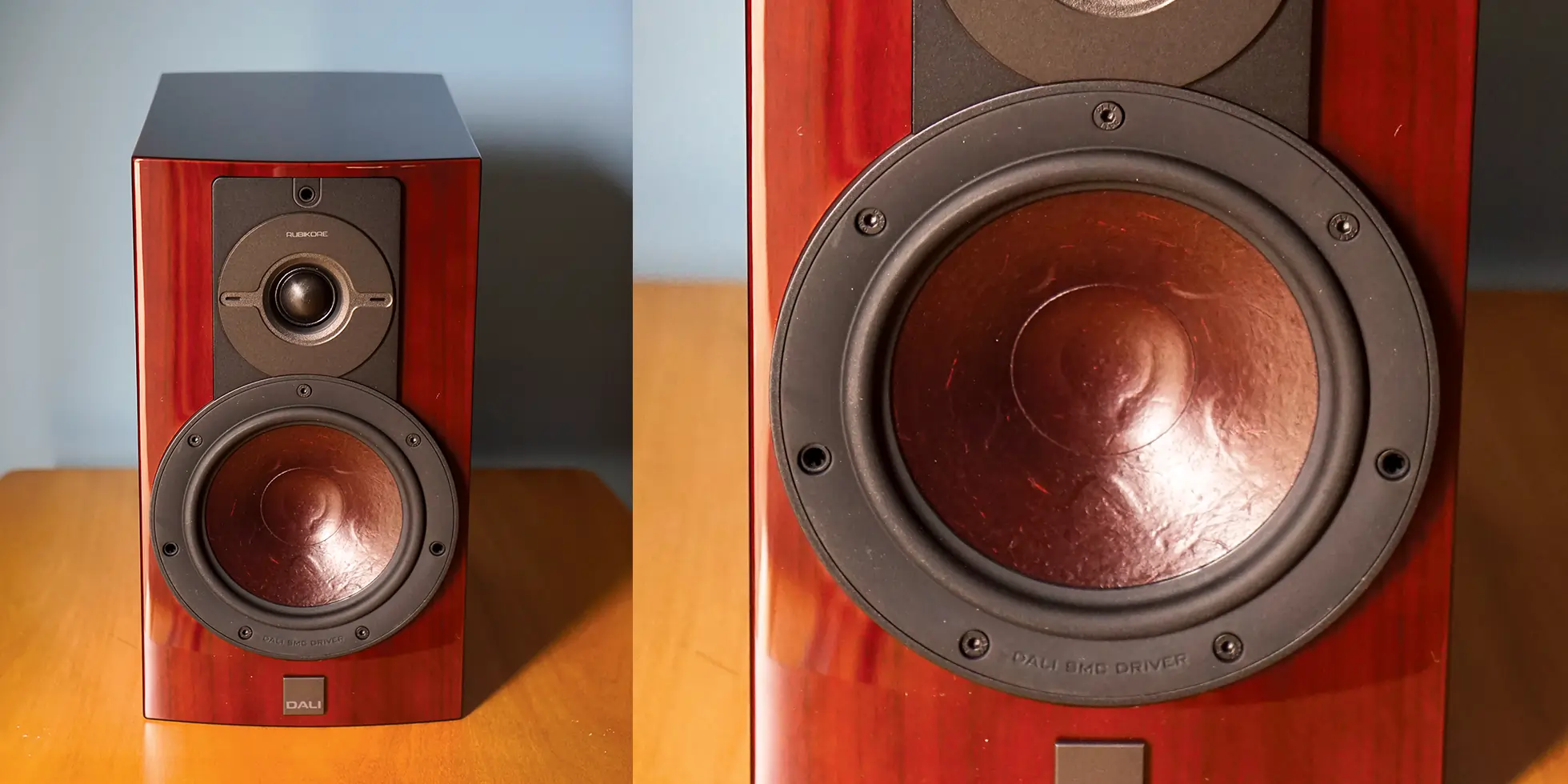
Since the release of the excellent Kore speakers reviewed in our columns (see VUmètre No. 48; Remarkable), Dali has been expanding its range and applying its technological expertise to more affordable models. The new Rubikore series logically incorporates several cutting-edge technologies, such as the new SMC Clarity Cone Technology speakers, SMC-KORE inductors, hybrid tweeters equipped with a brand new low-loss soft dome tweeter, and continuously flared decompression vents. These innovations, the result of many years of experience, ensure that the new range offers cutting-edge performance and identical sound quality across the entire range.
According to its designer, the Rubikore 2 aims to bring Kore-inspired technologies to a compact speaker designed to be installed on a stand or in a cabinet. Designed to deliver high-end sound reproduction in small rooms, Rubikore 2 combines the new 6½” Clarity Cone SMC driver with an all-new ultra-lightweight dome tweeter.
Clarity Cone Technology membranes ensure natural reproduction without any coloration. Complemented by SMC motors, these drivers deliver minimal distortion and optimal performance. The crossover circuit features high-performance Mundorf capacitors.
Inspired by the EVO-K hybrid tweeter in the Kore series, the entire Rubikore range uses a new low-loss soft dome tweeter with no ferrofluid between the magnets to eliminate any harshness in the high frequencies.
According to Dali, the new range pushes the boundaries of full-range speakers in this price segment by combining masterful technologies: Clarity Cone paper and wood fiber transducers combined with powerful SMC motors, which together deliver high-flying musical performance.
But for the Danes, design is just as important, and Rubikore reflects the national tradition of carpentry and cabinetmaking. Beyond their elegant aesthetics, the cabinets are heavily reinforced to provide an extremely rigid and inert support for the speakers. Each speaker is handcrafted and assembled by the finest craftsmen working at Dali in Denmark. Proudly Danish in its assembly, Rubikore benefits from the wealth of local component suppliers, further reinforcing its deep local heritage.
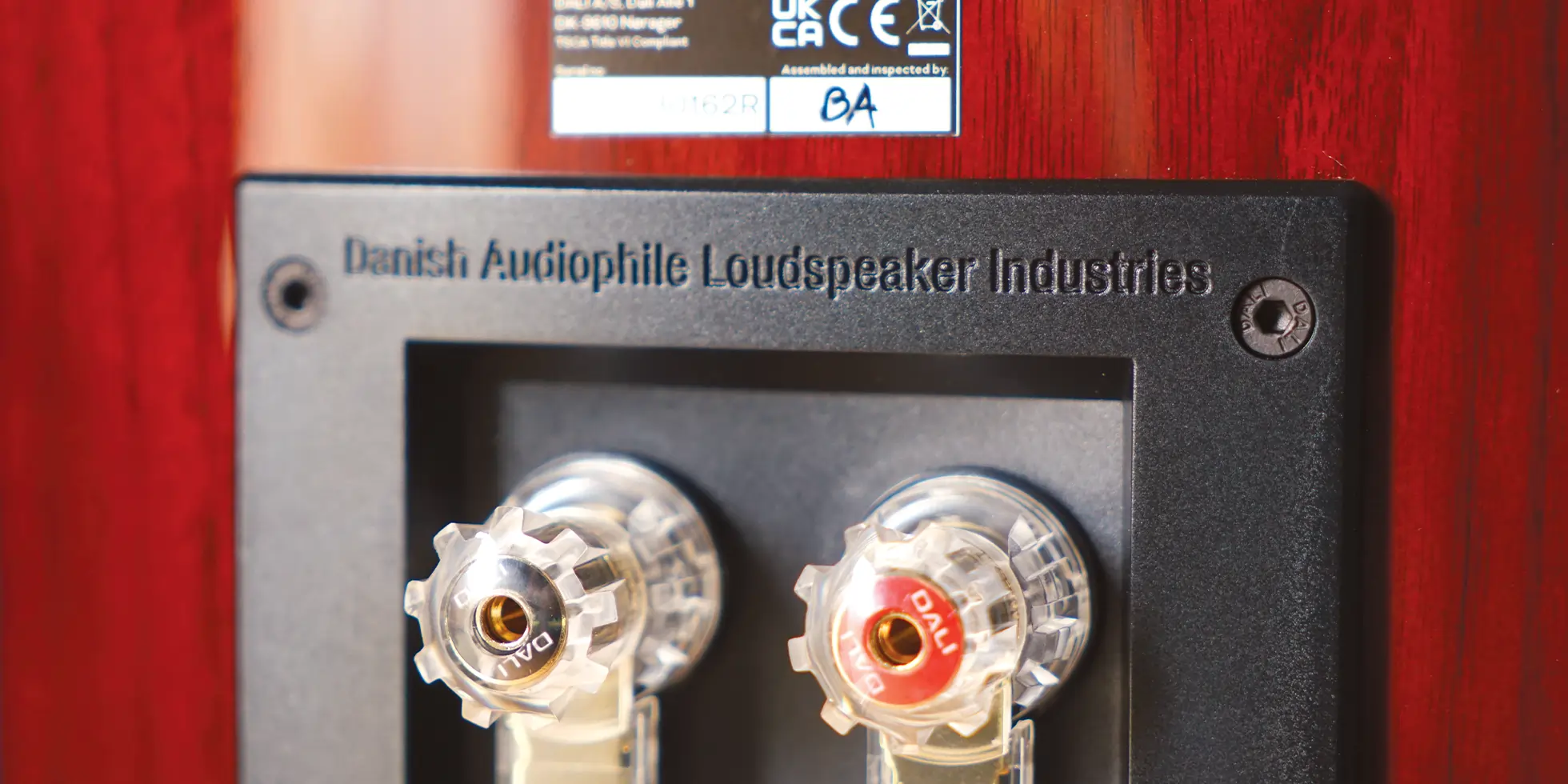
On the rear panel sits the all-new continuous flare vent to maximize efficiency while reducing turbulence and noise. Just below, four magnificent proprietary terminals allow the use of banana plugs, spades, or bare wires. The tightening torque is excellent. High-quality jumpers are provided by the manufacturer.
THE SETUP OF THE DALI RUBIKORE 2
When setting up these speakers, two precautions are necessary. The first is obviously to select stands that are worthy of them. For this test, we used our old but still excellent Partington Ultima stands. The combination proved to be excellent. As the decompression vent is located on the rear of the speaker, it is important to calculate the distance from the rear wall carefully, depending on the volume of the room and the construction of the partition (plasterboard, stone, wood, etc.). Secondly, we strongly recommend that you bi-wire the Rubikore 2.
THE SOUND OF THE DALI RUBIKORE 2
We are very fond of this Danish manufacturer’s speakers, and we were not in the least disappointed by its latest creations. From the moment you start listening, it’s important to remember that this is a pair of monitors, as the result could almost lead you to believe that they are floorstanding speakers, such is the convincing response at the lower end of the spectrum. The bass is lively, fast, enveloping, and precise enough to give the music a solid foundation and the conviction of a comprehensive listening experience across the entire spectrum. There is very little missing to make the illusion perfect. It is only with very bass-heavy music that you can tell that this is just a compact two-way system.
On the other hand, this status ensures magnificent acoustic phase alignment, guaranteeing a careful and realistic perspective of the soundscape.
The panorama unfolds with great precision along all three axes. As a result, the sound image gives the impression of a homogeneous reproduction. Whatever the type of music, the Dali Rubikore 2s are confident and express themselves at very high or very low levels, without the slightest hesitation or tendency to lose their beautiful overall coherence. We were extremely impressed by the Kore, the brand’s flagship model, and we must admit that we found the same ease of listening with the Rubikore 2, the same ability to present all types of music with equal fluidity.
OUR CONCLUSION
In a wide range from a generalist manufacturer, the high-quality two-way monitor is a safe bet, especially for music lovers who install their system in a smaller space. In this context, this type of speaker can work wonders. As part of a beautiful, well-optimized system, the Rubikore 2 will deliver high-class musical performance combining thrills and beautiful sensitivity. We are pleased to see that Dali has successfully applied the technological developments highlighted in the creation of its very high-end models. The Rubikore 2 is proof that you can purchase a high-class product with great potential without breaking the bank.