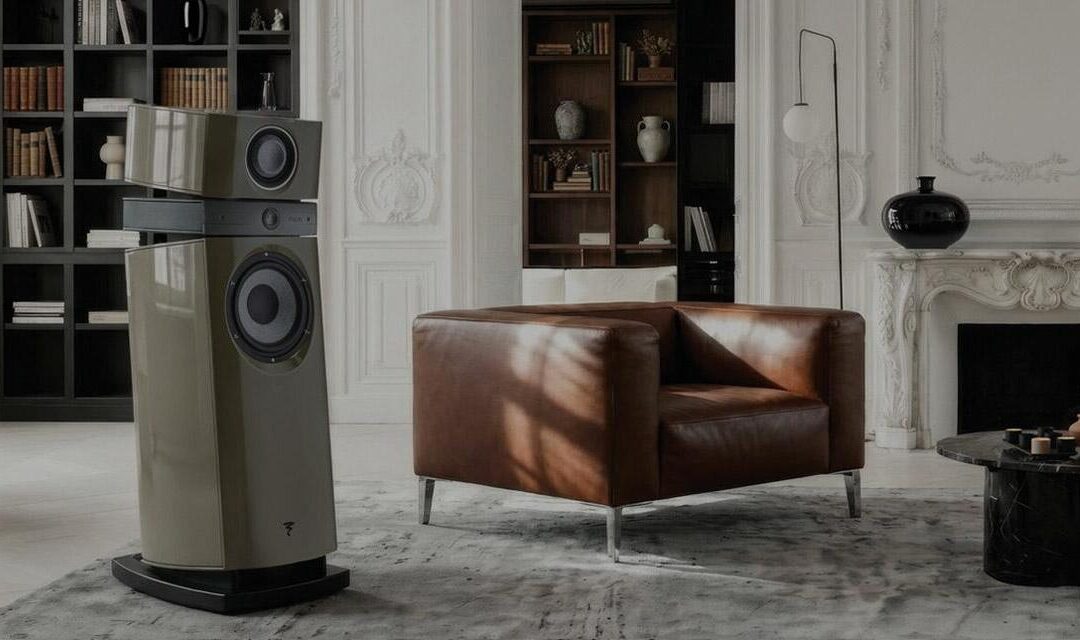
The change isn’t major, but it reassures us that, following continuous development of the new Diva Utopia connected line—recently expanded to include a third model, the Alta—the French manufacturer is still committed to its passive models.
On paper, almost nothing has changed for this new Scala Utopia Evo M, the entry-level model and—for now—the only one in the Utopia lineup to be updated, although we expect the three higher-end speakers to follow suit.
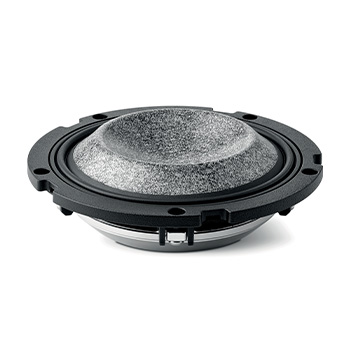
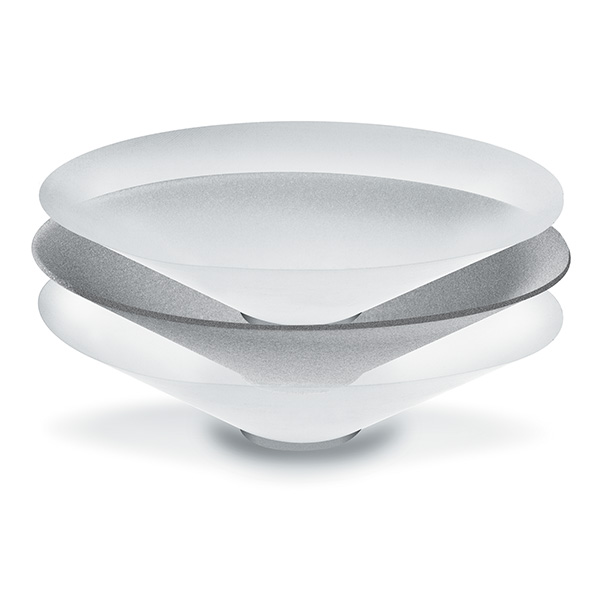
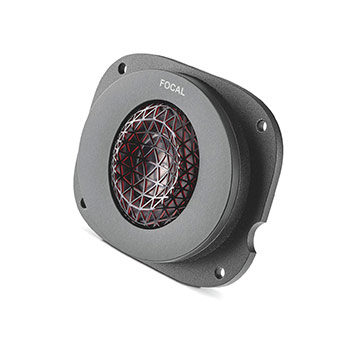
The weight therefore remains at 85 kilograms per unit, with dimensions of 124.7 by 39.3 by 67 cm. And this bass-reflex floorstanding speaker retains the 27 cm (10.6”) woofer with the proprietary “W” cone, though here it features a dual 16 cm (6.3”) ferrite magnet. But upon closer inspection, we see that not only is the fiberglass “W” midrange reinforced with a 13-cm (5.1’’) “M” profile, but also—and perhaps most significantly—the tweeter no longer features the beryllium that Focal has cherished since 2000.
Thanks to its new PRISM (Photon Refined Intelligent Structured Membrane) construction, this multilayered, microstructured diaphragm is said to be both even stiffer and lighter. The rationale behind its design likely also stems from the fact that, in some countries, beryllium was considered a hazardous material—even though its use in hi-fi diaphragms protected by a grille posed no such risk.
Despite its two new diaphragms, the Scala Utopia III Evo M retains both its already very wide frequency response (27 Hz – 40 kHz) and its sensitivity of 92 dB. However, its nominal impedance has been reduced from 8 to 6 Ω. The color options have changed slightly, from six to five, as chocolate brown, white, and gray have been replaced by “Off White” and “Warm Taupe” finishes. And one last piece of good news: the price remains unchanged, keeping these speakers at 40 000 € per pair.
First launched in 2012 and subsequently expanded into several models of varying quality, AudioQuest’s DragonFly portable DAC has since sold more than 300,000 units.
Today, the lineup is being streamlined to a single flying dragon, superior to all its predecessors, still featuring a minimum-phase, low-slope filter based on a 32-bit Sabre chip. Its Microchip microprocessor further reduces power consumption by 25%, which was already cut by a third on the Cobalt compared to the previous generation. What’s more, it claims to deliver twice as much power as previous versions!
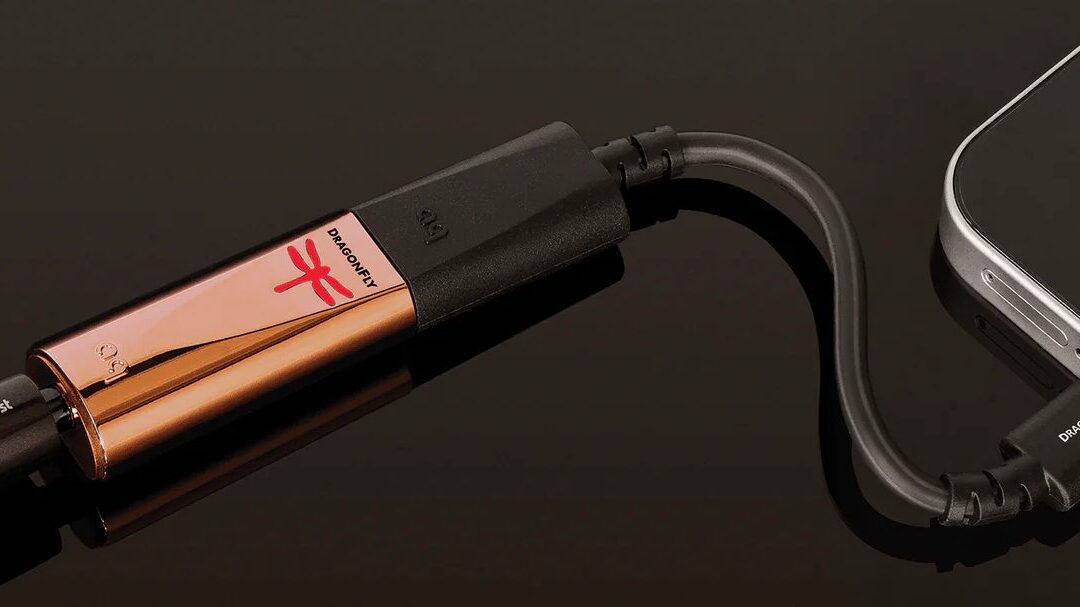
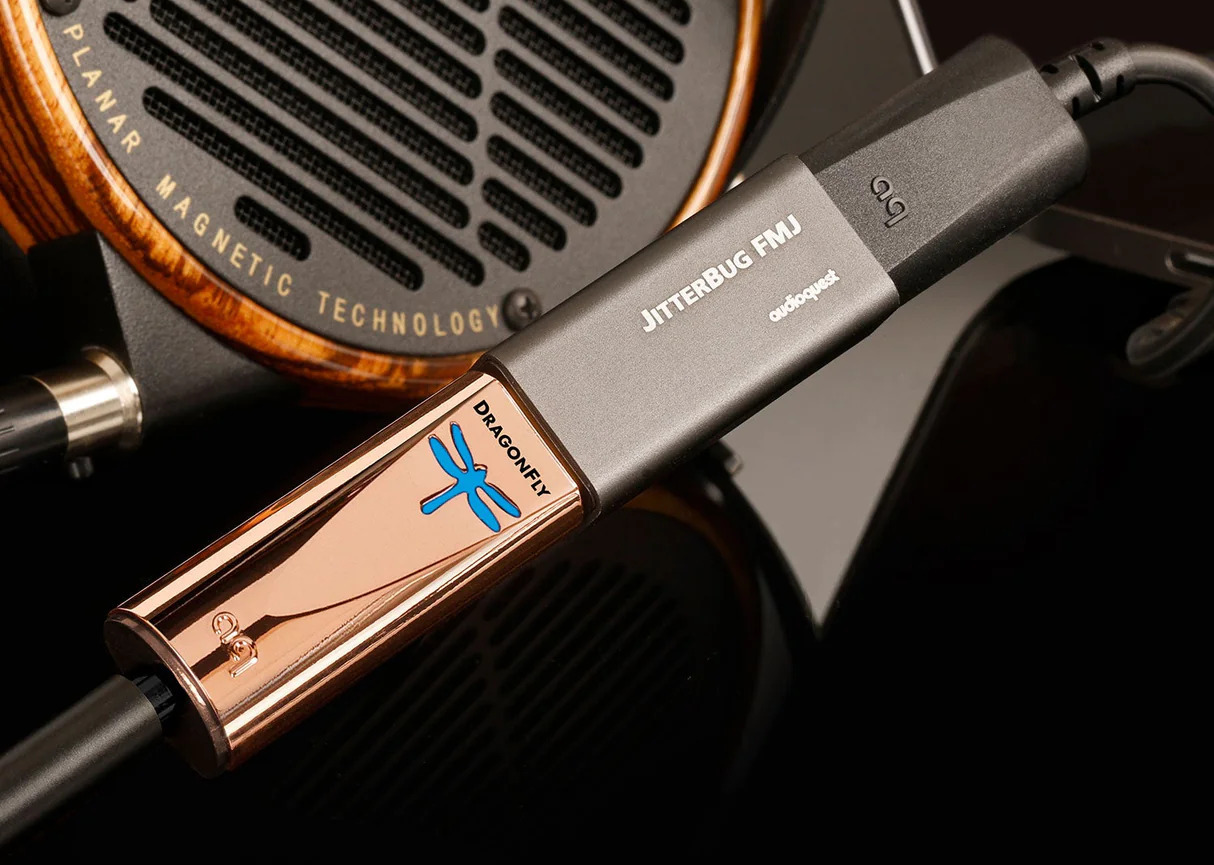
This new DragonFly Copper retains the same dimensions as its predecessors (57 x 12 x 19 mm). But it’s more visually appealing, both because of its rounded design near the headphone jack and its striking copper finish. And while the dragonfly is mostly shown in red in the photos, it lights up to indicate the quality of the file being transferred, changing from green (44.1 kHz) to blue (48 kHz), yellow (88.2 kHz), and light blue (96 kHz). In any case, as soon as an MP3 is played, it is converted to 96 Hz/24-bit before the analog signal is sent to the headphones.
To ensure universal compatibility, the DragonFly Copper retains a USB-A port, but an adapter is included to connect it—especially now—via USB-C. It continues to use Gordon Rankin’s patented StreamLength® asynchronous USB transfer code to deliver the most accurate signal possible.
Its price point places it in the middle of the previous models, although it’s expected to outperform them all at 249 €. And if you want to further improve the signal’s smoothness, it can be paired with the JitterBug FMJ (69 €), which connects directly via USB-A and to which you can then attach the USB-A/USB-C adapter included in the package, if needed.
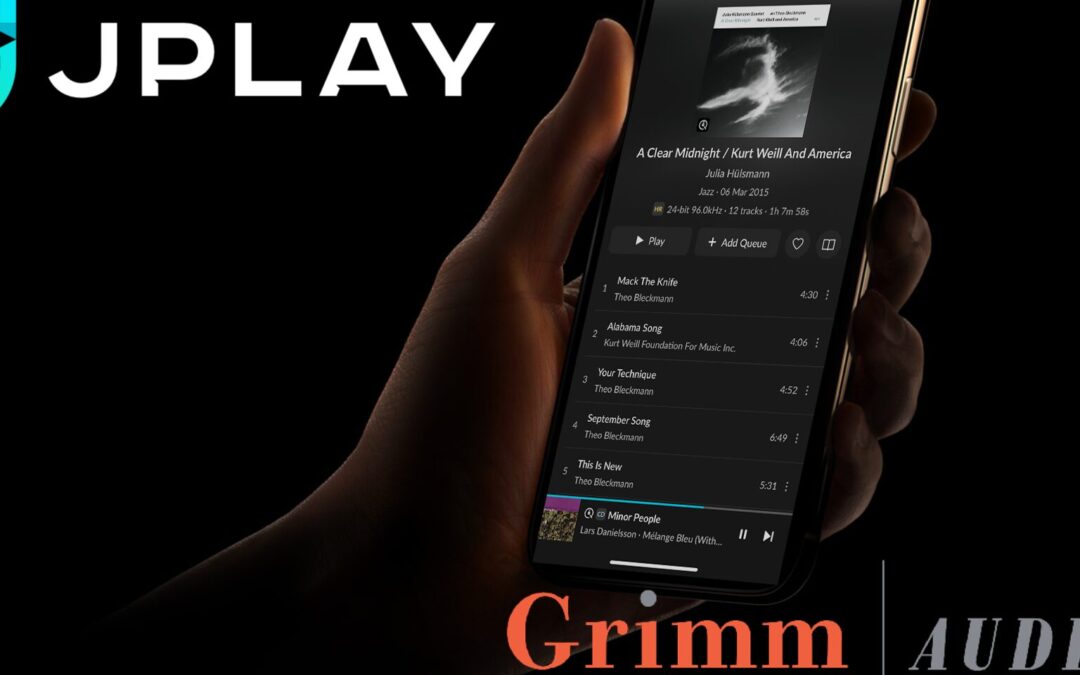
JPLAY introduces support for the UPnP Eventing protocol, enabling full bidirectional control between the iOS app and Grimm Audio’s MU1 and MU2 audio players.
With this development, Grimm joins the “JPLAY Certified” circle, which already includes 3D-Lab, Atoll, TotalDac, Hegel, EverSolo, Bryston, and dCS. Thanks to this partnership, the Dutch manufacturer’s MU1 and MU2 network players ensure better integration and optimal sound quality with the app.
This certification comes with a significant technical advancement, as the new version 1.4.3 of JPLAY adds support for UPnP Eventing technology, developed in close collaboration with the Grimm Audio team. Thanks to this, Grimm Audio’s MU1 and MU2 can now be synchronized bidirectionally: you can start and stop the MU1/MU2 from within JPLAY, but you can also start and stop JPLAY from the player itself using its main button or IR remote control.
In addition to Eventing, update 1.4.3 also introduces direct playback from the disc for HQPlayer and MinimServer configurations, improved HQPlayer playback, new Queue Radio modes, and a series of bug fixes and performance improvements. This update is available now for current users and is included in the app version priced at $49.99 per year or $199 for a lifetime license, available for download from the App Store.
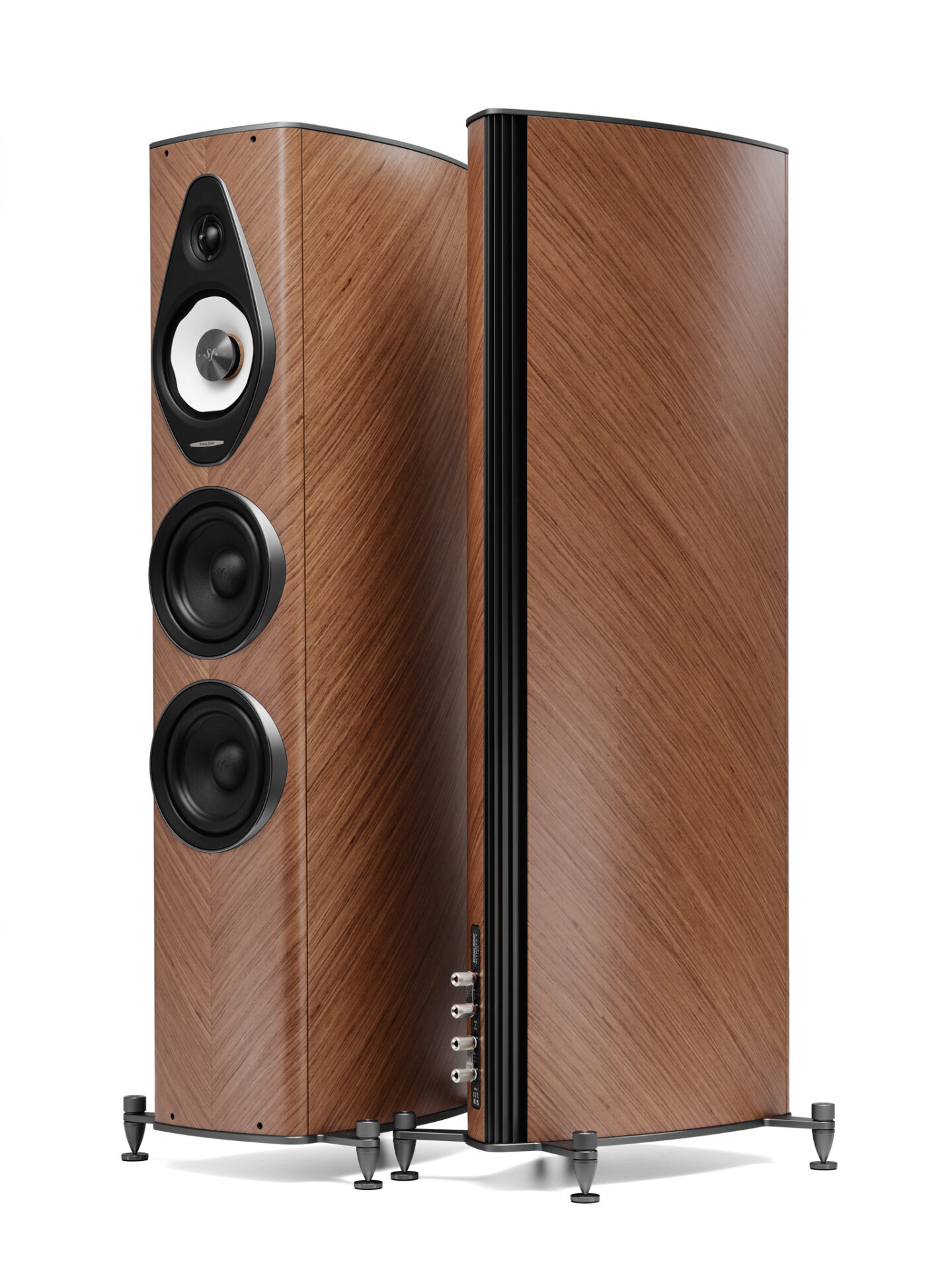
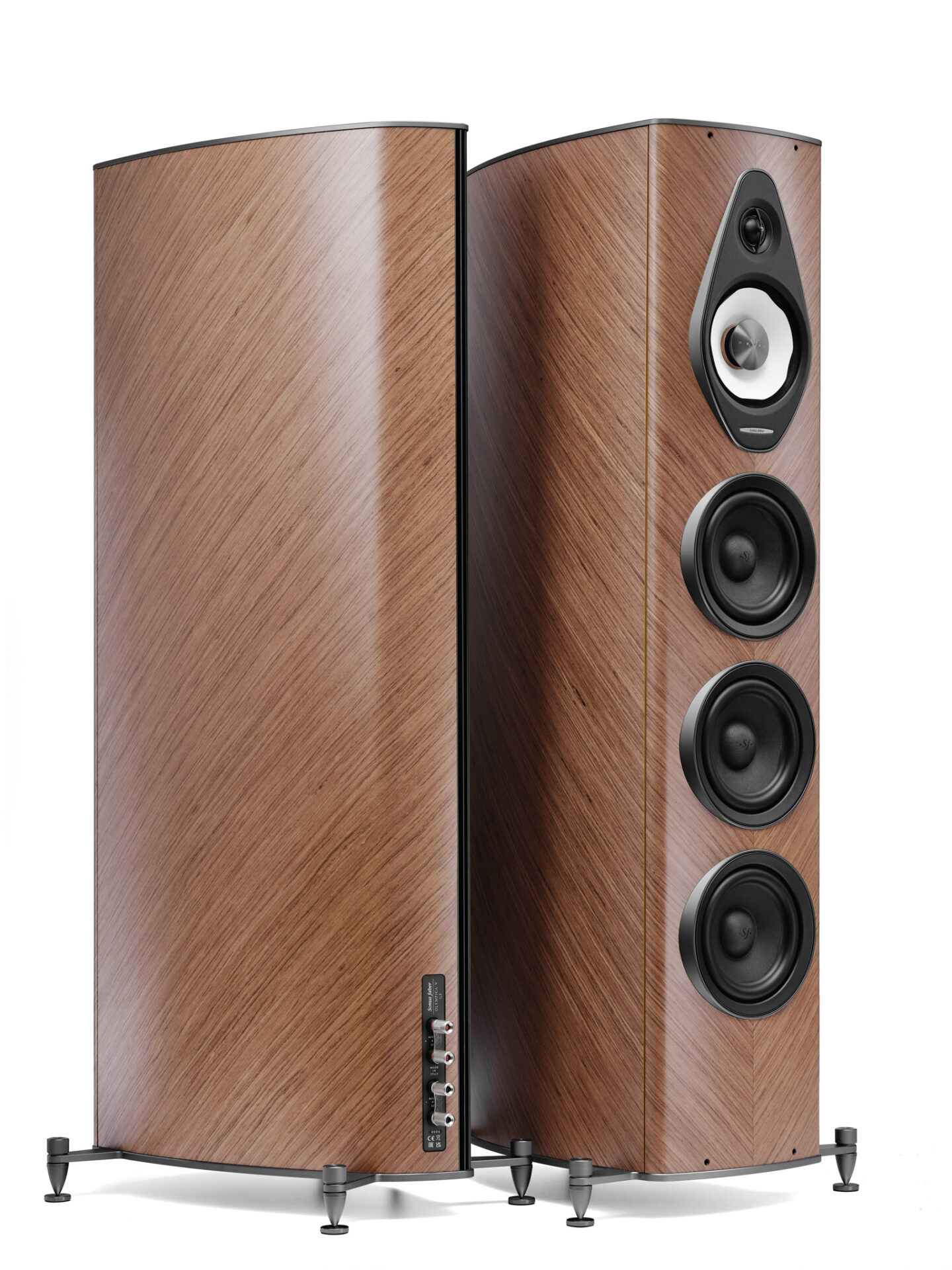
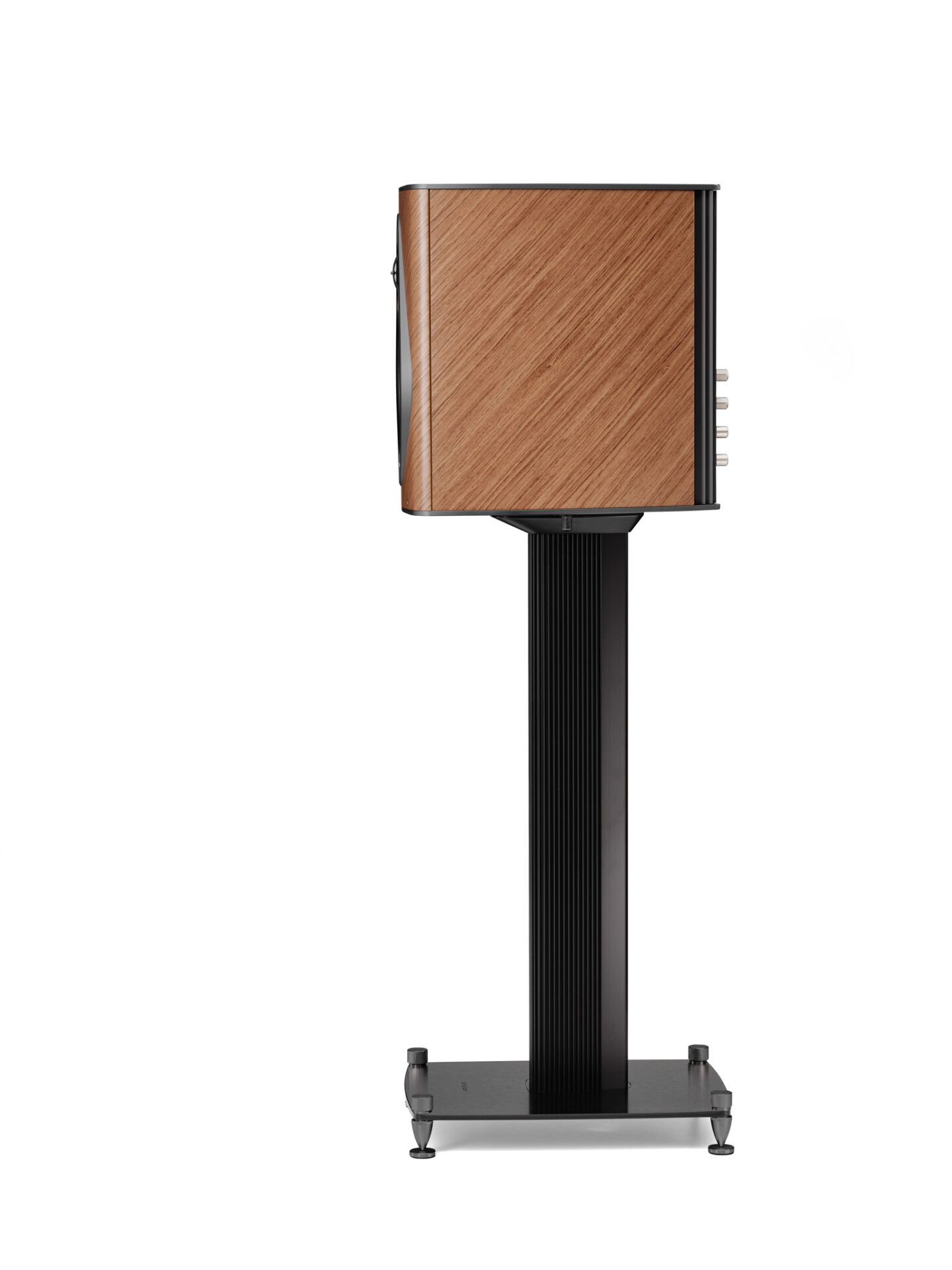
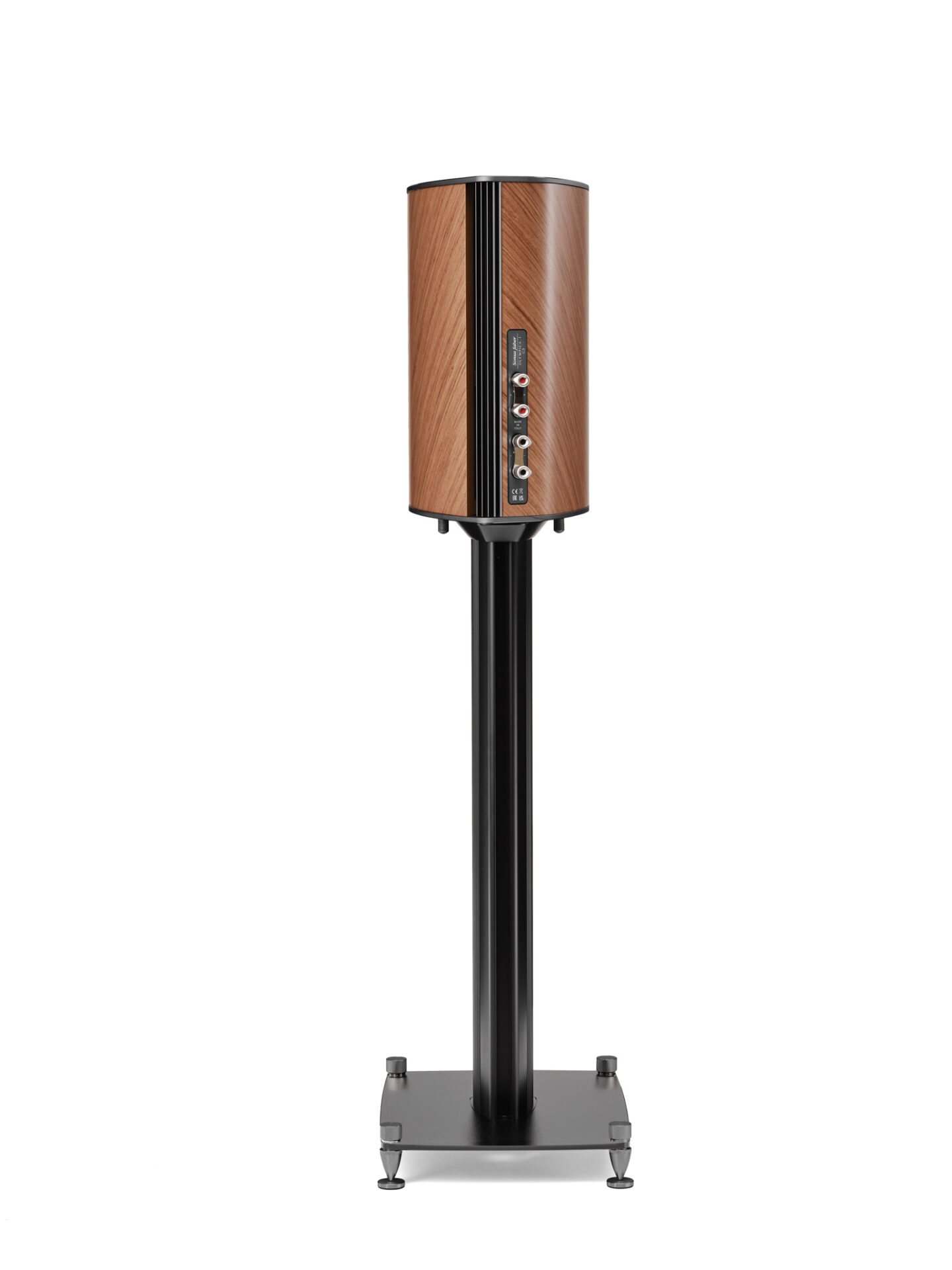
Many of you still held them in high regard—or even owned them. Yet Sonus Faber’s Olympica Nova (version 2) models were beginning to show their age, which is why, at the start of summer, right after Fashion Week, the Italian manufacturer unveiled its brand-new Olympica G3 collection in Vicenza.
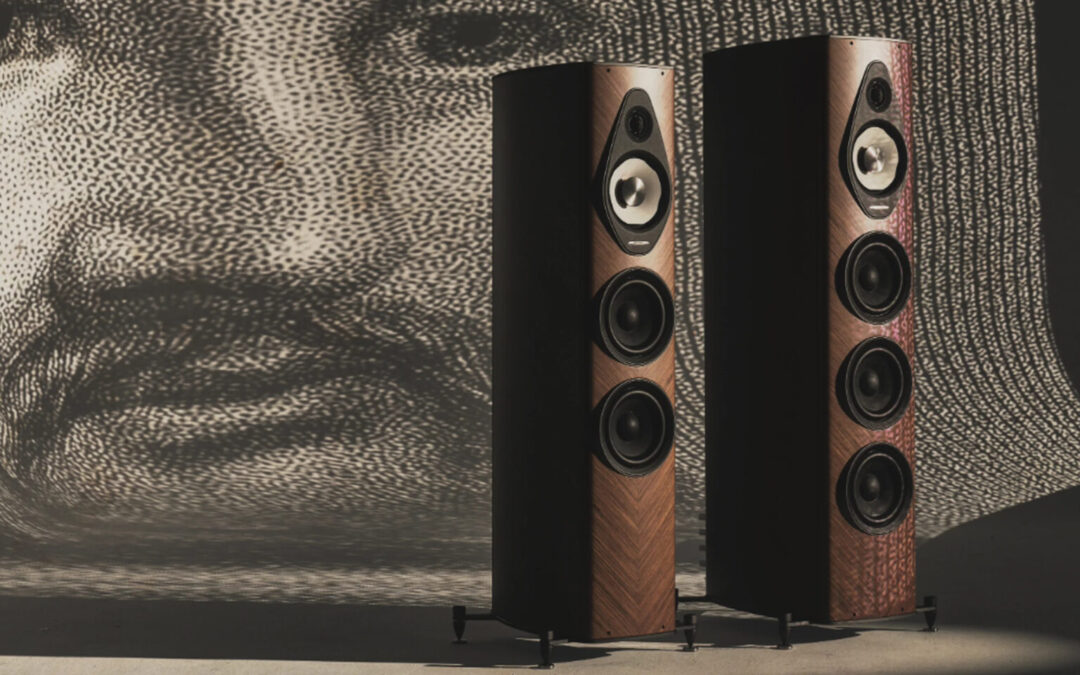
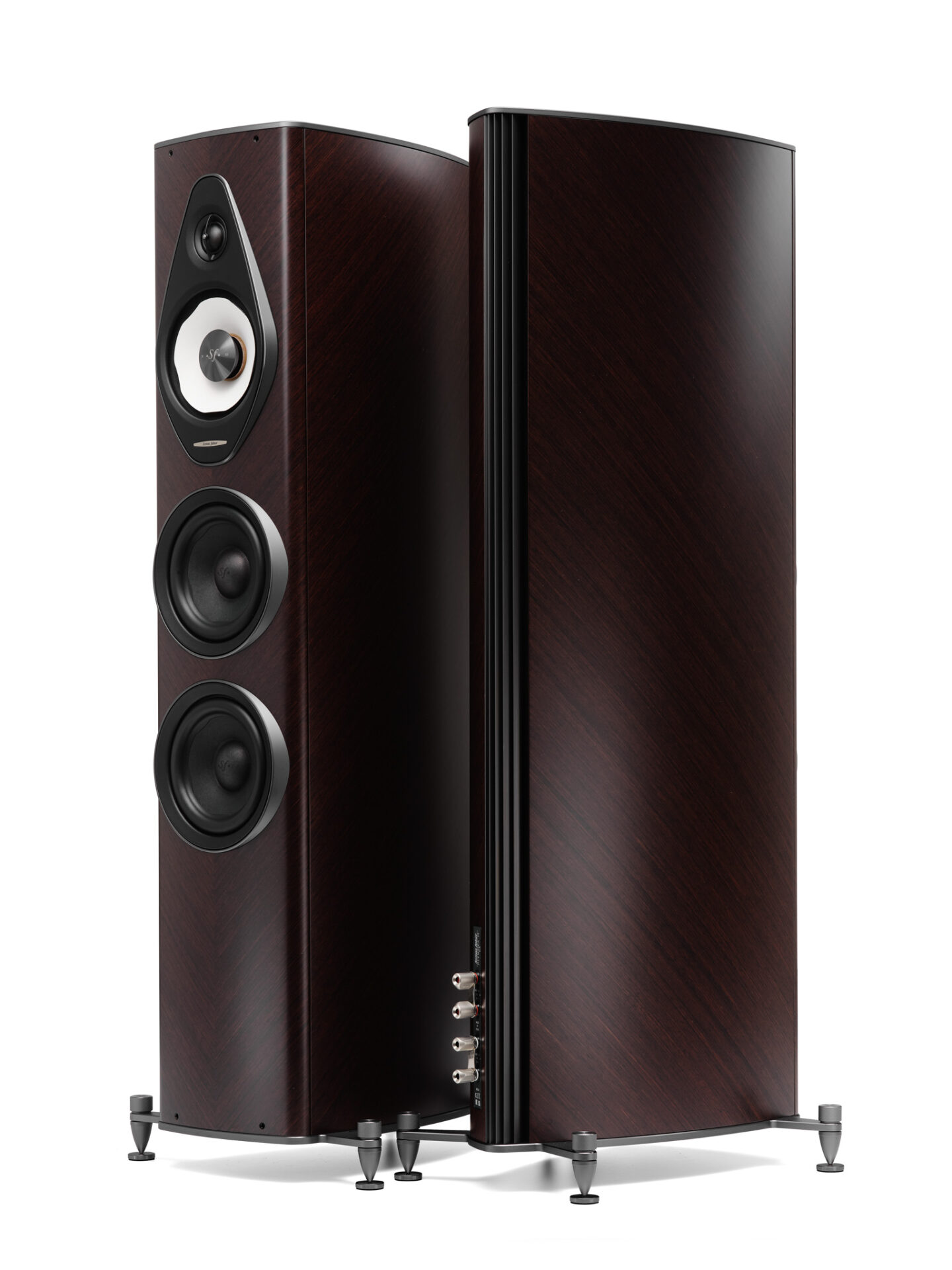
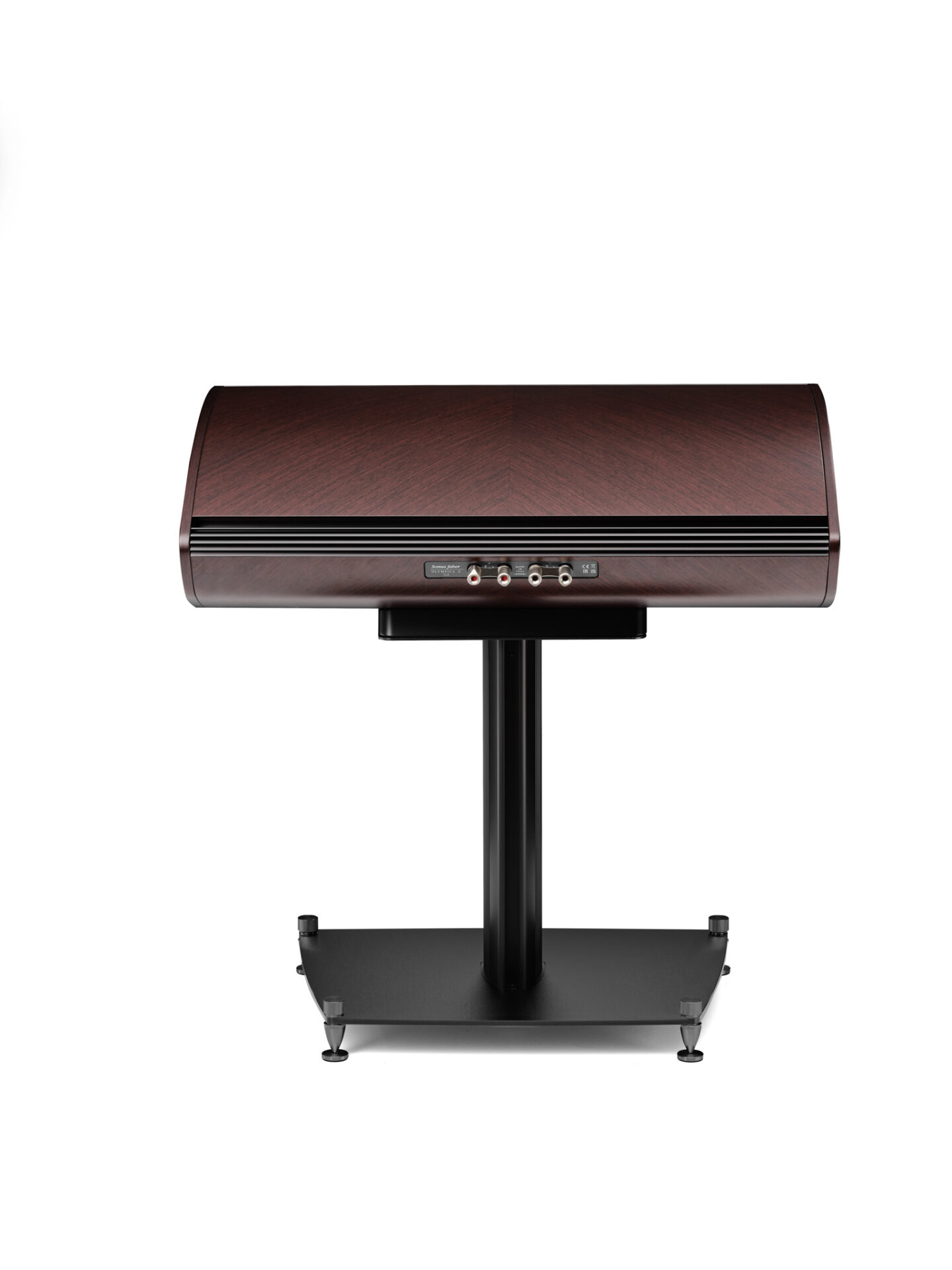
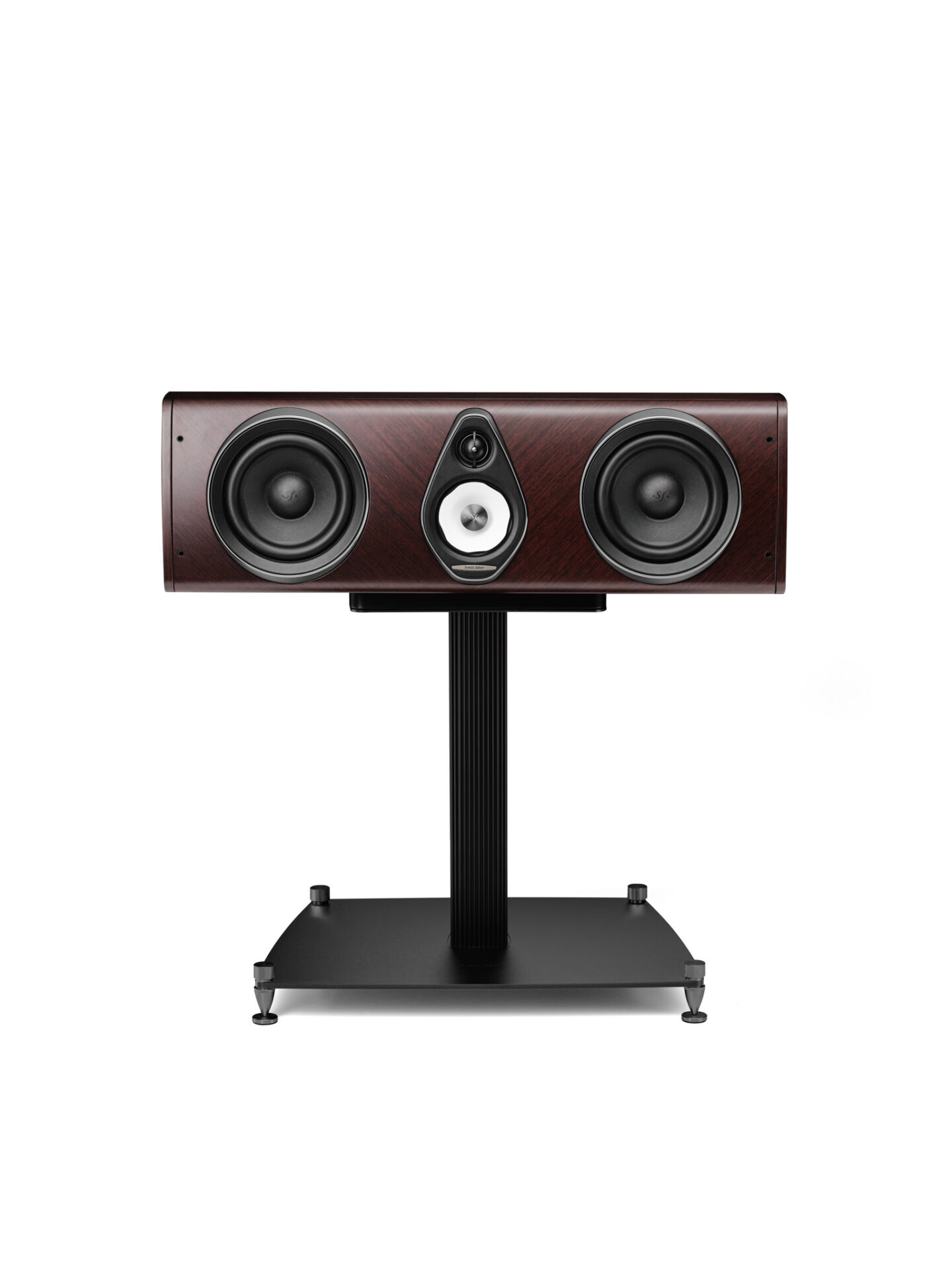
Named after the city’s theater—the Teatro Olimpico—designed by Renaissance architect Andrea Palladio, this Sonus Faber series is perhaps the one that best defines the Italian speaker brand today. And this third generation, streamlined to five models, is likely to carry on the tradition, as its finish is even more meticulous, featuring hand-crafted real wood veneer adorned with a 45-degree herringbone pattern inspired by the flagship Stradivari speaker.
In fact, this new generation even draws on technologies developed for the Suprema, but it stands out above all for its Camelia midrange driver, inspired by the geometry of the flower of this shrub, which is itself integrated into an “Organic Basket” whose design mimics the natural structure of honeycomb cells.
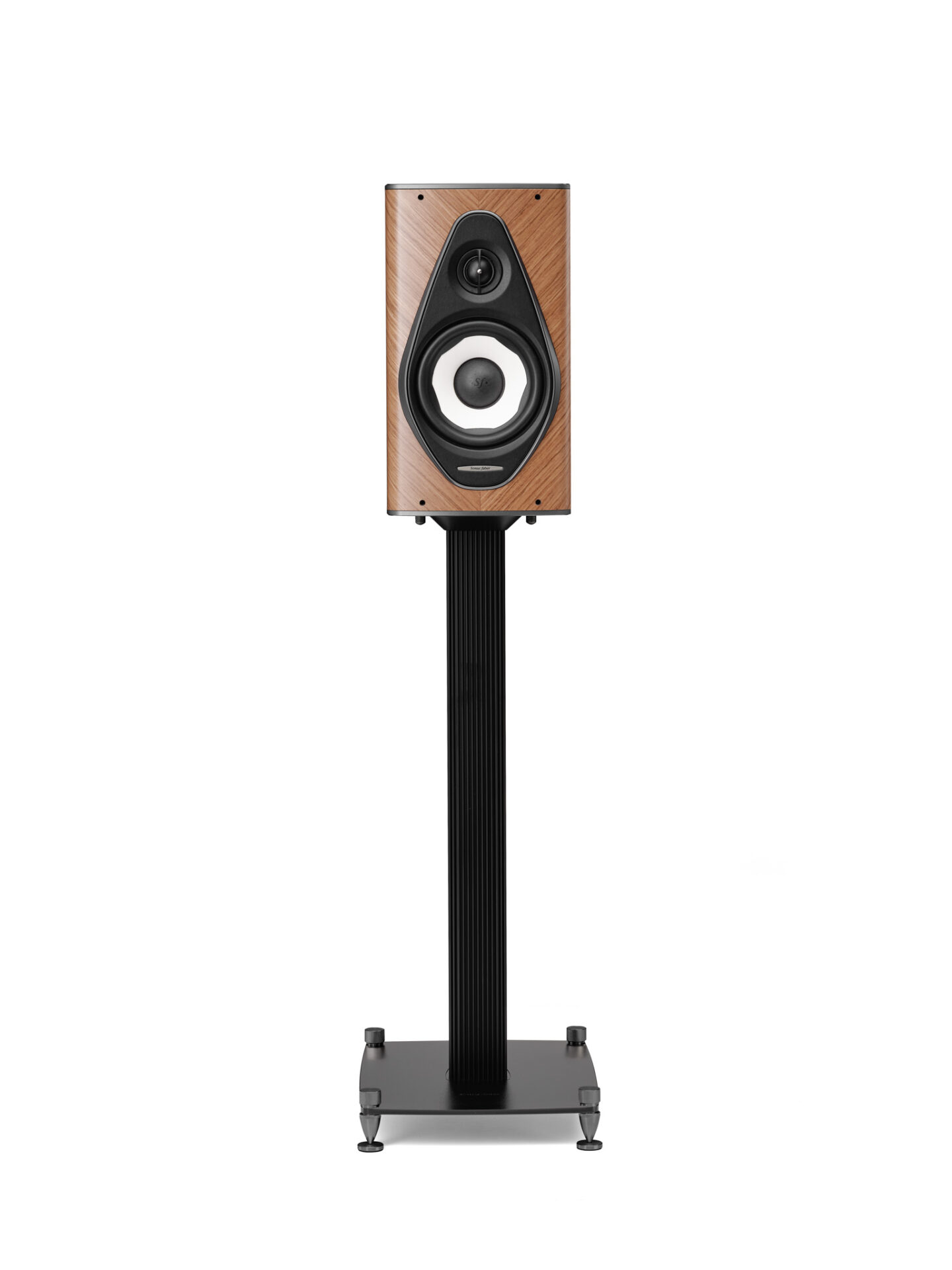
On all models, the rear panel is reinforced and bi-amping is available starting with the Olympica I 2-way bookshelf speaker. Aluminum and leather are combined around the drivers, featuring a 28 mm silk dome tweeter with extended-response DAD™ Arrow Point technology and a 16.5 cm paper cone below for the midrange. On the 3-way Olympica G3 III and V models, two and three 16.5 cm paper woofers, respectively, extend the low frequencies down to 42 Hz and 37 Hz. For these three models, the overall sensitivity is 90 dB (2.83 V/1 m).
The Olympica G3 Center is available, like the others, in light walnut or dark wenge. But while it features two 16.5 cm paper cones, it is the only one to have a tweeter reduced to 18 mm and a 10.1 cm Camelia midrange driver. Its sensitivity remains at 90 dB, but the bass response stops at 58 Hz—1 Hz lower than the Olympica I—and the new 3-way crossover is set higher than on the floorstanding models.
The latest addition to the lineup, the Olympica G3 W on-wall speaker is similar to the compact model, using the same two drivers and a 2-way design, although it extends slightly less low (78 Hz). Like the others, its nominal impedance is 4 ohms.
Already very attractive in their previous Nova version, these new Sonus Faber Olympica G3 models further enhance their perceived quality with this new series. It remains for us to verify as soon as possible whether their performance lives up to their striking appearance.
They are available now, with list prices of €7,000 (Olympica G3 W), €10,000 (Olympica G3 Center), €12,000 (Olympica G3 I), €21,500 (Olympica G3 III), and €27,000 (Olympica G3 V) per pair.
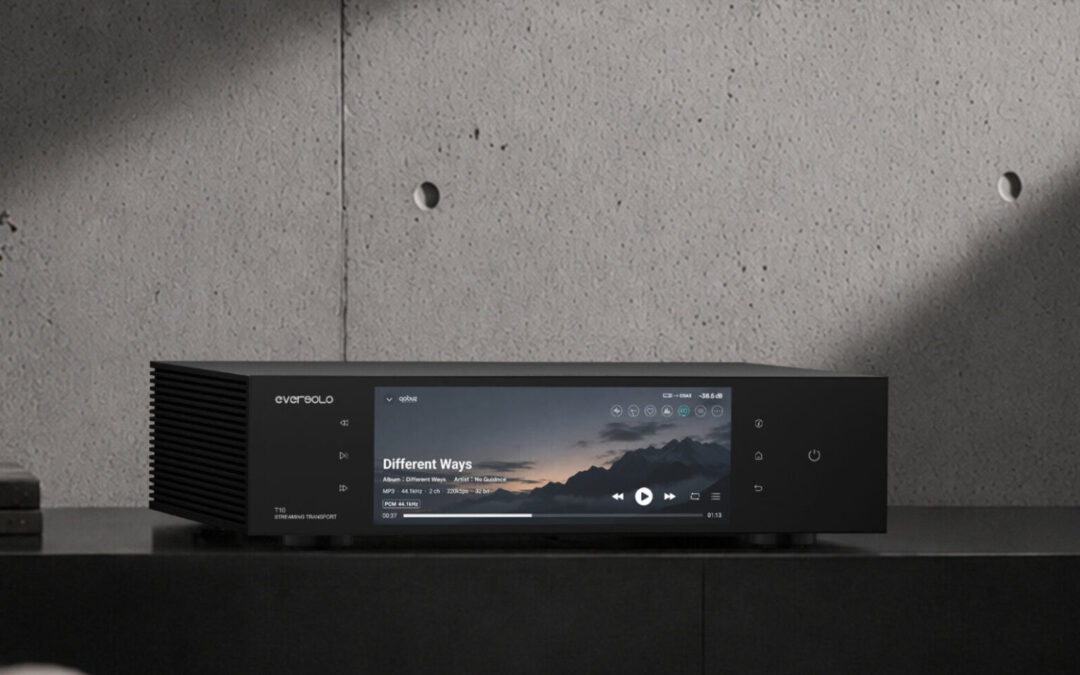
To complement the Z10 DAC in its product lineup, the Shenzhen-based manufacturer unveiled a T10 network transport and a C10 external clock in Vienna.
Having unveiled no fewer than six new products at the High End show in May (download our free special edition here), EverSolo is rolling out its official launches one by one, starting with the T10 network transport.
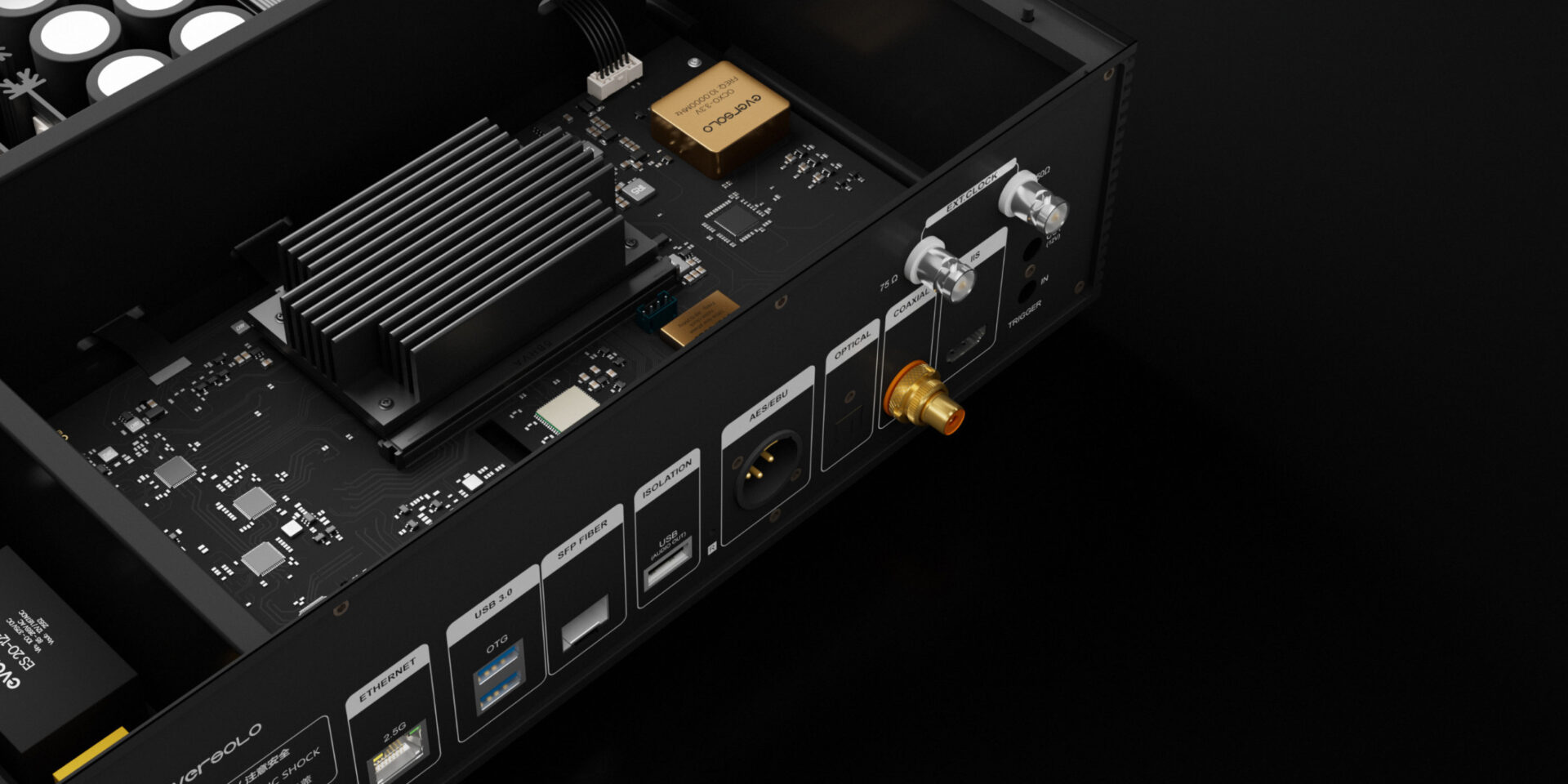
To ensure compatibility with the upcoming C10 clock, this new top-of-the-line streamer—like the Z10 DAC—features two BNC clock ports operating at 10 MHz and 25 MHz under 50 Ω and 75 Ω. However, its internal clock is already very powerful, as it consists of a 3.3 V OXCO operating at 10 MHz, combined with a PLL synchronization system designed to reduce noise and jitter.
Surrounding it, a massive O-type toroidal transformer was developed specifically to deliver the purest possible current to all the T10’s circuits, including that of the 64-bit ARM 8-core processor. Integration with the network module can be achieved via a 2.5 G Ethernet RJ45 connection, fiber optic via an SFP port, or through two USB 3.0 ports (surprisingly, there is no USB-C).
For output (digital, since it’s worth noting that a network transport—unlike a network player—does not include a DAC and therefore performs no digital-to-analog conversion), the T10 offers the very best: the classic optical, AES/EBU, and coaxial outputs, as well as an I2S port and an isolated USB port.
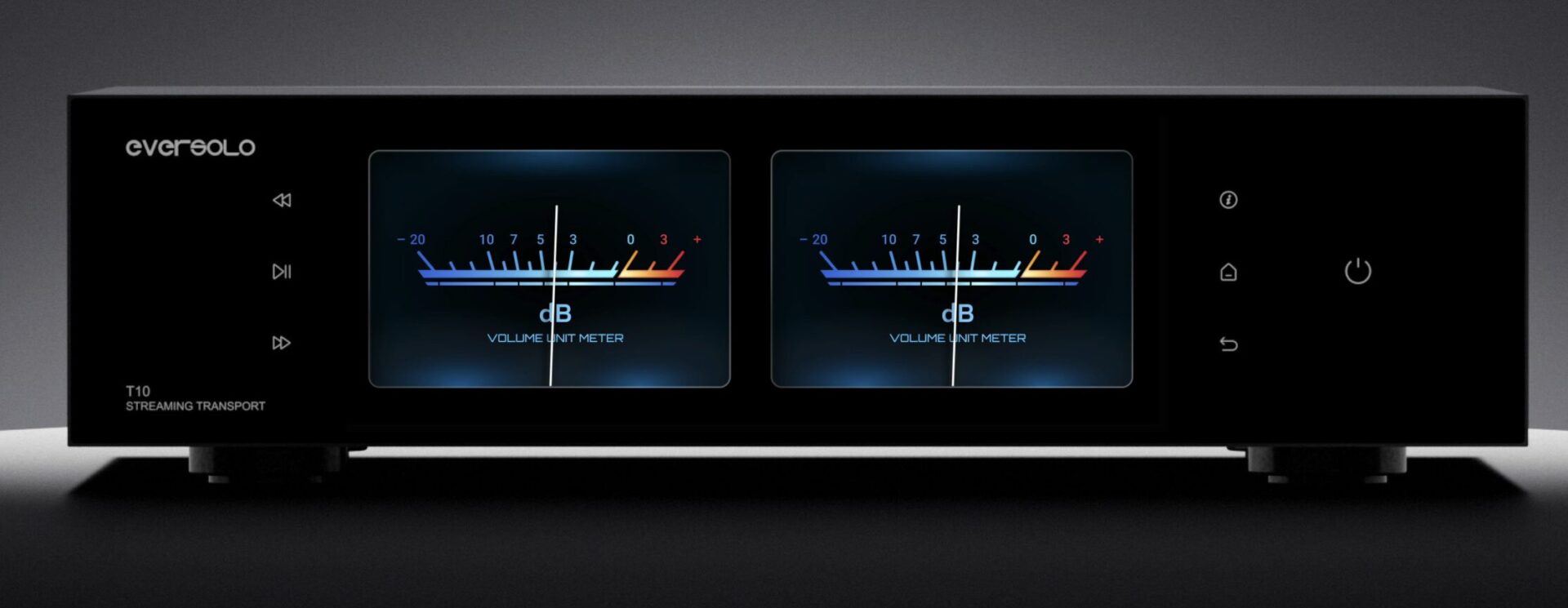
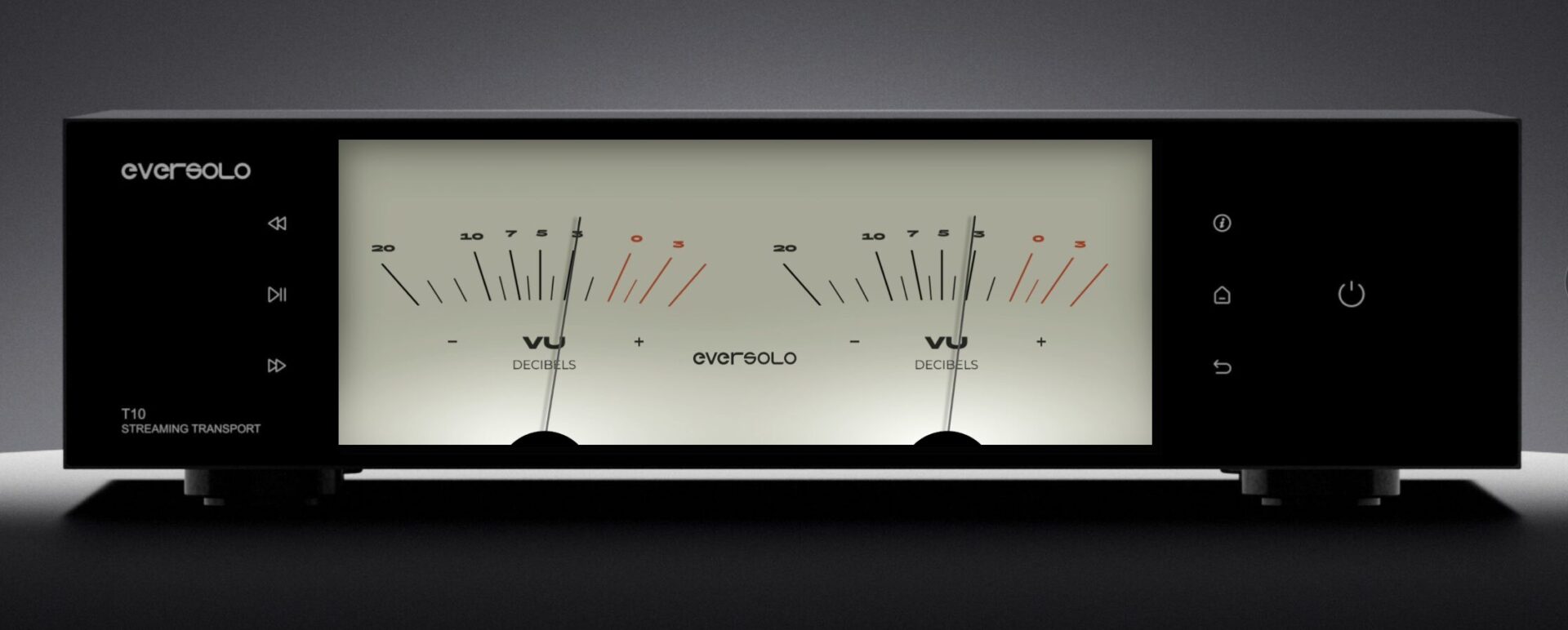
The huge 8.6-inch touchscreen on the front panel makes it easy to control all settings—a feature also found in the manufacturer’s smartphone app—allowing you to effortlessly manage any streaming service (even Apple Music and Deezer are built-in). And if you prefer the reliability of playback from an internal drive, two slots are available to accommodate up to two 8 TB SSDs.
Despite the high quality of the components inside the aluminum alloy chassis, the price—as always with EverSolo—remains very competitive compared to the competition, in this case at 2 190 € or $2 180. We’re looking forward to the clock’s launch so we can test the complete system and tell you more about the sound!