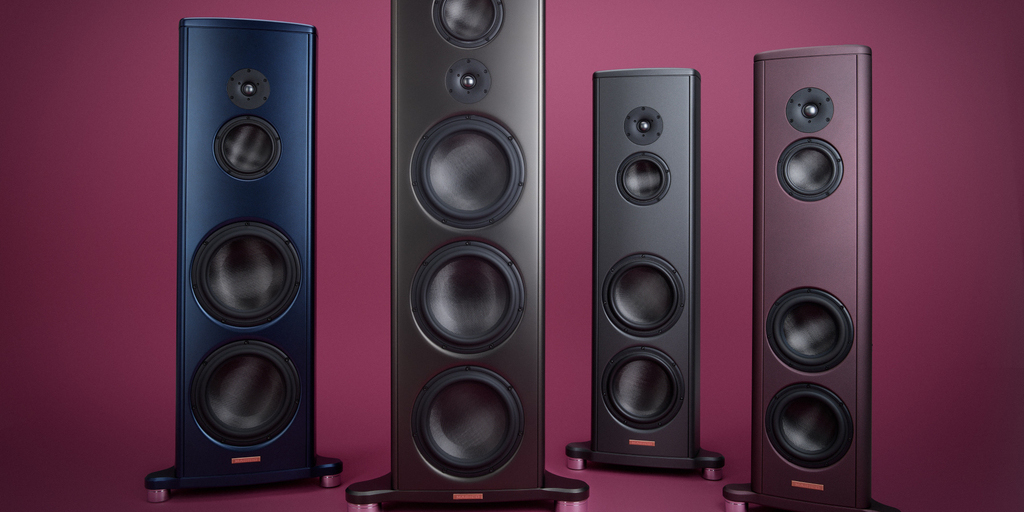
Unveiled at the Axpona show in Chicago in April and soon to be featured in Europe at the Vienna High End, the Magico S7 2026 is reshaping the top tier of the American manufacturer’s lineup.
Weighing 3 kilograms (or 6 pounds) less than the M6 (174 kg each versus 177 kg), the S7 2026 stands out by retaining the 3-way, 5-driver configuration that defined the previous model (read our review in VU#3 FR).
Now, the S series is topped by this newcomer—an unexpected development, given that its creator, Alon Wolf, would stop at the S5 and then move the listener on to the M series. The most imposing model in the range at 142 cm tall, the S7 is thus the only ‘S’ model to feature five speakers, since the other three columns in the series (S2, S3, S5) are limited to four.
Developed like an ‘M’, the 2026 S7 benefits from a new NFS (Near-Field Scanner) robot to measure its acoustic behavior throughout the three-dimensional space surrounding it as early as the development phase, in order to establish a complete acoustic map of its sound dispersion. This comprehensive data helps to precisely refine performance both on-axis and off-axis, delivering the most exceptional possible precision, coherence, and realism.
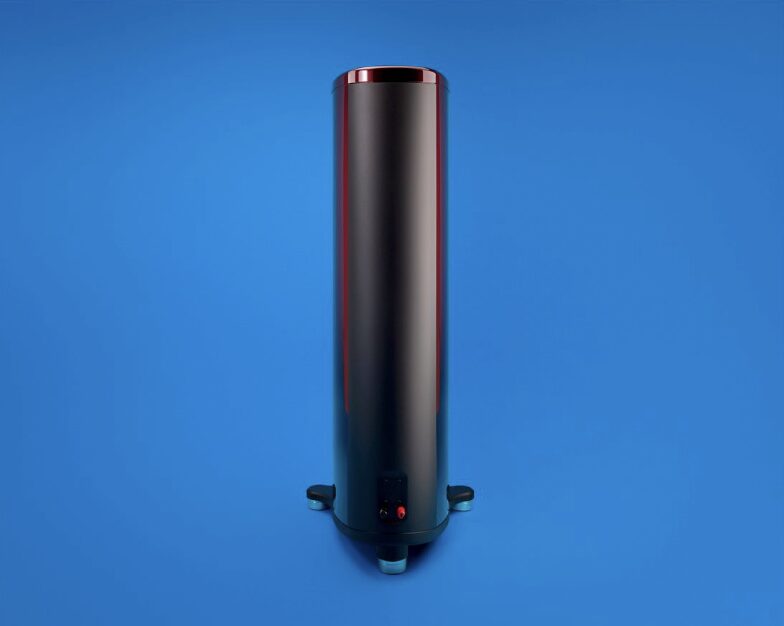
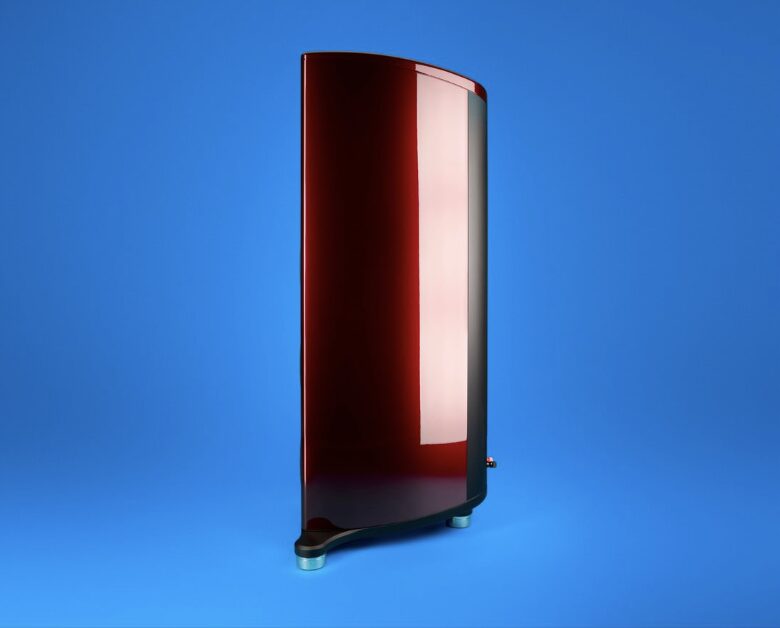
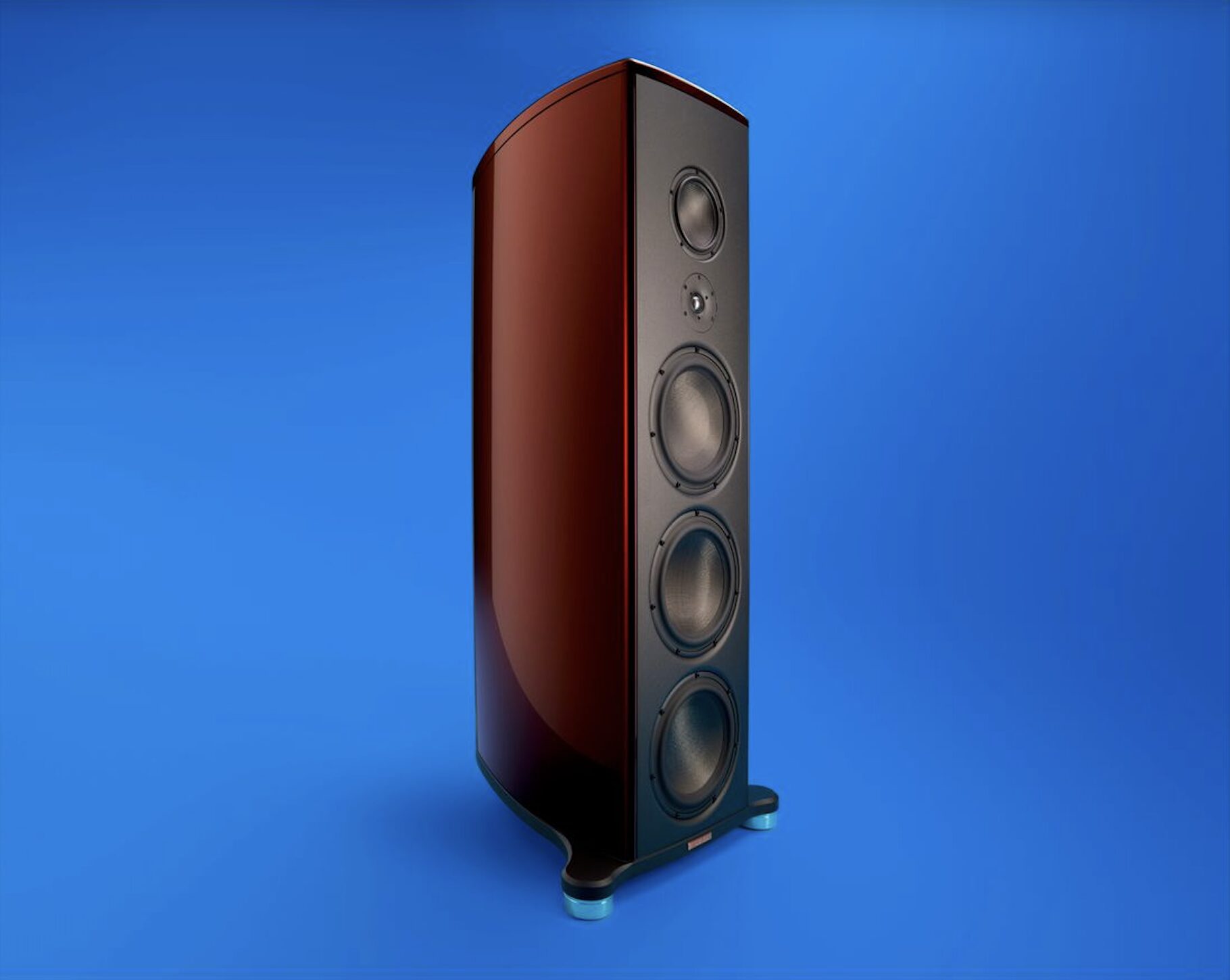
The exceptionally deep aluminum cabinet is designed using cutting-edge 3D simulation technology, which minimizes internal resonances while maximizing rigidity. Its curved front panel reduces diffraction, while its damping almost completely eliminates coloration. But above all, this optimized structure significantly increases the internal volume—from 135 to 180 liters compared to the previous S7 model—resulting in an extended bass response (+5 Hz lower), which is simultaneously denser and even more impactful.
ScreenshotScreenshotScreenshot
The S7’s drivers uses Gen 8 Nano-Tec cones—composed of an aluminum honeycomb core covered with a graphene-reinforced carbon fiber membrane—which offer exceptional rigidity, low mass, and superior damping, thereby ensuring extremely low distortion. A newly designed, third-generation speaker chassis further improves force distribution, suspension geometry, and airflow, thereby enhancing both precision and reliability.
These drivers are housed in a third-generation chassis. They consist of the 1.1-inch (28 mm) pure beryllium tweeter coated with diamond from the M series,
a 6-inch Nano-Tec Gen 8 midrange driver featuring an aluminum honeycomb core covered with a graphene-reinforced carbon fiber cone, and three vertically aligned 10-inch Nano-Tec Gen 8 woofers, designed to reduce bounce effects and smooth the response throughout the room. All are unified by Magico’s proprietary crossover, developed using the finest components from Mundorf and Duelund—the Elliptical Symmetry Crossover (ESXO)—in a three-way design with Linkwitz-Riley slopes, engineered to ensure perfect coherence across the entire audible spectrum.
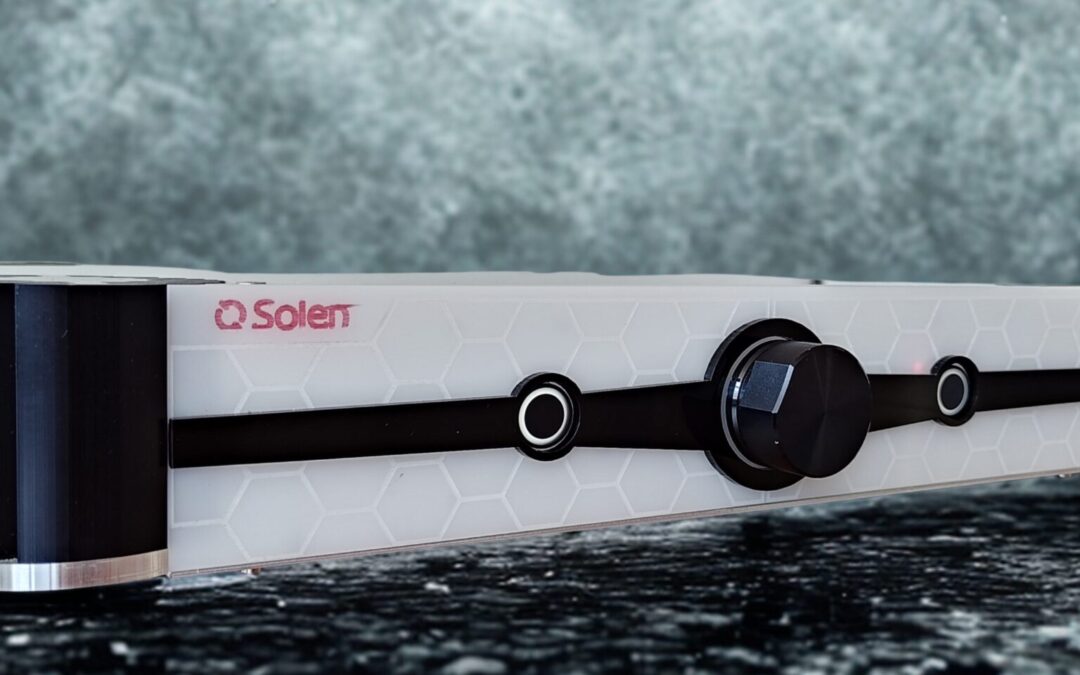
Solen pays homage to its 1990s “Tiger” with a new integrated amplifier based on a 3-stage hybrid architecture.
Premiering in Vienna on June 4, the Lynx combines a transistor-based input stage and power stage with a tube driver stage. To ensure signal linearity throughout the entire circuit, the input stage features transistor junction compensation, while components manage local negative feedback in the power stage without imposing any significant negative feedback on the overall structure. Total harmonic distortion is measured at around 0.02%.
The driver stage consists of triodes configured in a push-pull circuit, which transfer the signal to the amplifier stage with a nominal output power of 50 watts per channel into 8 ohms, or 65 watts per channel into 4 ohms in Class AB. The power supply is dual-mono to optimize channel separation and thus the signal-to-noise ratio, while the volume control for the preamplifier section uses switched resistors.
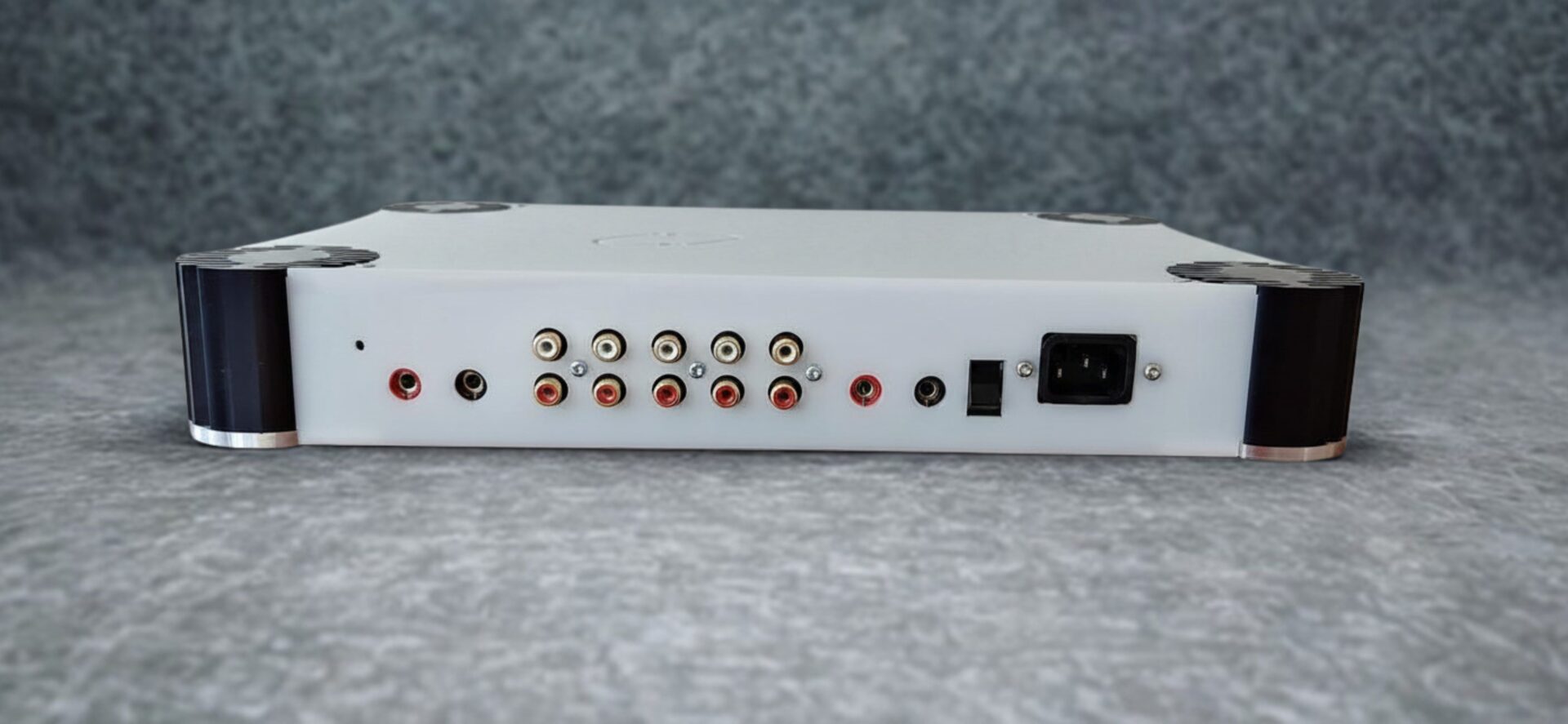
Housed in a white chassis featuring four black feet running the full height of the amplifier, the Lynx supports speaker cable connections exclusively via banana plugs and up to five analog sources via RCA terminals. The price has yet to be determined but is expected to be in line with the French manufacturer’s other products. We’ll have more details for you starting Thursday!
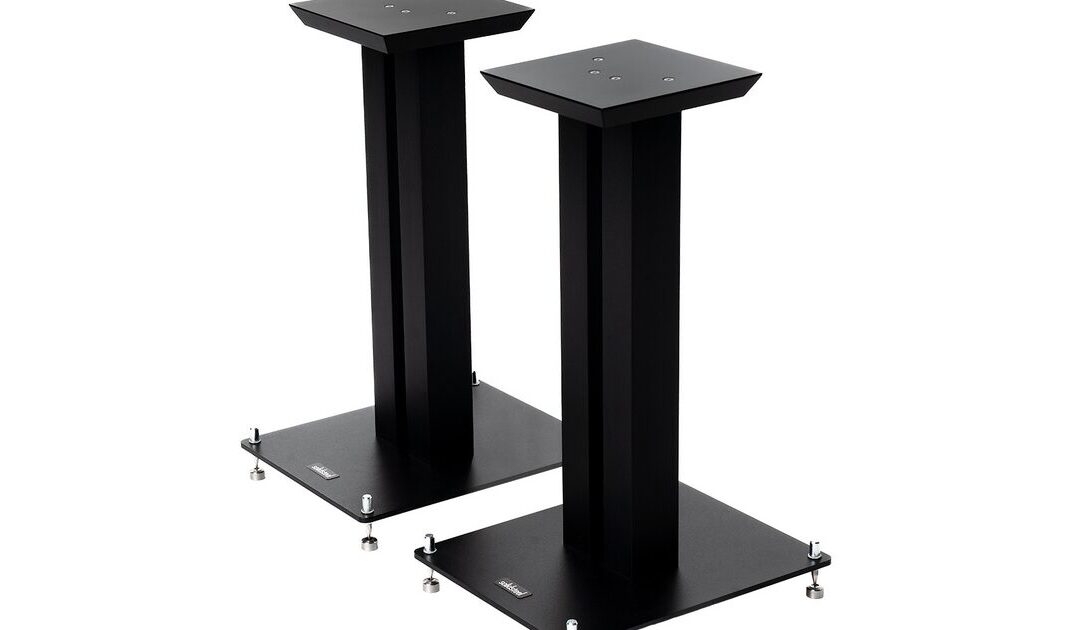
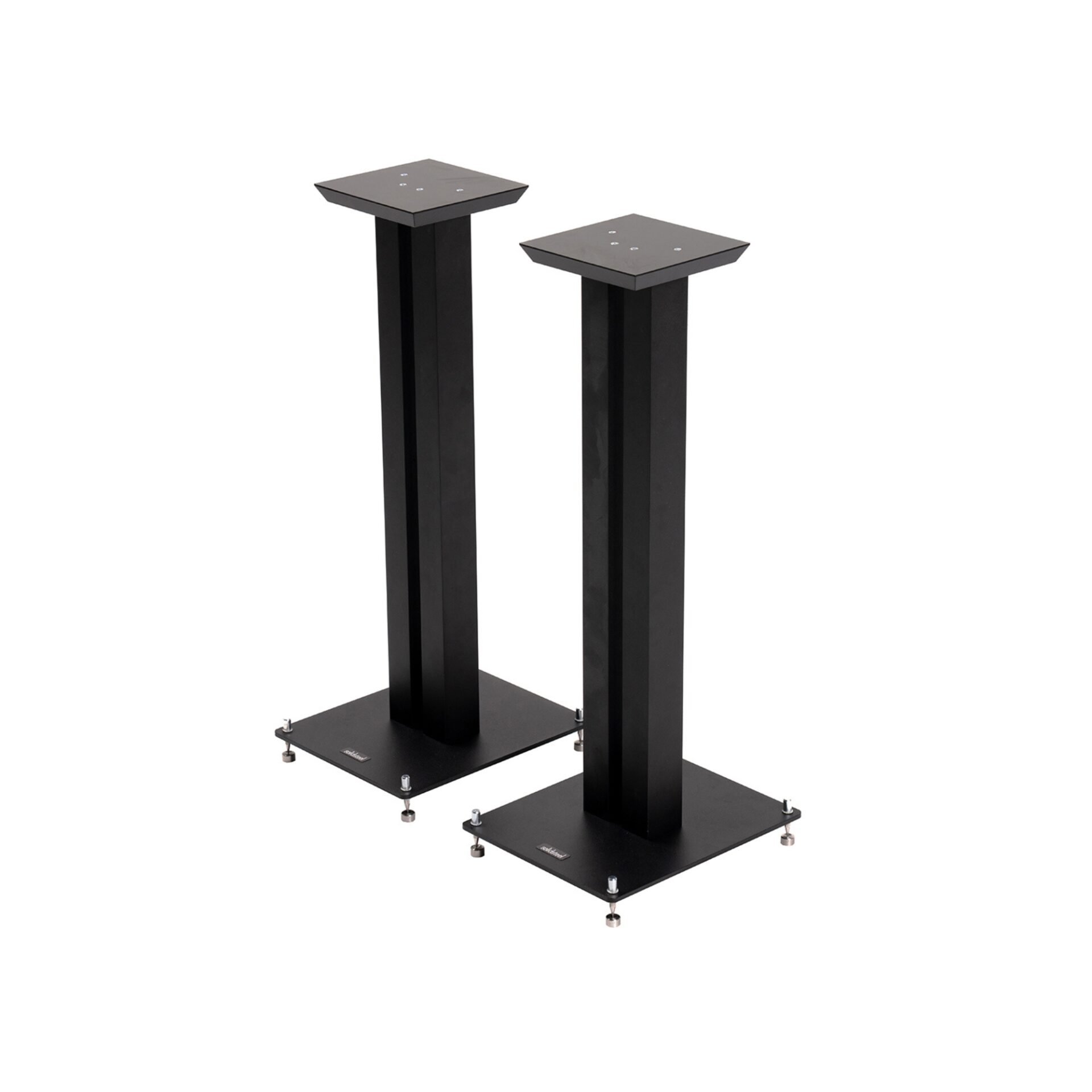
With two models already in its catalogue –the NS and the SS (VU45 review & here; Essentiel)- Italian manufacturer Solidsteel is now launching the UL model.
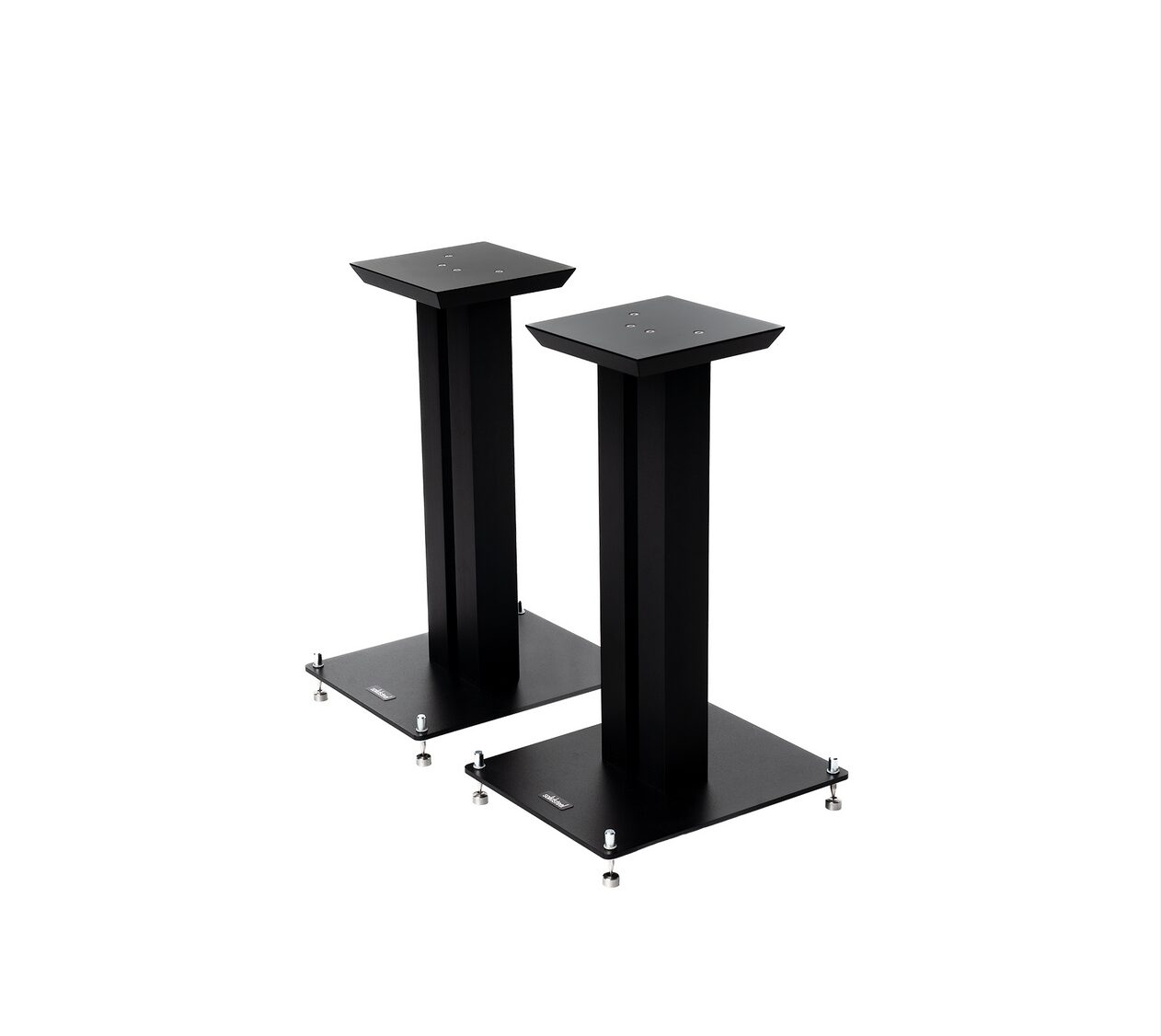
Intended to replace the NS in the future, the new UL stands feature twin rectangular aluminium profiles mounted on a steel base structure. These two rectangular uprights have a hollow TPU (thermoplastic polyurethane) frame, designed to improve damping and thus better combat vibrations.
The top plate is made of MDF, again with the aim of creating the best possible interaction between the stand and the speaker placed on top of it. The top and bottom plates are mechanically connected by a slender structure, specially optimized to ensure rapid damping of the system’s inherent vibration modes and a particularly fast response to mechanical transients.
Whilst the steel base, bolted to the front and rear feet, measures 280 mm x 230 mm for all UL versions, the square top plate can be chosen in either 160 x 160 mm or 200 x 200 mm for larger speakers. To meet the same customization needs, the height of the uprights can be chosen as either 40 cm (UL-4) or 60 cm (UL-6), with this having little impact on the average weight of 8 kg (17.6 Ib) per leg.
The price varies very slightly between the two versions, from 369 € for the UL-4 to 399 € for the UL-6, with no extra charge if you prefer a 200 mm top plate to the standard 160 mm one.
‘Lilliputian’—that was Stéphane Even’s concept for the compact speaker recently launched by his brand Neodio, which is currently being put through its paces at VUmètre for a review in our issue 66.
With the Lolla, the design principles and components are partly carried over, but within the dimensions of a more conventional floorstanding speaker, although kept to 165 mm in width and just under 1 m in height (97 cm). However, the weight of 16 kg (35.3 Ib) per unit hints at the rigidity of the cabinet, which is mainly made from high-density MDF.
To integrate more effectively into rooms and avoid aerodynamic noise and coupling effects with rear walls, the Lolla features a downward-facing port, whilst incorporating the tweeter and driver designed to Kartesian’s specifications for the Lilli. On this new model, the mid-bass drivers are dual-mounted, arranged in an MTM configuration above and below the tweeter at the top of the cabinet.
With a second-order crossover comprising mainly Mundorf components, the Lolla boasts a sensitivity of 88 dB (at 1 m; 2.83 V) and a nominal impedance of 4 ohms. The cabling is, of course, taken from the Neodio range, specifically the Fractal 8 model. And as proof that high-quality products are still being made in France, the Lolla is priced at 7 900 € and comes with a 10-year warranty… enough to ensure you enjoy some truly wonderful listening experiences!
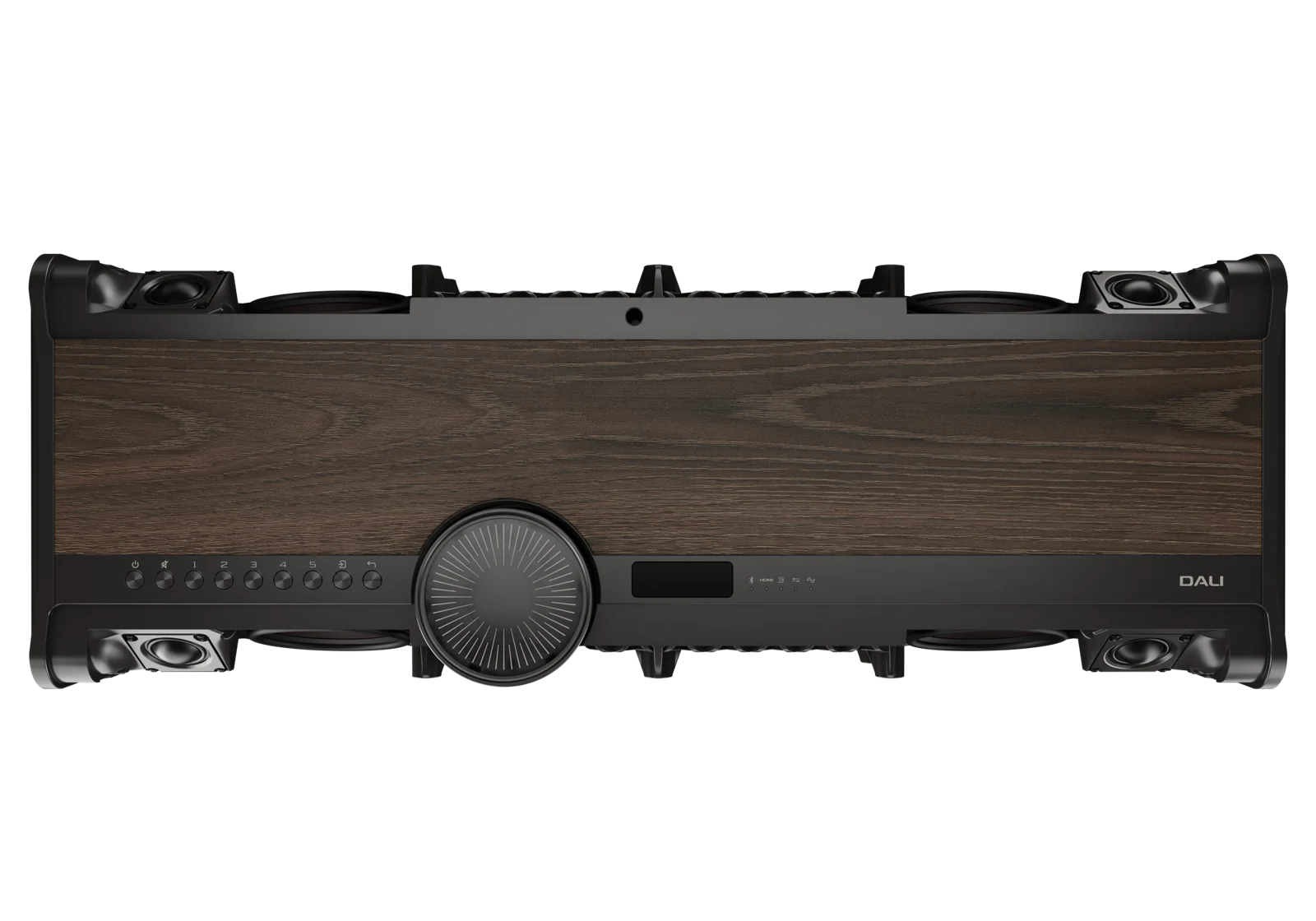
Although it has been a player in the world of active and connected speakers for some time now – notably thanks to its Oberon C and Rubicon C ranges – Danish manufacturer DALI is breathing new life into its catalogue with the all-in-one VEGA speaker.
As one of the pioneers in hi-fi to have made part of its range connected, DALI initially had to contend with restrictive solutions, including the need for a hub between the speakers. However, this era appears to be coming to an end, as DALI now integrates all source, amplification and transduction technologies into a single unit.
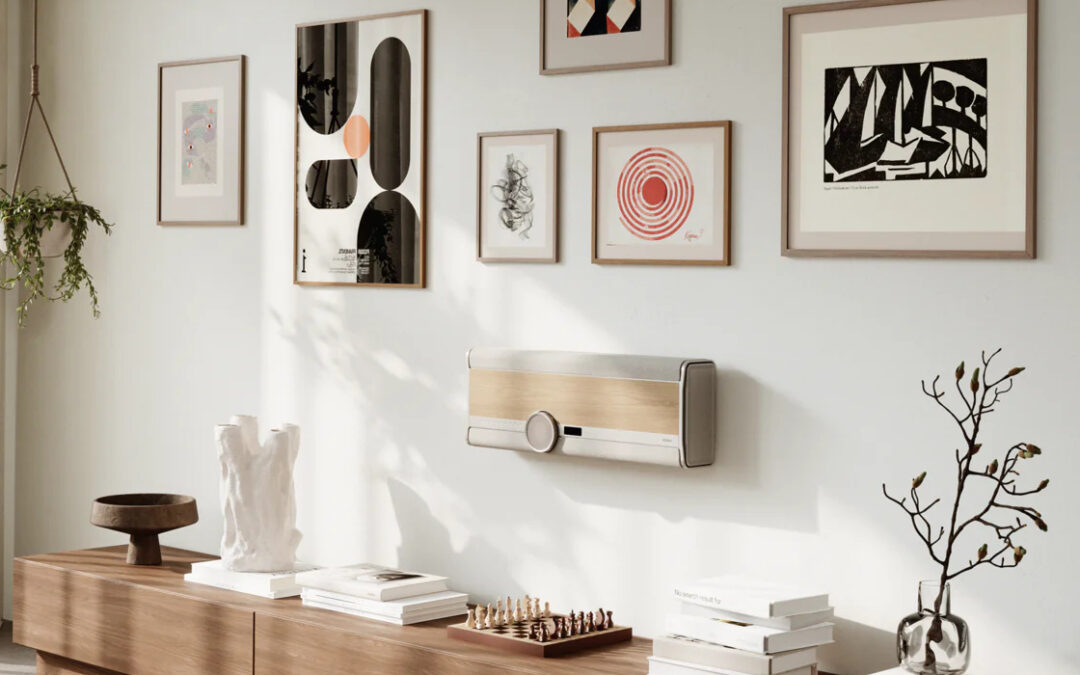
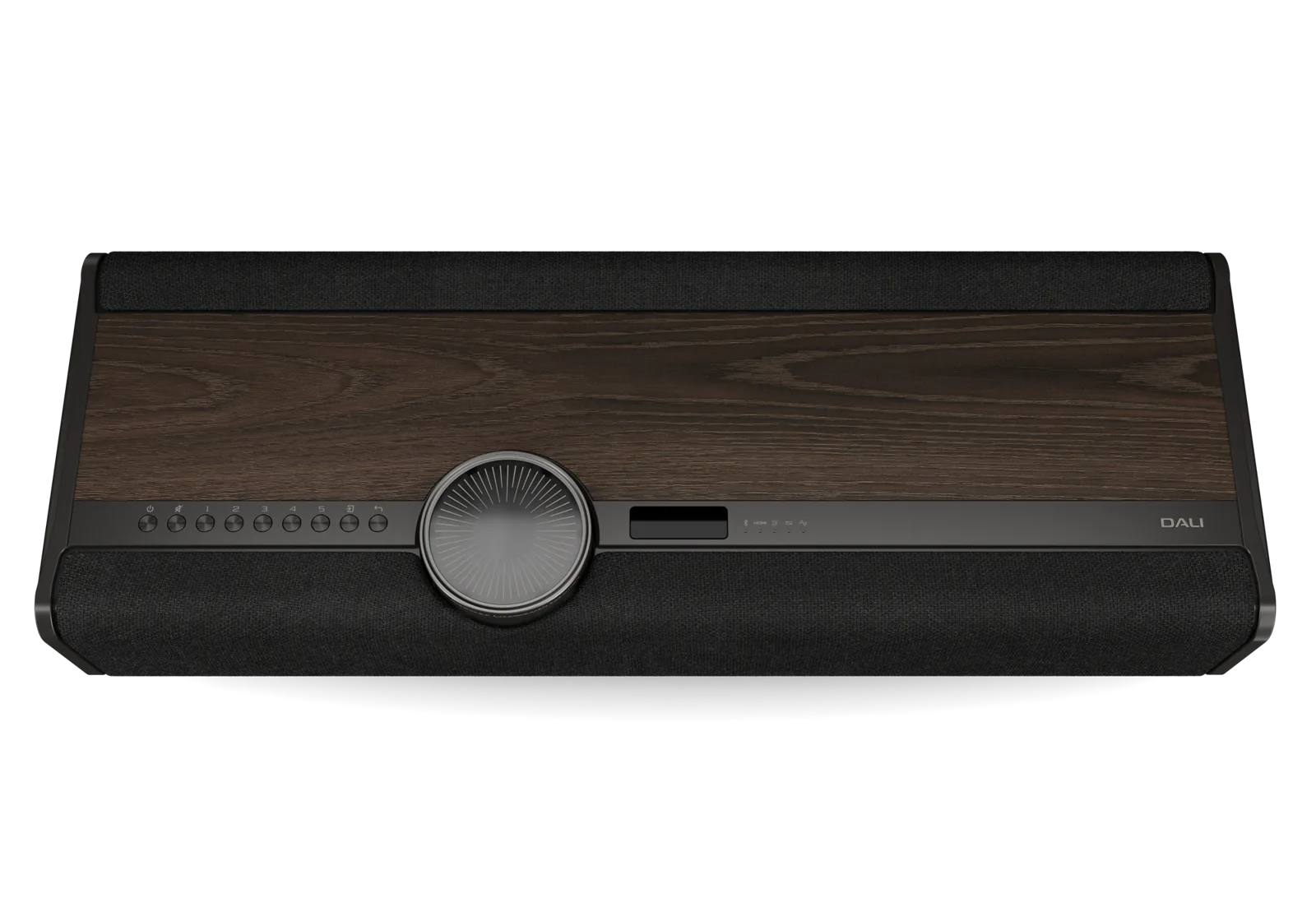
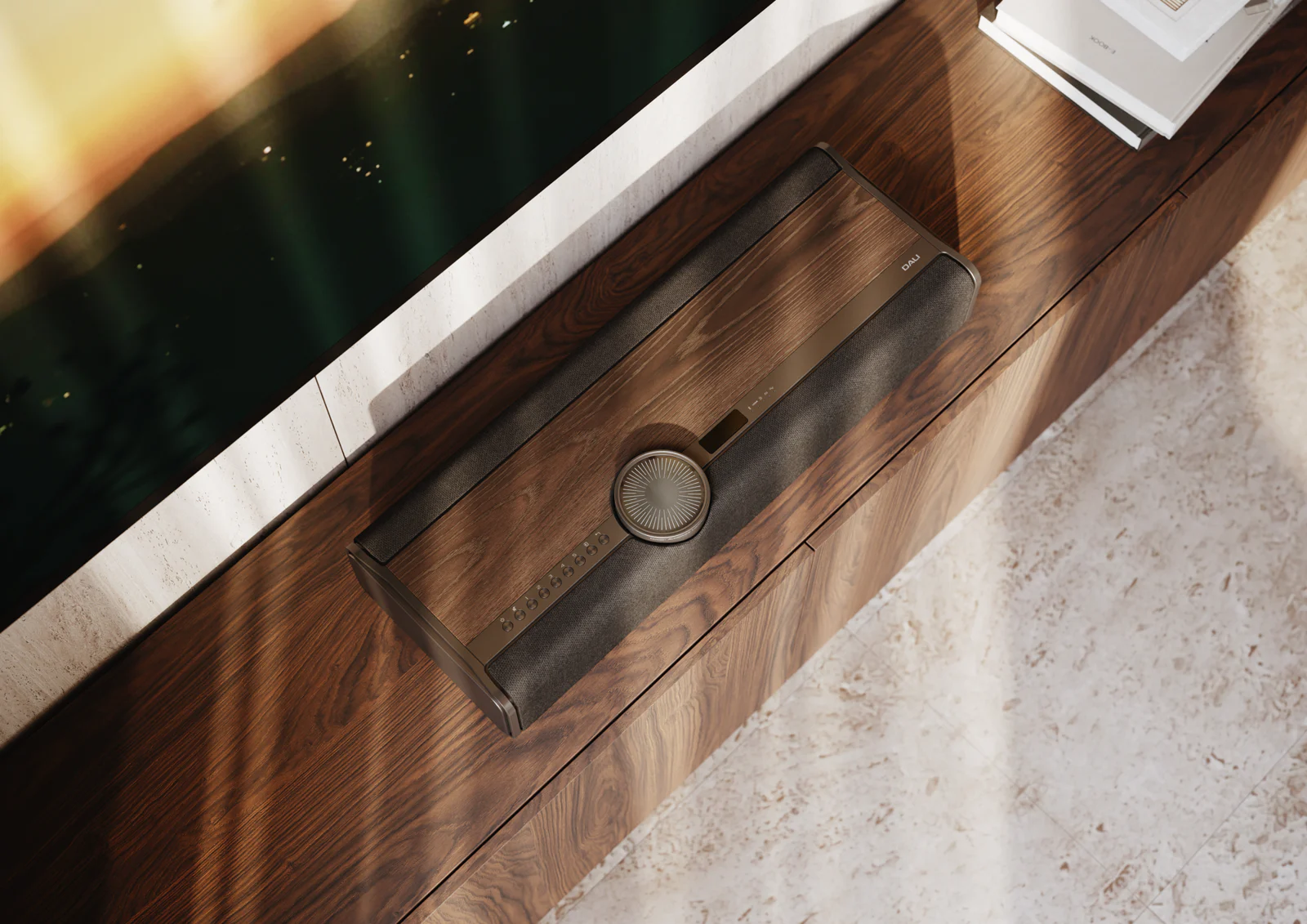
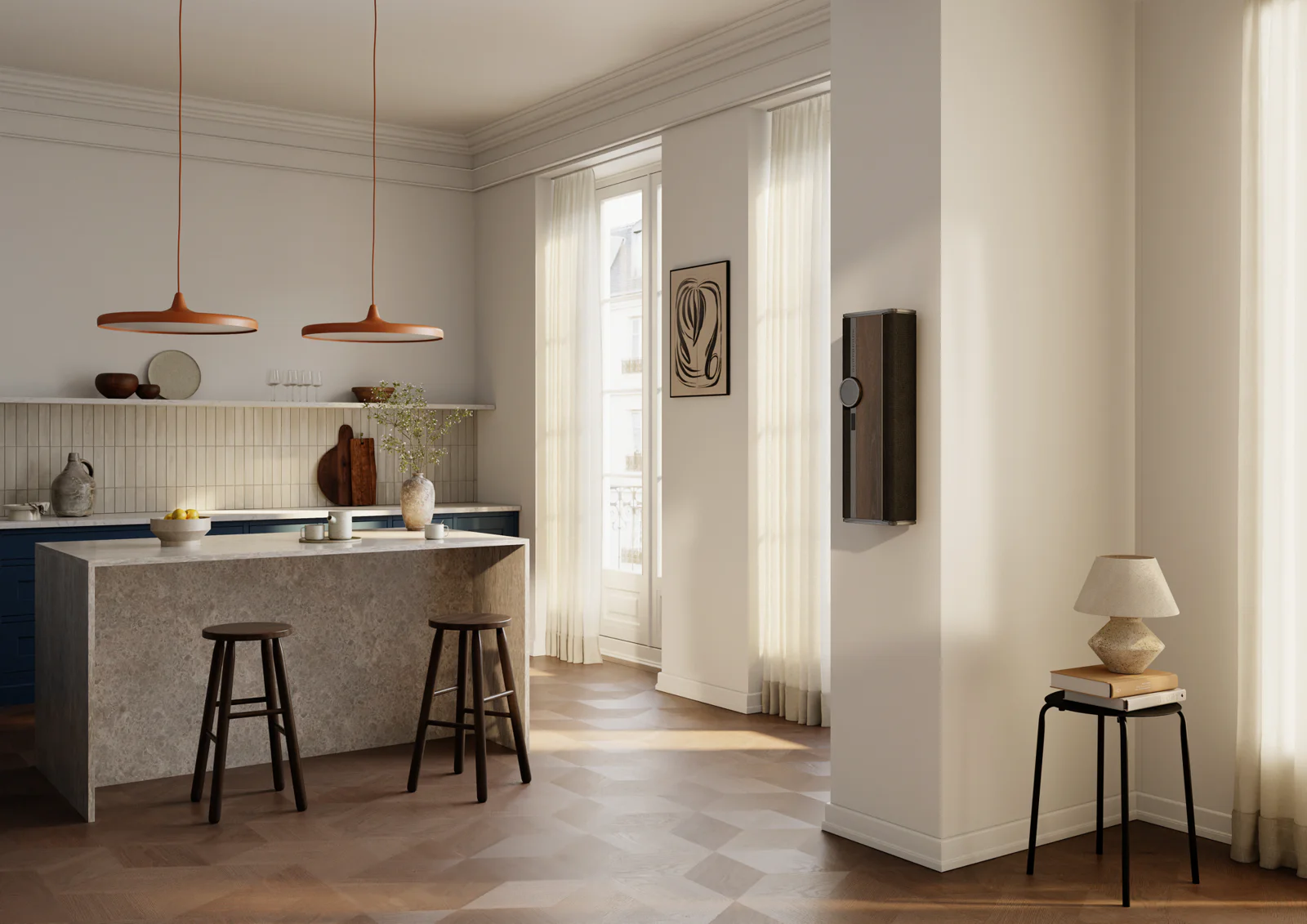
While somewhat reminiscent of the design of Naim’s Mu-So, the VEGA immediately stands out to the eye thanks to its wooden inlays, both on the top and the sides of the chassis. Developed over five years, this new arrival is designed to blend seamlessly into any interior, as it is available in light or dark oak, with black or grey front and rear panels, and can be positioned in any orientation – either horizontally on a piece of furniture or vertically mounted on a wall. It should be noted, however, that in this case one must take into account not only the product’s – reasonable – dimensions (143 x 683 x 243 mm), but also, and above all, its weight (8.7 kg/19.18 IB).
Its connectivity options allow it to support a wide range of wired inputs, including digital HDMI, USB audio and optical connections, as well as analogue RCA inputs. Bluetooth is, of course, also included, as are AirPlay 2 and Wi-Fi, the latter managed by the well-known and proven BluOS protocol, which notably enables multi-room functionality and compatibility with numerous other hi-fi products (BlueSound, Roksan, etc.).
Thanks to 8 x 50 W Class D amplification – totaling 400 W – four paper and wood-fiber cones are driven independently to handle the midrange and bass frequencies (down to 32 Hz), whilst four 25 mm soft-dome tweeters handle the treble (up to 22.7 kHz) . Crossed over at 2.4 kHz, this 2-way speaker with active crossover and DSP supports digital files up to DSD256 and PCM 192 kHz/24-bit.
While the VEGA is set to be previewed in Vienna on 4 June – which you can follow via our Instagram and Facebook videos from the show – you’ll soon be able to hear it in-store, or even purchase it for 2 999 € or $2 599 including VAT.