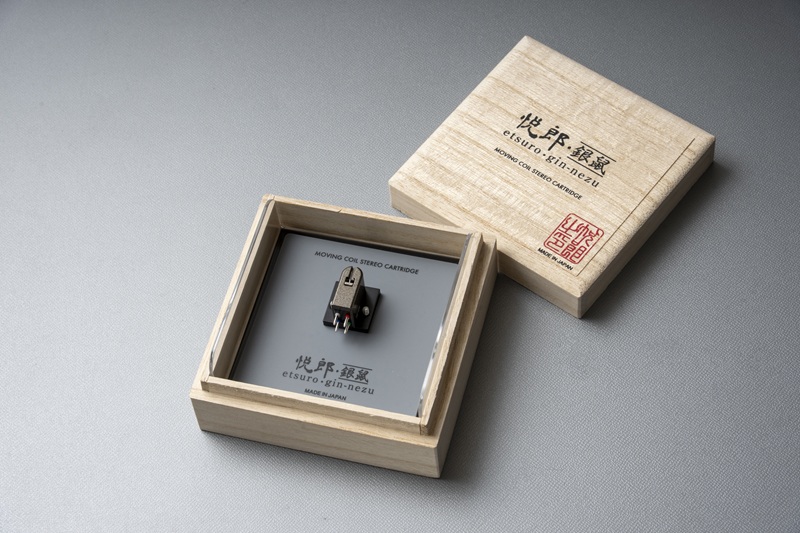
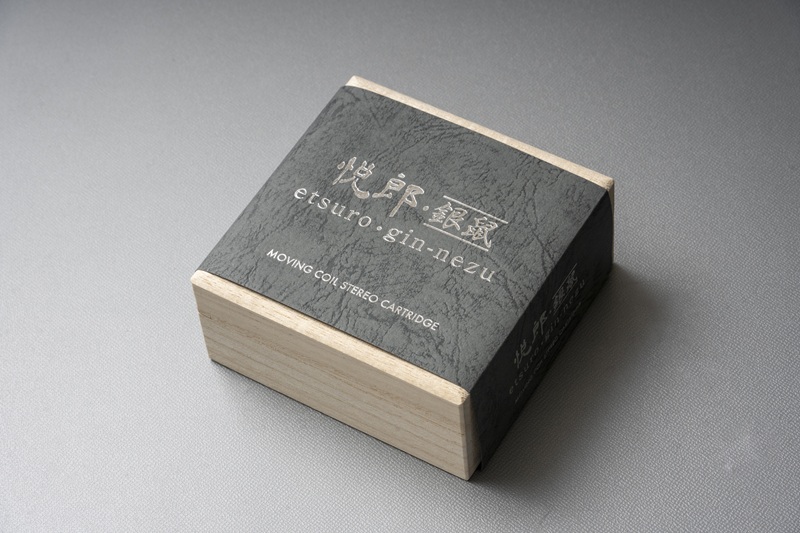
A small revolution at Etsuro, a brand of the Excel Sound group, which is releasing its first non ‘Urushi’ cartridge.
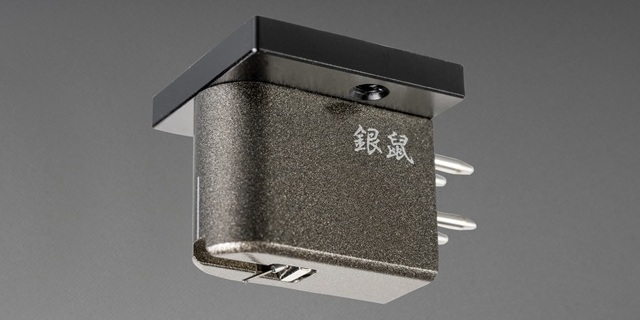
Named Gin-nezu (literally “silver-gray”), this cartridge largely retains the same specifications as the Urushi Cobalt (nearly twice as expensive), but features a boron cantilever with a diameter of 0.28 mm. Although already considered high-end, this material had not yet been used by the brand, which had opted for sapphire on the Cobalt and Bordeaux models and pure diamond on the Gold.
The chassis, made of A7075 super-duralumin, remains unchanged from the three existing models, but it is no longer coated with Urushi lacquer, as the Gin-nezu features a matte silver-gray finish. The 80-μm microline shaped diamond stylus remains the same as that found on the two higher-end series, with a tracking force still rated at 70 μm at 2 g.
And while the connectors are also in rhodium-plated, the coils in this MC (Moving Coil) cartridge have been redesigned, as the internal impedance rises to 5 Ω—a value that remains very low, but 1 Ω higher than the Gold (4 Ω) and 2 Ω higher than the Cobalt and Bordeaux (3 Ω!), while the channel separation boasts an excellent value of 30 dB (compared to 33 dB for the others).
Having already passed through our hands, this Etsuro Gin-nezu cartridge manages to retain the musicality and soundstage depth of the Etsuro Urushi, while offering a reduced price of 2 490 €. We’ll tell you more about it in detail very soon in a review!
Having been virtually unseen in our region in recent years, the Japanese Analog Relax cartridges are making a comeback in France, Belgium, the Netherlands, Luxembourg, and Switzerland through the distributor Ana Mighty Sound, which is now offering listening sessions at its new Paris location at 77 Avenue de Ségur.
With a lineup of five models, Analog Relax has developed a proprietary process for integrating the stylus into the cantilever. Called “IF adhesive,” this bonding method involves attaching very fine diamond particles to a special adhesive to fill the gap between the stylus tip and the cantilever hole. By firmly integrating the stylus tip with the cantilever, this results in a significant improvement in the amount of information reproduced and the sense of presence in the sound.
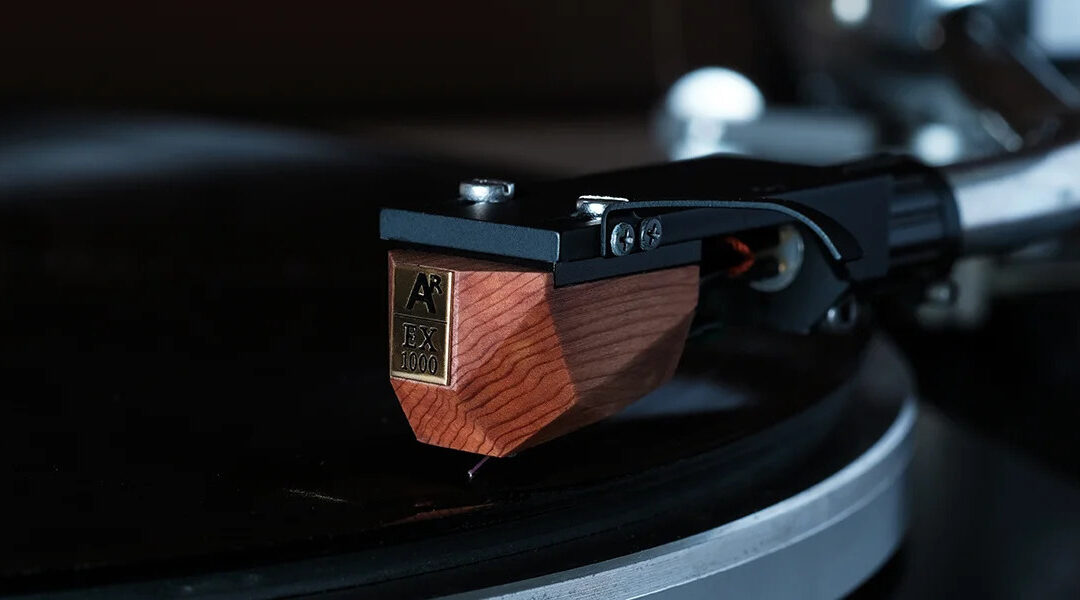
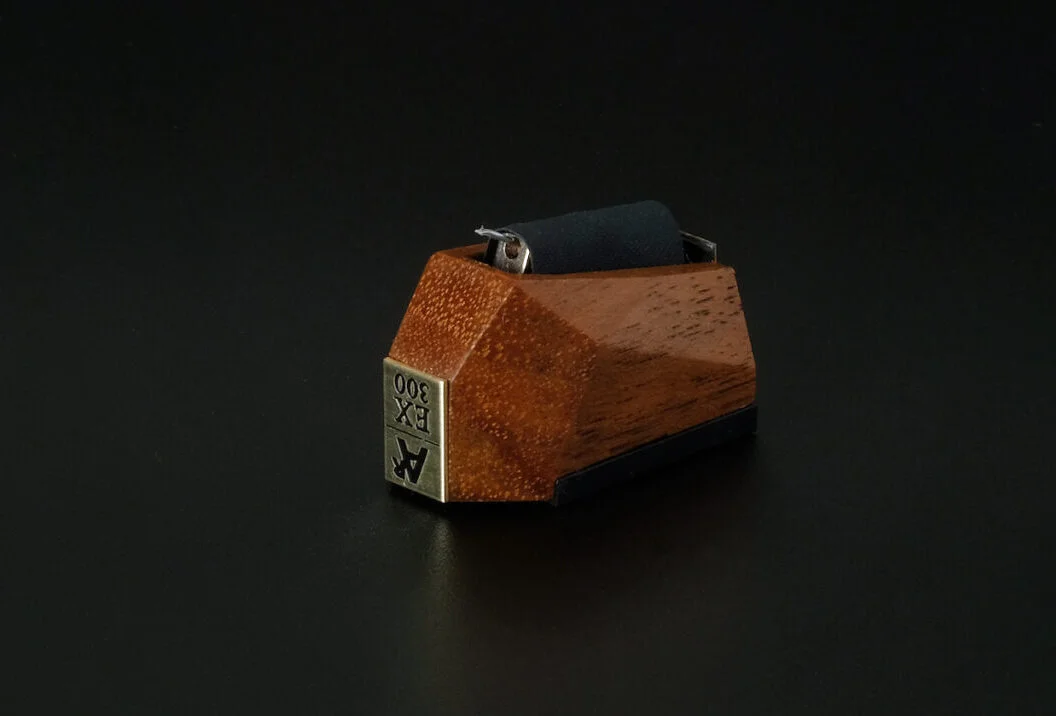
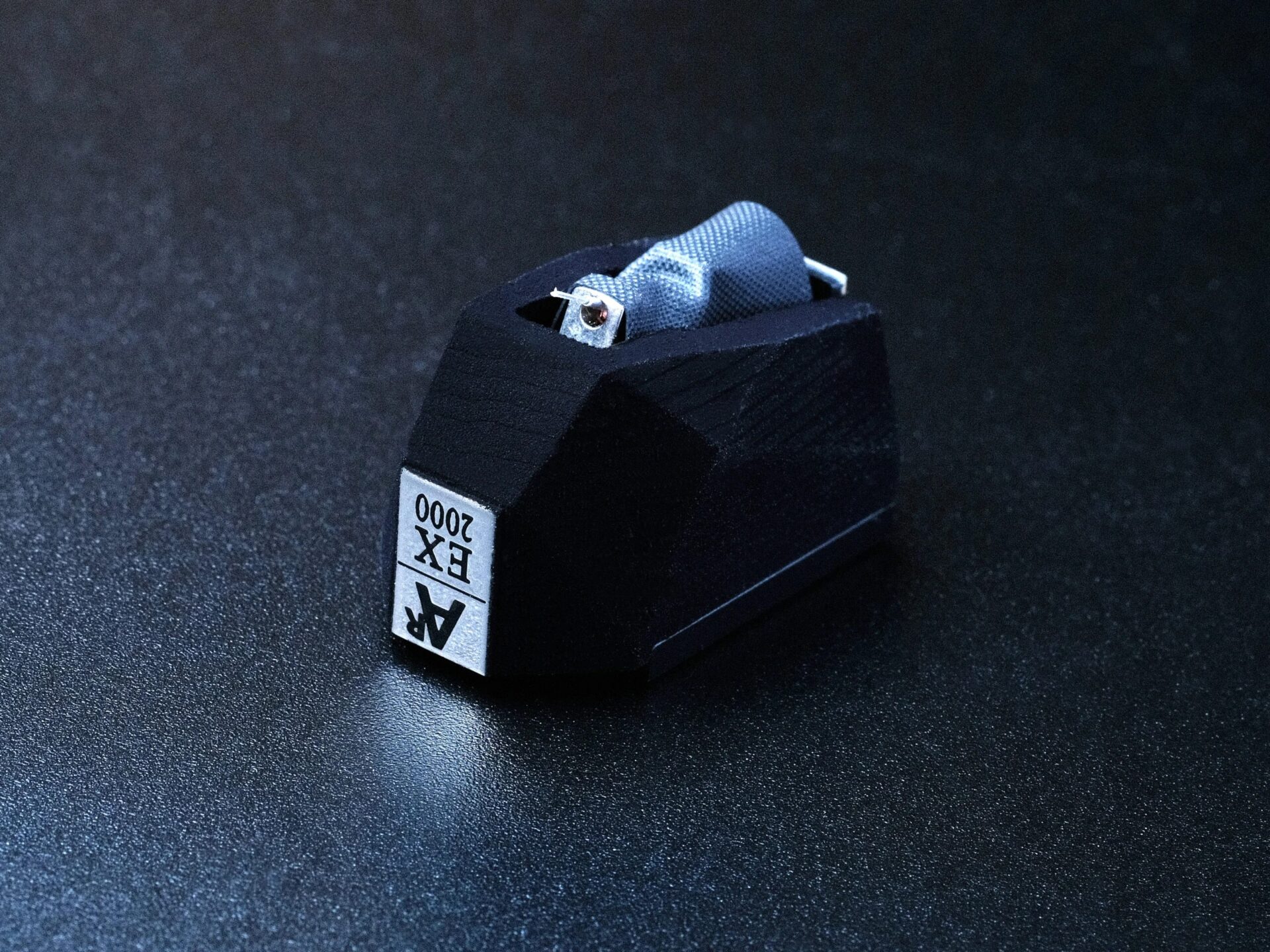
At the same time, all Analog Relax’s current cartridges have been updated thanks to the work of a new engineer, who has overhauled their entire manufacturing process. This redesign significantly benefits the moving coil design, which now features extremely low internal impedances: 4.5 Ω for the EX300 and EX700, and even 4 Ω for the EX500. The top-of-the-line models feature an impedance of 8.8 Ω, with ruby cantilevers and a rare Yakusugi cedar housing for the EX1000, and a diamond cantilever, pure diamond Super Curve Line Contact stylus, and a Tyrolean spruce chassis for the EX2000.
Featuring an elliptical diamond stylus on an aluminium cantilever, the EX300 kicks off the lineup at 2 890 €, delivering impressive results—you can read our initial impressions in the review of the J.Sikora Aspire turntable in VUmètre No. 64. At 4 990 €, the EX500 upgrades the elliptical stylus and features a solid Romanian hard maple body, typically used in violin making. The EX700 uses the same spruce wood as the EX2000, along with a boron cantilever; it is priced at 7 790 €, with the EX2000 costing more than double that (16 990 €) and the EX1000 falling in between (12 490 €).
Also worth noting, the brand offers two antistatic brushes and two ranges of cables in its catalog for connecting cartridges to a tonearm or headshell. We will tell you more about one of the cartridges we’ve selected for a full review as soon as possible.
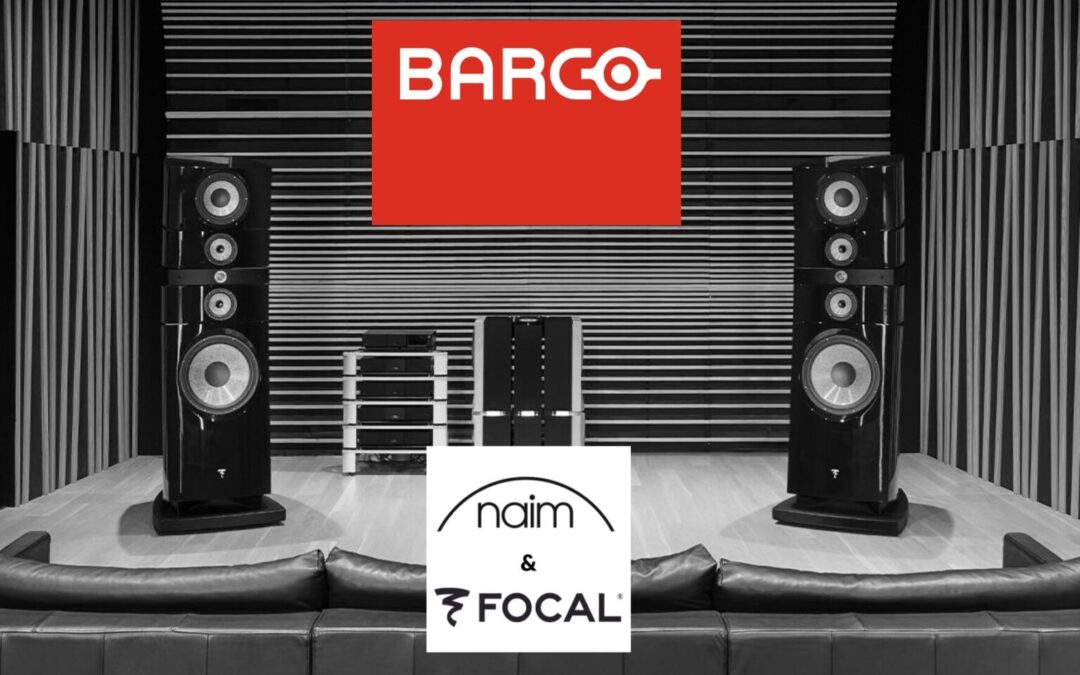
Pending final approval from the relevant authorities, the sale of VerVent Audio Holding for €135 million would bring the Focal and Naim Hi-Fi brands under Barco’s umbrella.
Just one year after Samsung acquired Masimo’s audio division (Bowers & Wilkins, Marantz, Denon, etc.) for $350 million and two years after Bose acquired the McIntosh Group (McIntosh, Sonus Faber, etc.), it is now VerVent Audio and its Focal-Naim brands’ turn to be acquired by a larger group.
Specializing in integrated audiovisual projection, as well as professional imaging solutions—particularly for the healthcare sector—the Belgian group Barco appears to be seeking products from Focal and Naim that are closer to high-fidelity and professional hi-fi.
With its Car Audio products and a strategy increasingly focused on hybrid and versatile solutions (Bathys headphones, Focal Diva Utopia speakers, MuSo, and MuSo Hekla), the Focal-Naim brands have already shown in recent years a tendency to break out of the mold of home hi-fi to tap into the massive market (>$5 billion) for connected audio and home theater integration.
Backed by a network of over a thousand retail outlets worldwide, including 80 dedicated Focal Powered by Naim stores or corners, the brands will be able to leverage the new group—which specializes notably in cinema projectors—to expand even further beyond high-fidelity. It remains to be seen whether this will bear fruit in terms of R&D and leave ample room to continue producing high-quality hi-fi products.
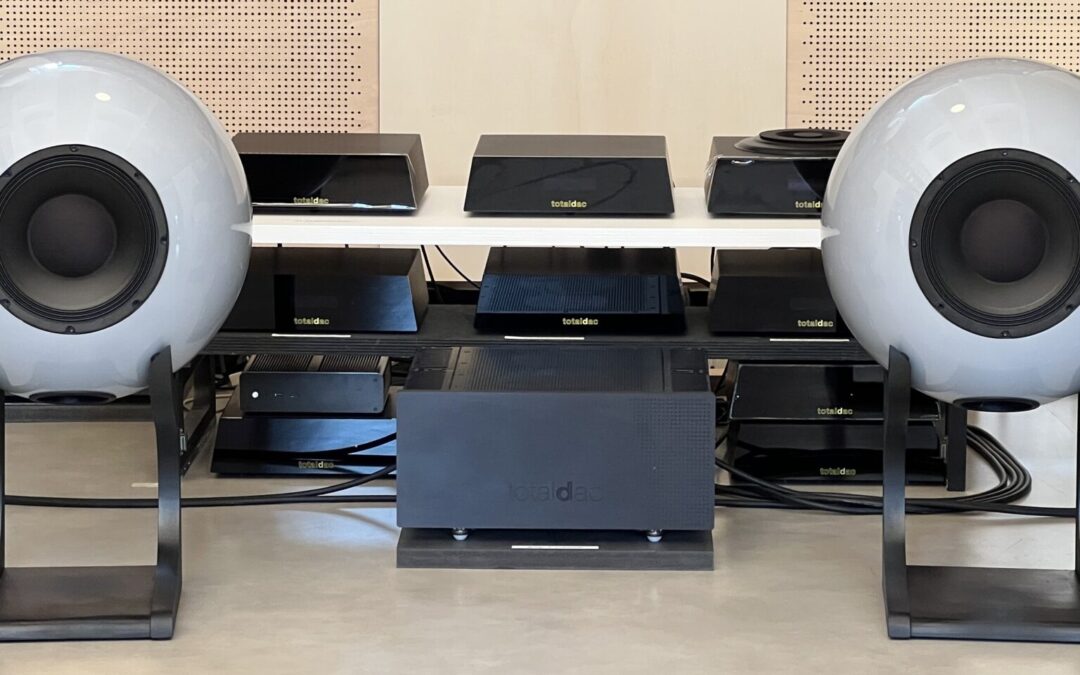
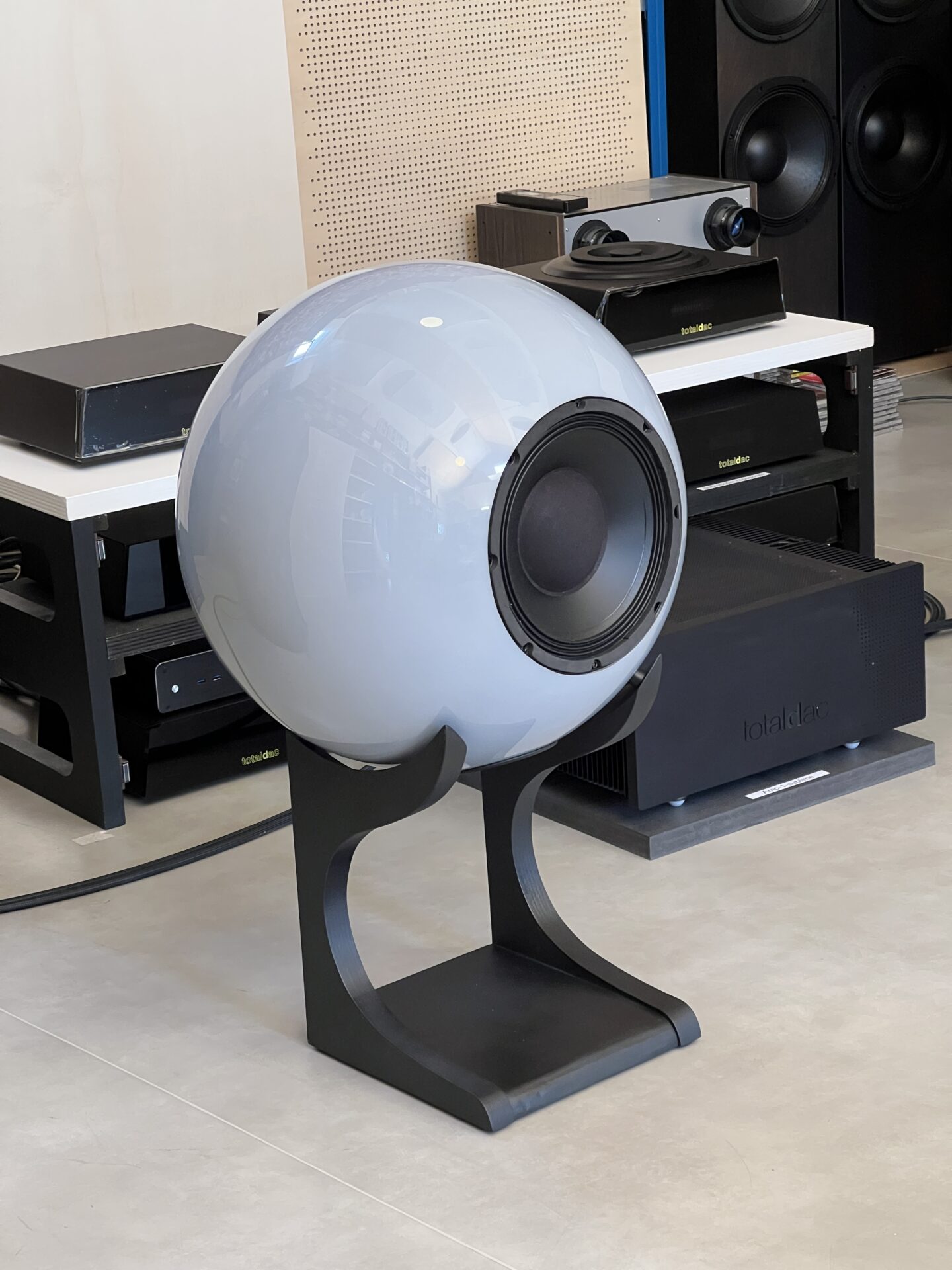
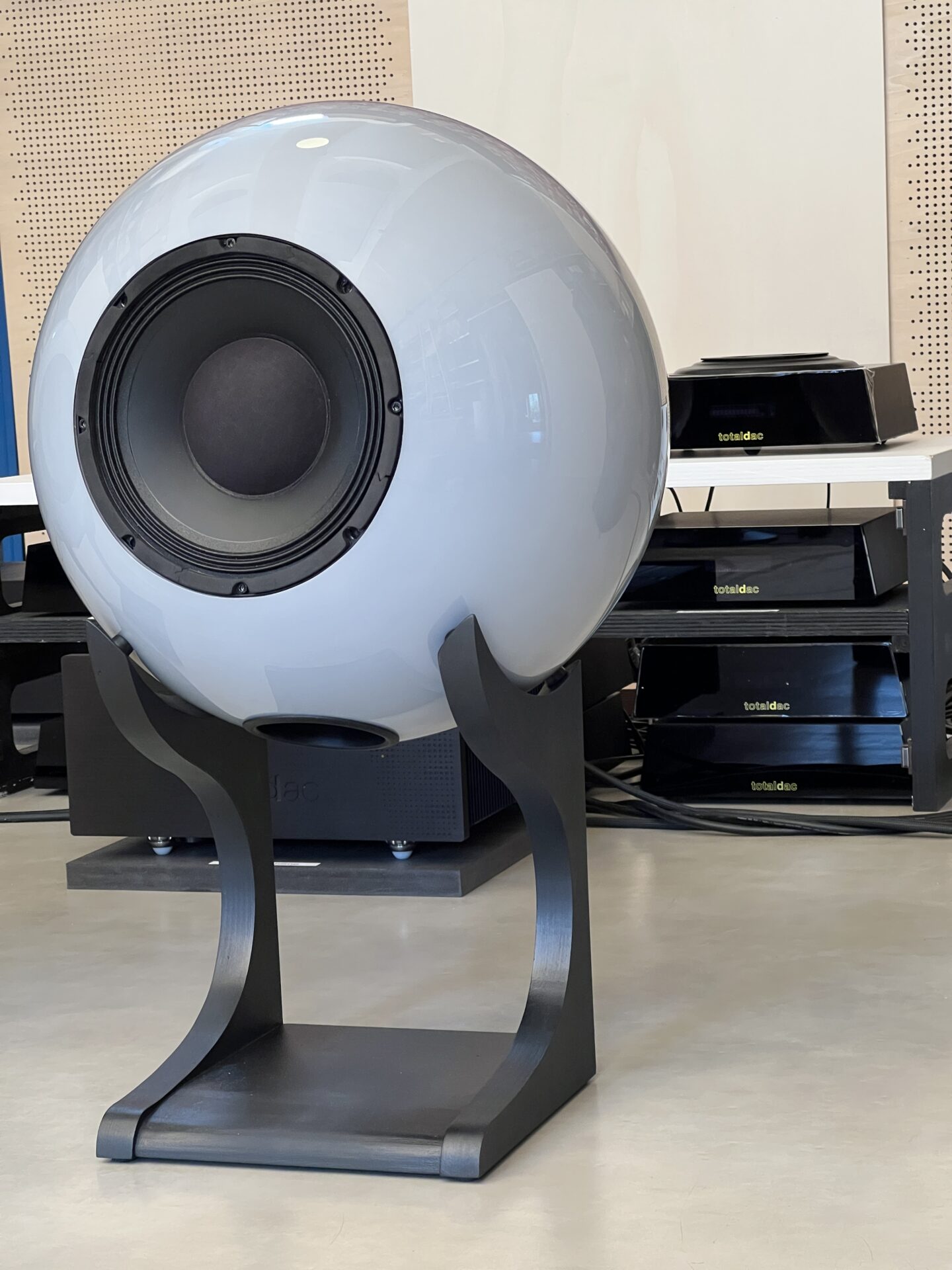
Best known for its DACs, Totaldac also offers a range of floorstanding speakers, which will be joined in early 2026 by a brand-new spherical model.
Called Balloon, this speaker uses a single 25 cm (10-inch) coaxial driver in a 2-way bass reflex design. Hidden in the center is a 25 mm (1-inch) tweeter, which allows the 50 cm (20-inch) diameter spherical speaker to respond over a frequency range of 40 Hz to 25 kHz.
Isolated in an internal enclosure, a filter incorporates Mundorf air coils and Claritycap capacitors, connected to each other in a point-to-point wiring design without a printed circuit board.
Manufactured by Vincent Brient in his workshop in Normandy, these passive speakers weigh 13 kg each and come with a dedicated stand. They can be connected to an amplifier via their rear Mundorf terminals, using banana plugs or spade connectors. With a sensitivity of 95 dB and an impedance of 8 ohms, this new model is clearly easy to integrate even with light amplification (e.g., tube amplifiers) and is sold for €15,000 including tax (per pair).
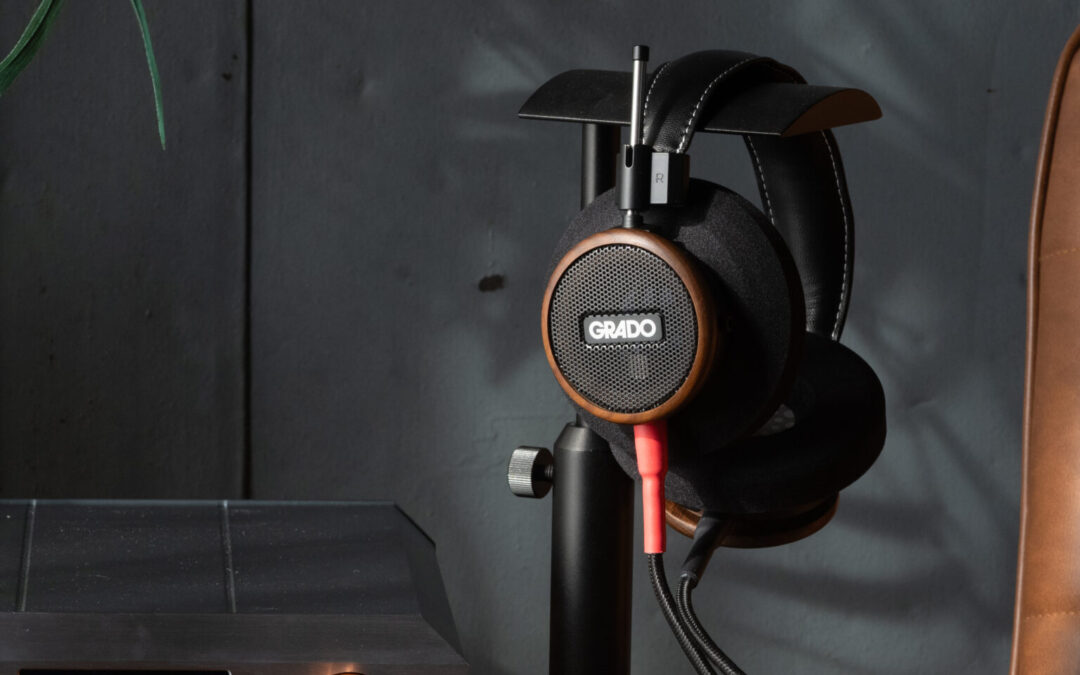
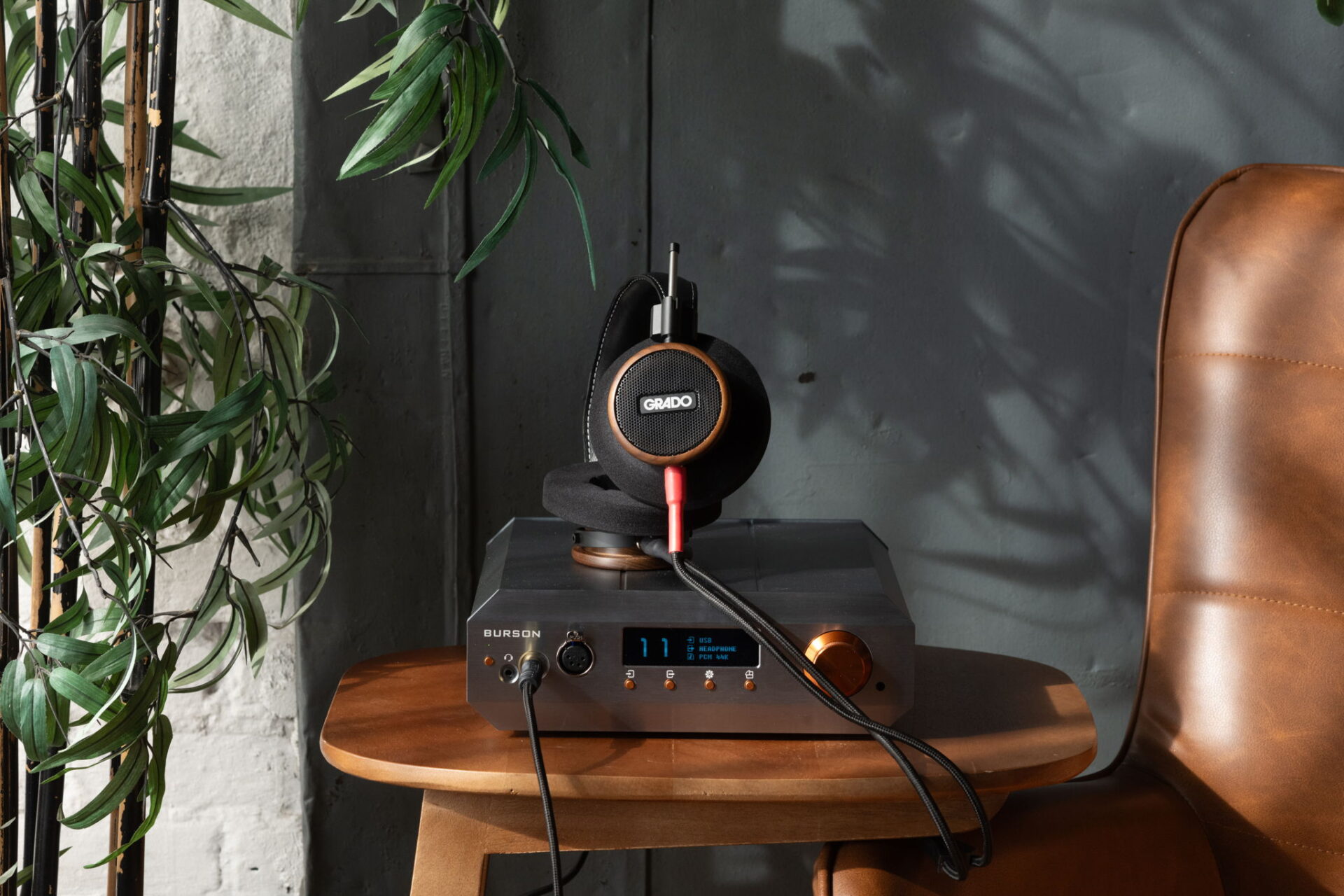
Back on track since last year, Grado continues to innovate and has announced the release of a fourth model in its Signature series this month.
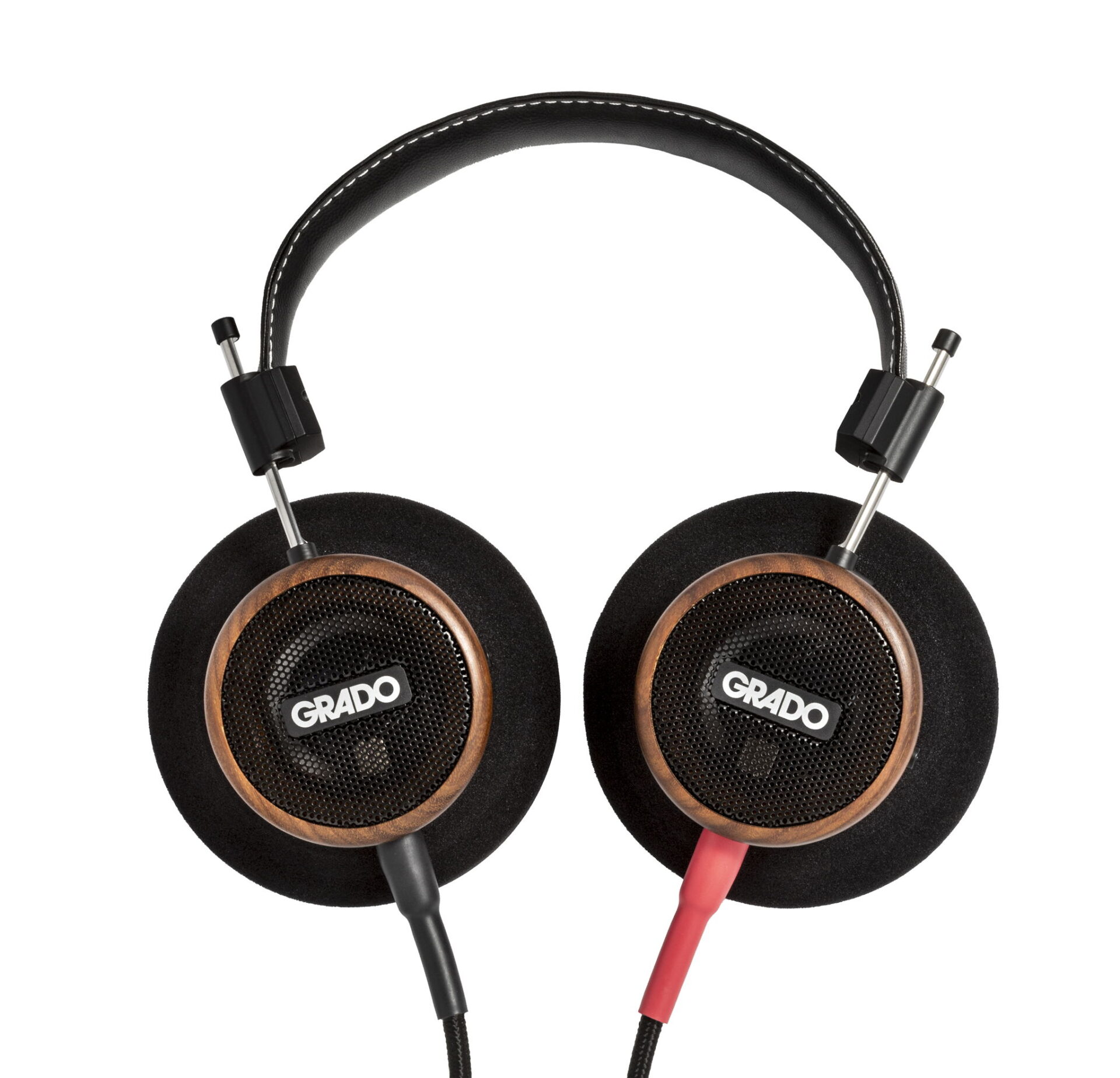
The Brooklyn-based manufacturer’s new range was launched in 2025 with the HP100 SE with metal ear cups and the S950 with wooden ear cups (tests in VU#60 FR). has since expanded at the end of the year with the S750 (test VU#63), which featured a new 50 mm (2 inches) S2 dynamic transducer and a new type of ‘B’ cushions ; two innovations found on the new S550 model.
Even more affordable than the other three models, as it is advertised as being 40% cheaper than the S750 in the United States (note that prices displayed there are always tax-free), this new model features a thin wooden ear cup, which can also be adapted to the S, F, L, and G foam models. It comes standard with a 6-foot (182 cm) detachable and interchangeable cable connected to the headphones via two 3.5 mm inputs and ending in a 6.35 mm plug. For a small additional cost, you can double the length of the cable or switch to a symmetrical 4.4 mm or 4-pin XLR version.
The manufacturer’s specifications for its new model are similar to those of the S750, with identical total harmonic distortion (THD) and nominal impedance, respectively less than 0.2% and 38 ohms. The SPL is slightly lower than 112 dB (compared to 115 dB), as is the frequency range, which is still very comfortable at 6 Hz to 44 kHz, but slightly lower than the 4 Hz-48 kHz of the S750 and even the 3.5 Hz-51.5 kHz of the S950.
We’ll tell you more as soon as we have the European/UK prices and the headphones in hand!