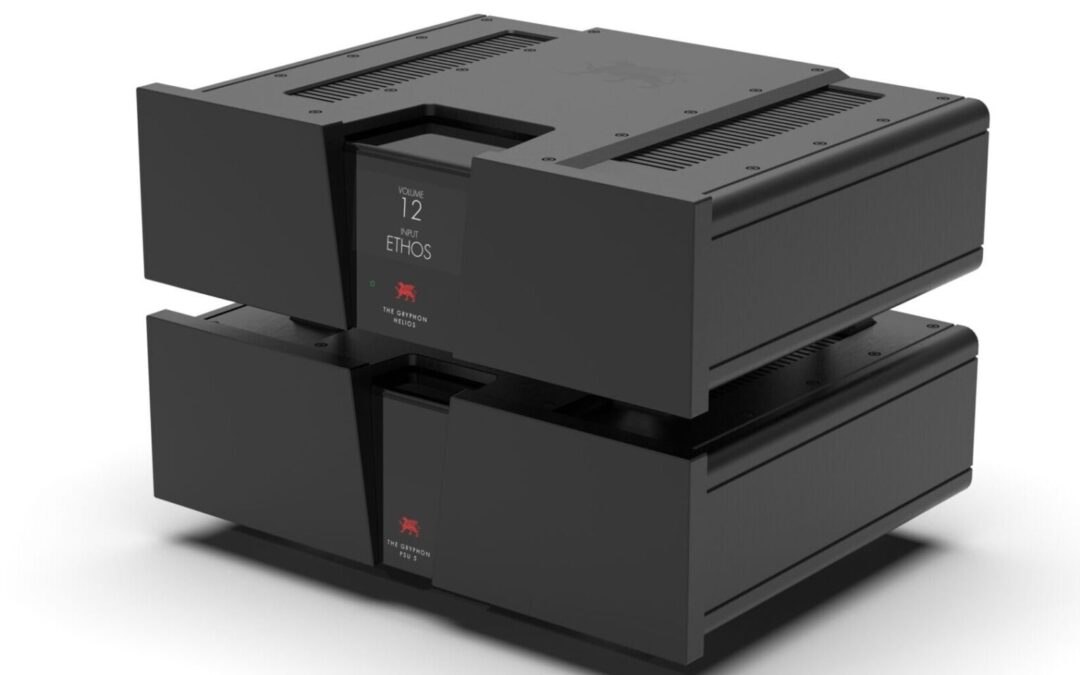
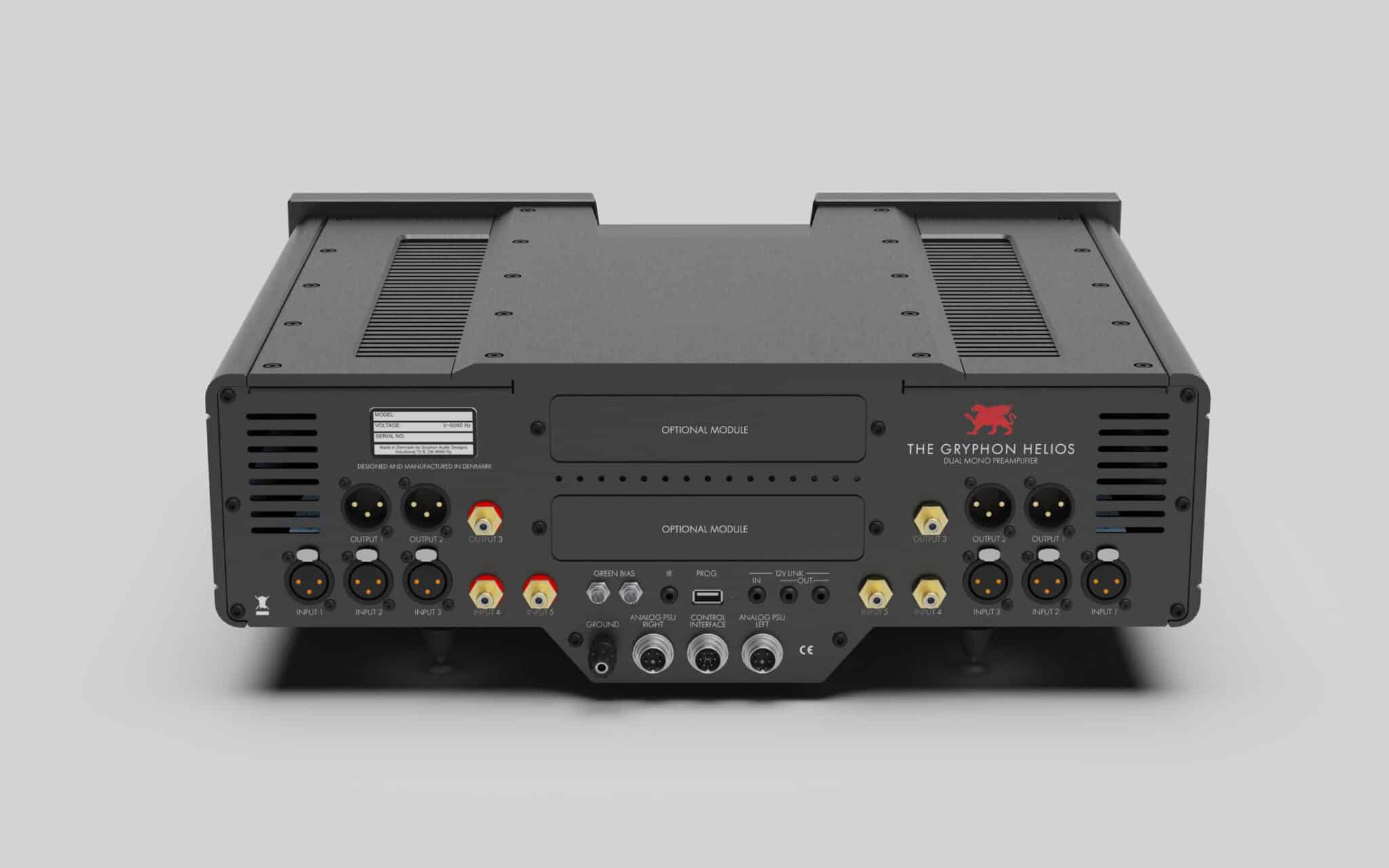
Billed as a worthy successor to the Pandora, the Helios sits between the Essence preamplifier and the flagship Commander.
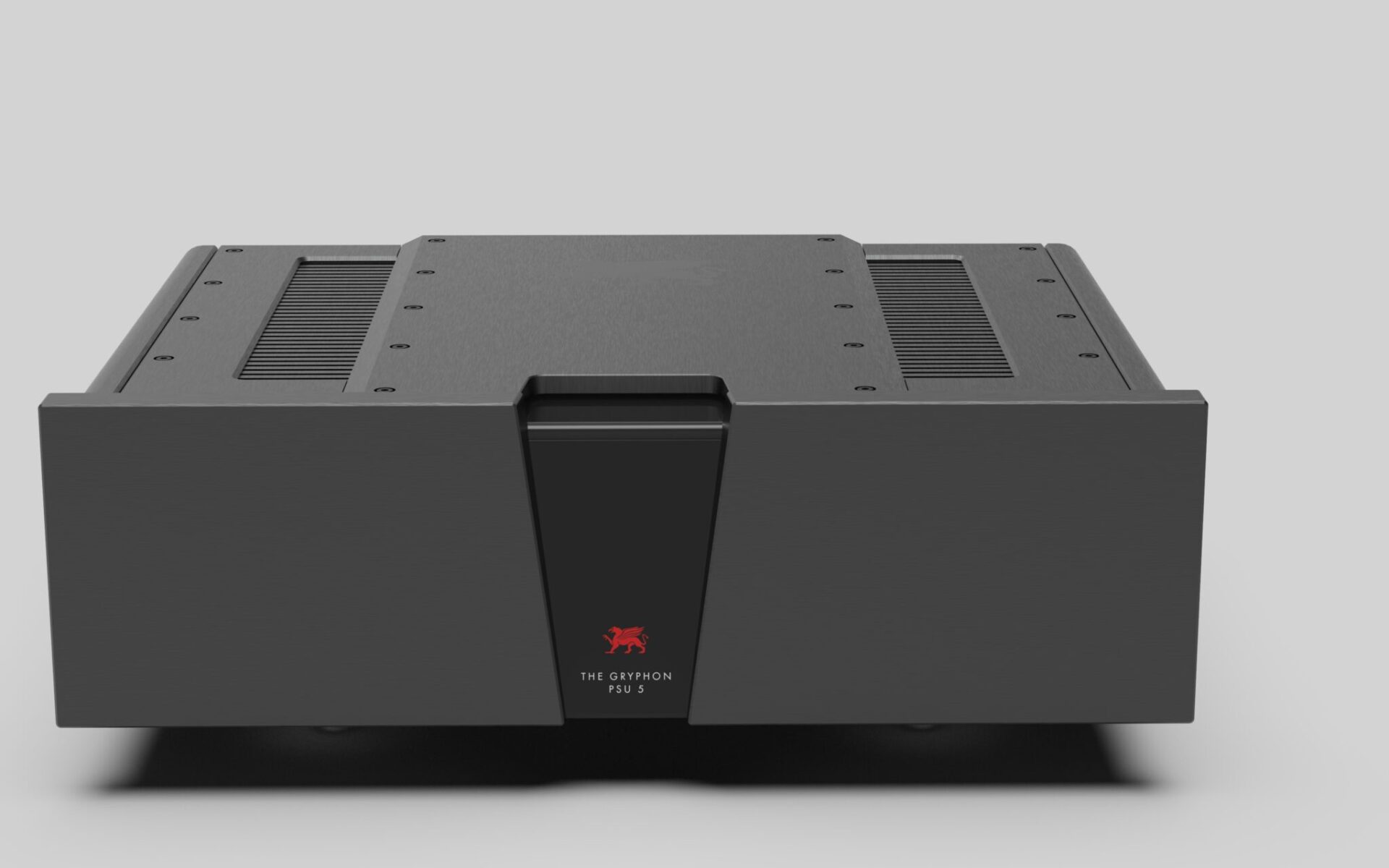
Designed to complement the recent Antileon Revelation, though naturally compatible with all power amplifiers on the market, this new Danish preamplifier must be paired with the new dual-mono PSU 5 power supply, also unveiled at the same time.
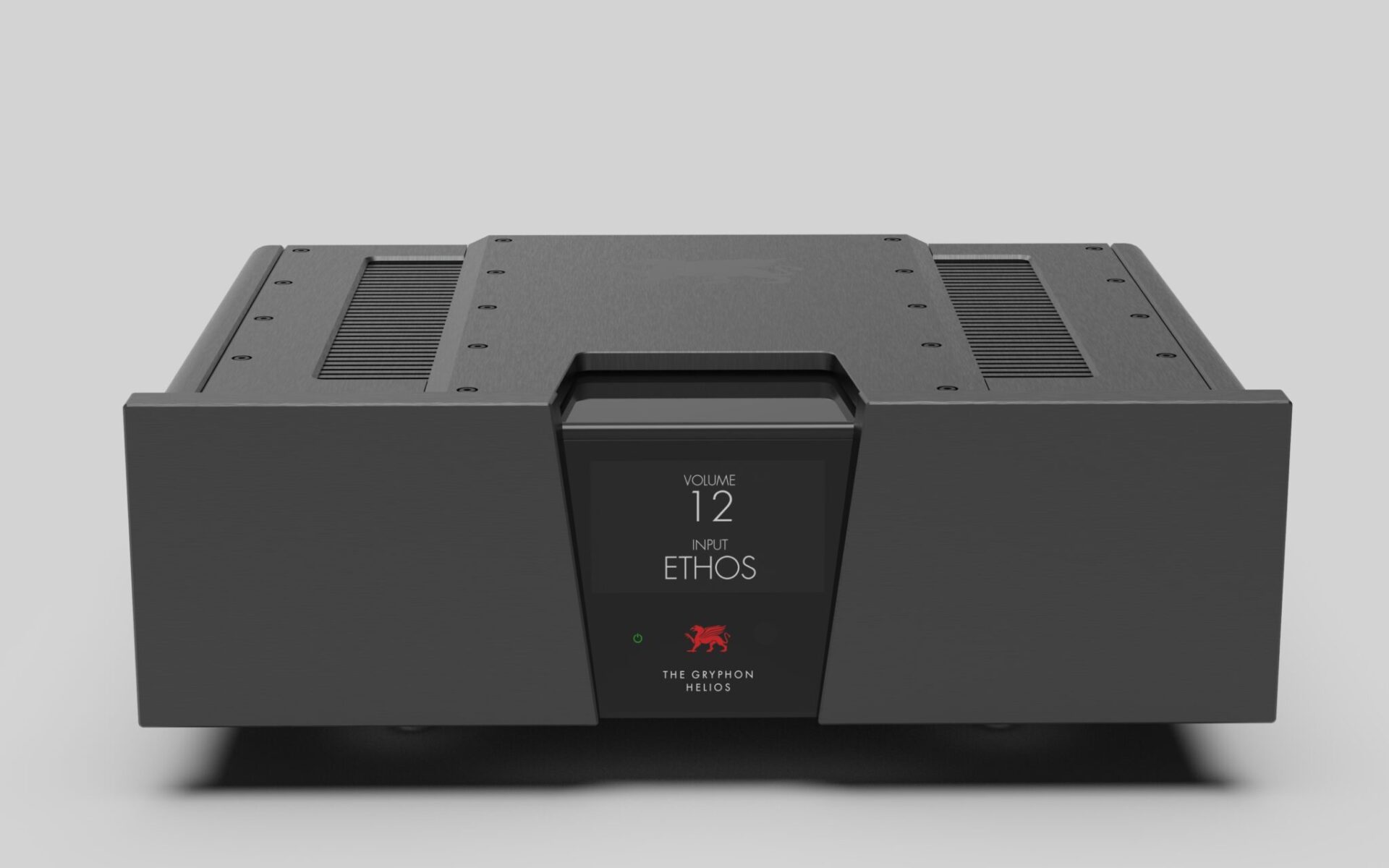
Designed by Tom Møller, the Helios’s pure Class A topology utilizes brand-new ultra-low-noise dual JFETs. Fully balanced, the circuits draw power from two 65 VA toroidal transformers coupled with large polypropylene capacitors, offering a total capacity of 83,000 µF per channel, with the output signal benefiting from a complete absence of global negative feedback.
Housed in an imposing CNC-machined extruded aluminium chassis, the pre-amp measures 17.3 cm in height and weighs 13.9 kg, whilst the PSU 5 retains the same dimensions but weighs a heavier 18.2 kg. On the front panel of the audio unit, a 4.3-inch (11 cm) TFT touchscreen, positioned behind a 4 mm-thick glass panel, allows you to view and select sources and volume, the latter controlled by a new 85-step relay attenuator.
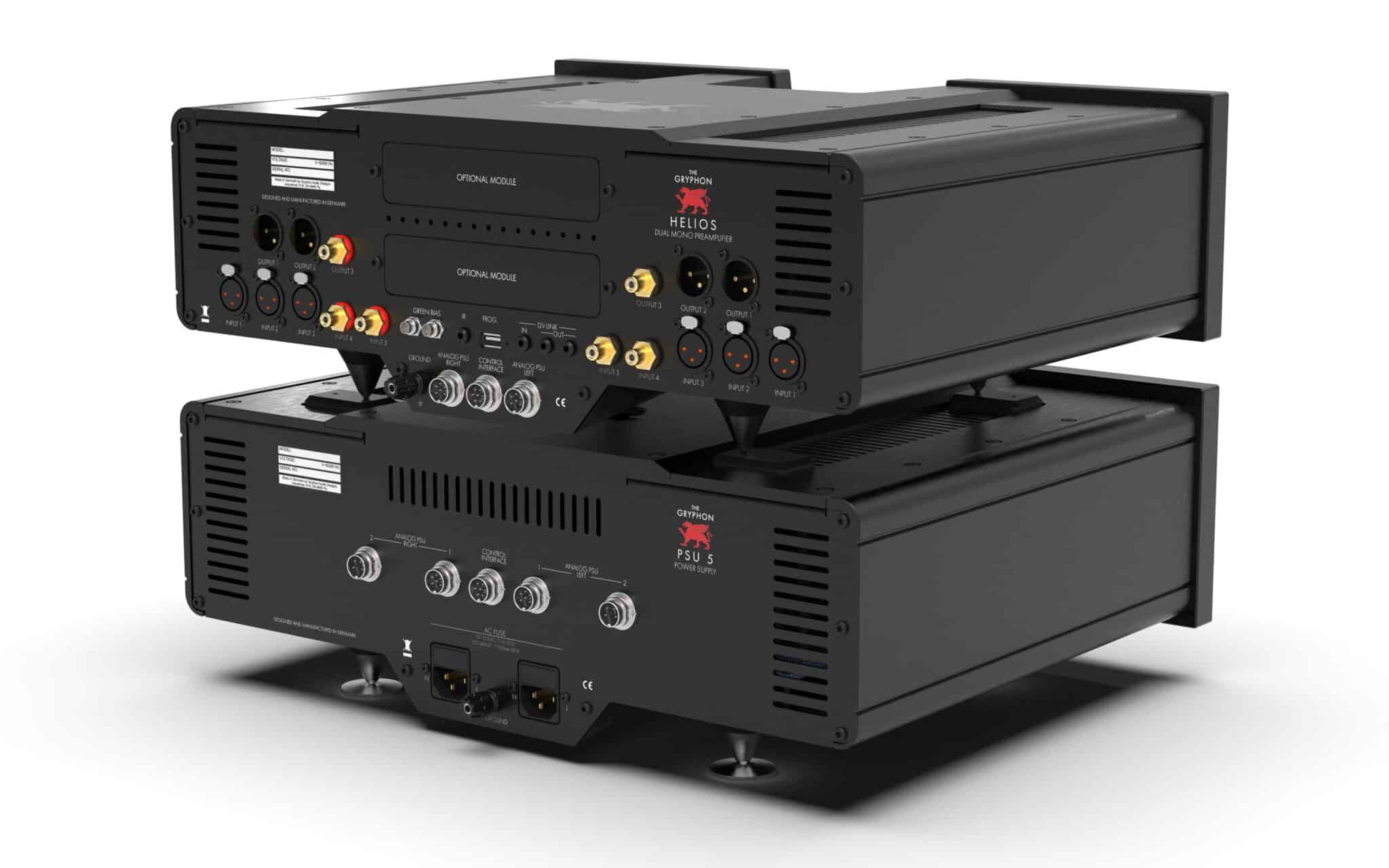
At the rear, the dual-mono design is evident as all the terminal blocks are completely separated between left and right. In addition to small 12V inputs/outputs and two ports for Green Bias, gold-plated Neutrik XLR balanced ports predominate, with two pairs of outputs and three pairs of inputs. RCA terminals have not been overlooked either, with two pairs of inputs and one output; inputs 3 (XLR) and 4 (RCA) can be configured for fixed volume.
And to make the Helios the core of your system, two extension slots allow you to add the DAC3 module with USB, S/PDIF, AES/EBU and TOSLINK inputs, as well as the PS3 MM/MC phono module, featuring 8 switches to adjust the load. However, this module is based on a single pair of XLR phono inputs, which should be taken into account when choosing your cable or turntable.
We will provide the prices as soon as they are confirmed by the distributor.
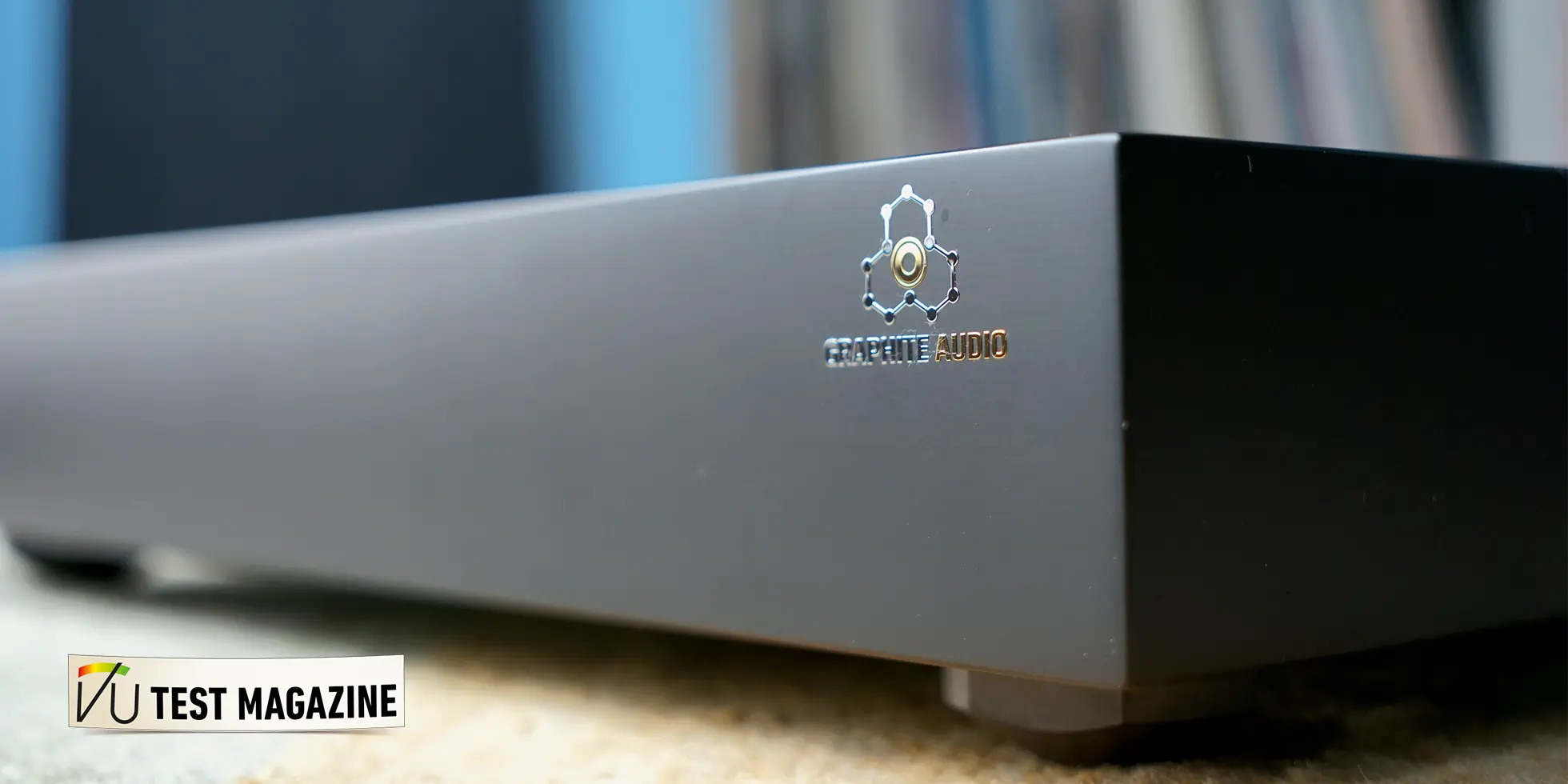
Founded in Poland in 2020, Graphite Audio is not the result of a brilliant DIY project, but rather of nearly three years of fundamental research into the vibrational behavior of devices. The creator’s credo is to help develop the most natural sound possible. An experienced audiophile himself, he has tested a wide range of solutions. He quickly realized that hyper-rigid materials were not at all suited to his specifications. He therefore banned all metal, steel, ceramic, and glass parts due to their tendency to color certain frequencies. On the contrary, he realized that it was important to use materials capable of providing natural damping in this type of device.
After a long series of in-depth tests on a wide range of available materials, he found that adding graphite to a unique polymer provided the most natural material for his accessories.
We had already had the opportunity to test the IC 35 Premium cones with very positive results. So it was only natural that we asked Graphiste Audio to lend us its new isolation platform.
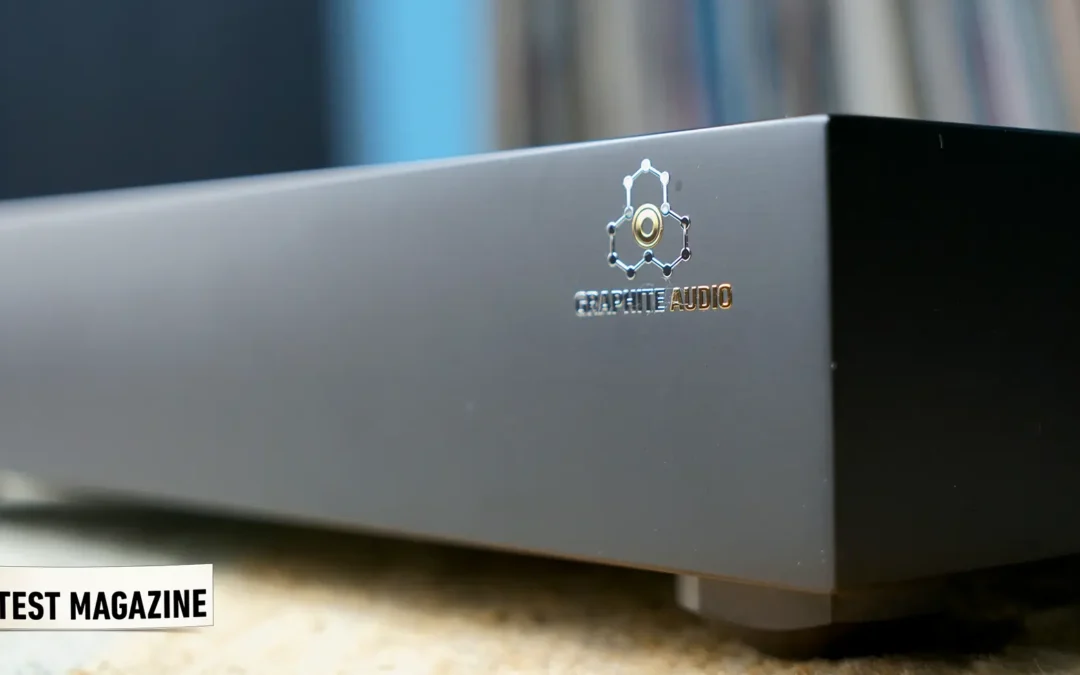
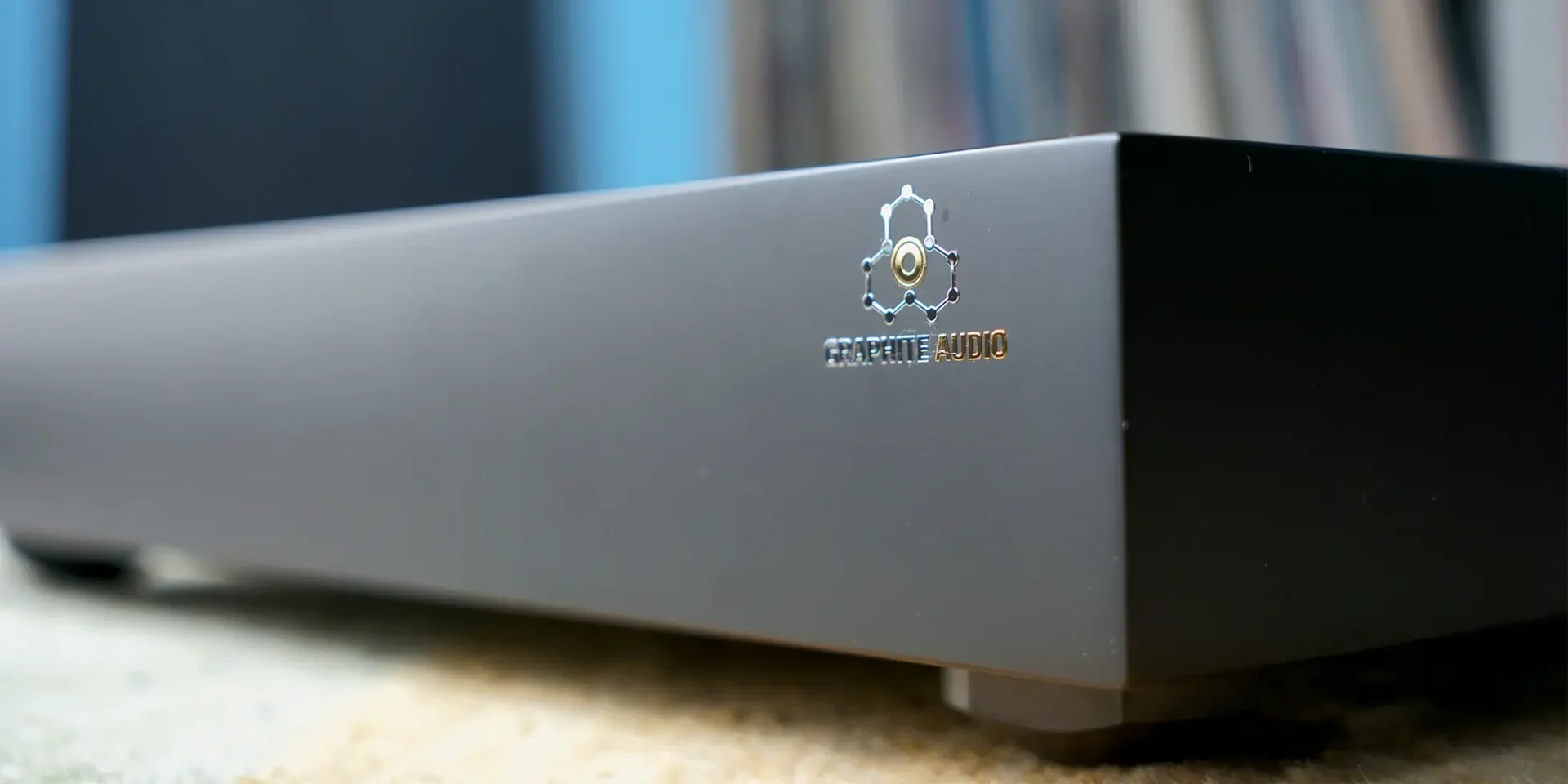
As its name suggests, the Classic 100 is 100 mm thick. Our test model arrived covered in an attractive satin black lacquer. The structure itself is composed of a succession of very thin layers of wood glued together. There are 140 of them!
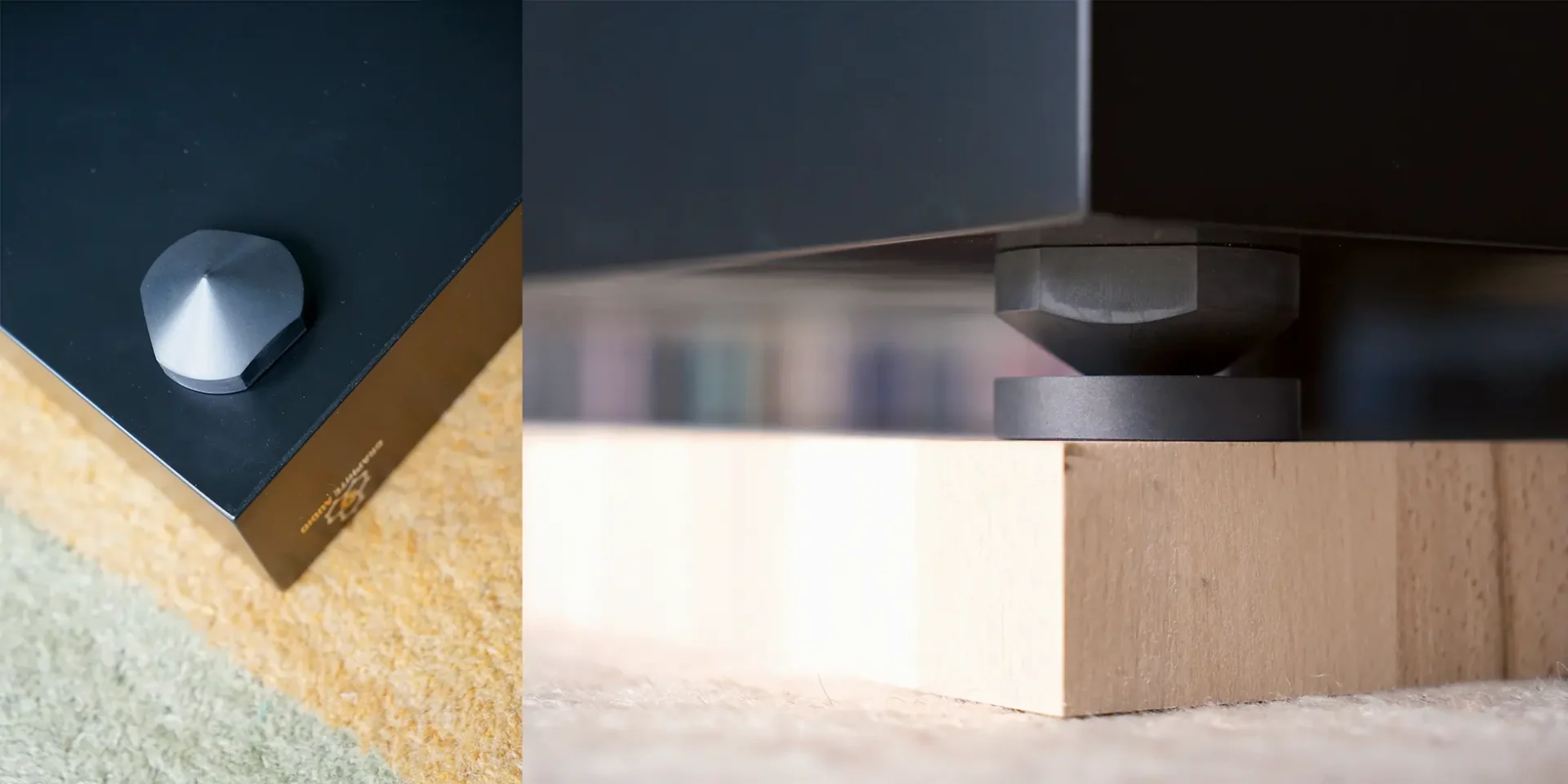
This highest quality plywood is very expensive, but offers the unique combination of being dense, inert, damped, and rigid—all the qualities sought after to get the most out of the most demanding audio equipment. Underneath the platform, four adjustable conical feet made of Graphite Audio polymer ensure perfect horizontality. They are combined with cups made of the same material. The special design of the feet and bases allows for micro-rolling of the platform.
The platform is available in a variety of finishes. If necessary, the size of the platform can be customized and made to measure.
THE SETUP OF THE GRAPHITE AUDIO CLASSIC 100
Although initially designed to be placed on the floor, the Graphite Audio isolation platform can also be placed on a rack or shelf, provided there is sufficient space and load capacity available. For our part, we have achieved excellent operating conditions on our Centaur L. We have tested the isolation platform with turntables, DACs, CD players, servers, and amplifiers.
You just need to make sure that your rack is strong enough to support the 15 kg of the platform in addition to your equipment.
THE SOUND OF THE GRAPHITE AUDIO CLASSIC 100
Of course, one can be skeptical about many very (too?) expensive devices designed to improve the sound performance of one’s hi-fi system. But here, you only need to place a device you know very well on this platform to realize that something special is happening. What strikes you immediately is the feeling of calm and contemplation. It’s a bit like the residual noise threshold of the system has been lowered.
Everything is more serene, more composed. The silences are felt with greater depth. As a result, the dramatic intensity of the reproduction is increased. And, of course, the dynamic behavior is affected, with more pronounced but also more flexible accelerations. Overall, the sound is softer and flows more smoothly. It seems that this platform also has an impact on the quality of the sound architecture, with a wider, better distributed soundstage, where the background is much more distinct. The clarity in terms of depth is greatly improved.
OUR CONCLUSION ON THE GRAPHITE AUDIO CLASSIC 100
Given the size and price of this accessory, it is inevitable to ask whether we recommend it. The answer is more subtle than that, because it’s all a question of proportion!
The more ambitious and powerful your setup, the more obvious the benefits of this platform will be. As you can see, we mainly recommend using the Graphite Audio tablet with high-end hi-fi systems where a significant investment has already been made. In this context, this tablet will enhance the performance of a high-quality source or amplifier.
We should point out that we have achieved the best results with tube electronics, probably because the Graphite Audio allows for perfect control of the microphonic effect of the tubes. Add to this a wide range of finishes, each more elegant than the last, and you have the ideal accessory for combining elegance and performance. An interesting alternative to consider if you want to get the most out of your high-end equipment.
Author(s): Pierre Fontaine
Technical Sheet: GRAPHITE AUDIO CLASSIC 100
Origin: Poland
Price: starting at €3,569
Dimensions (including feet): 495 x 465 x 100 mm (+/-3 mm)
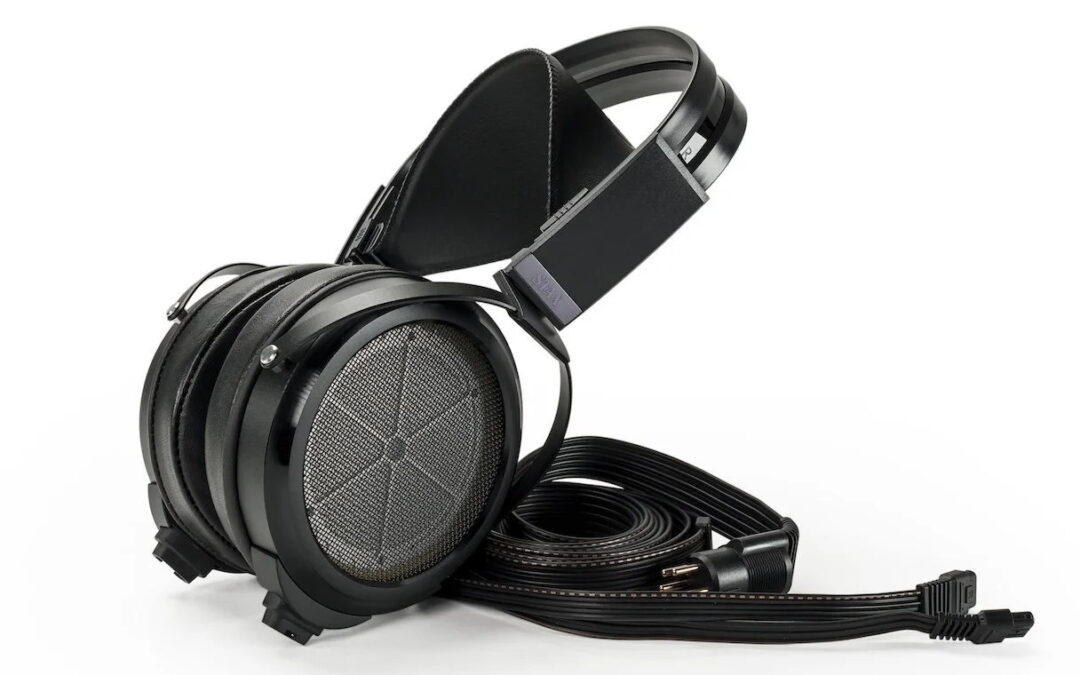
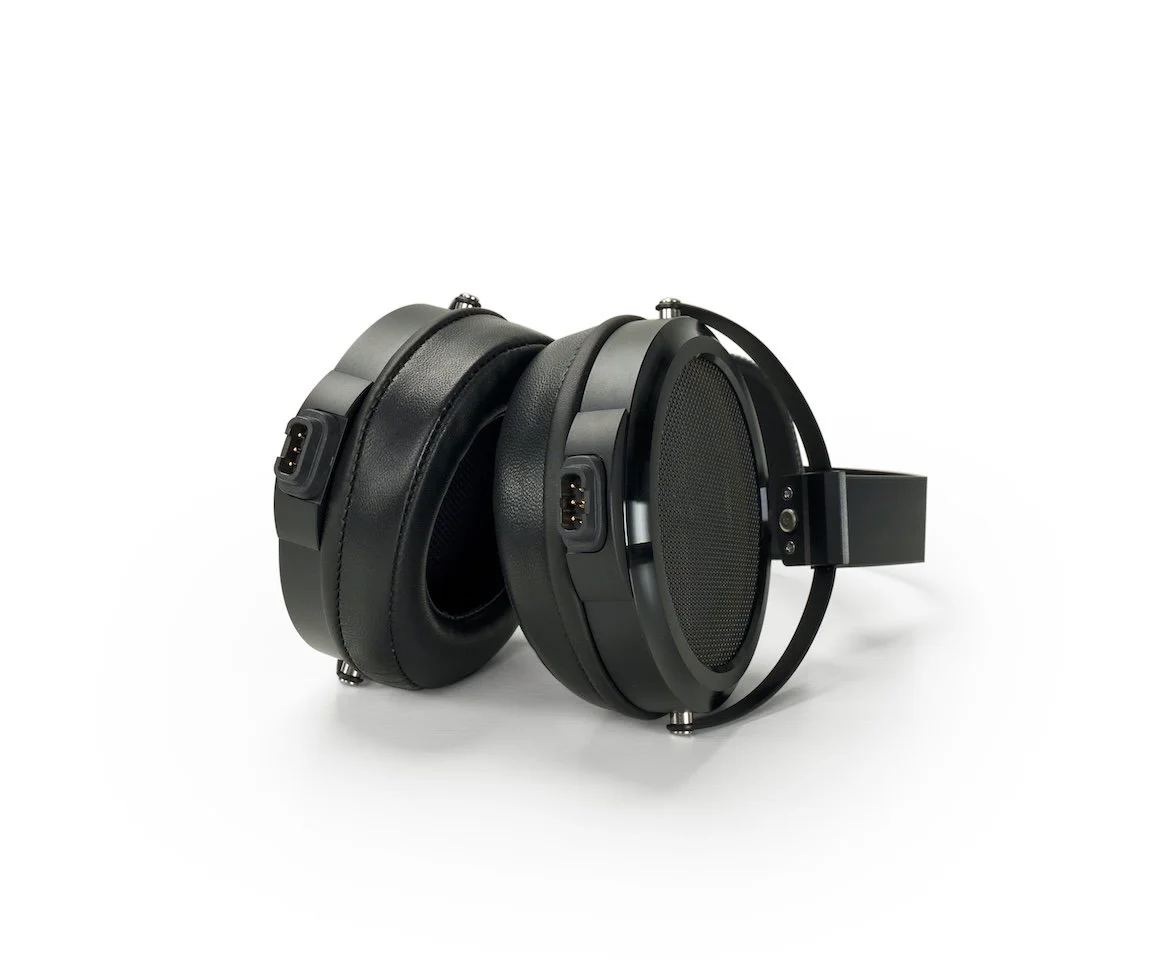
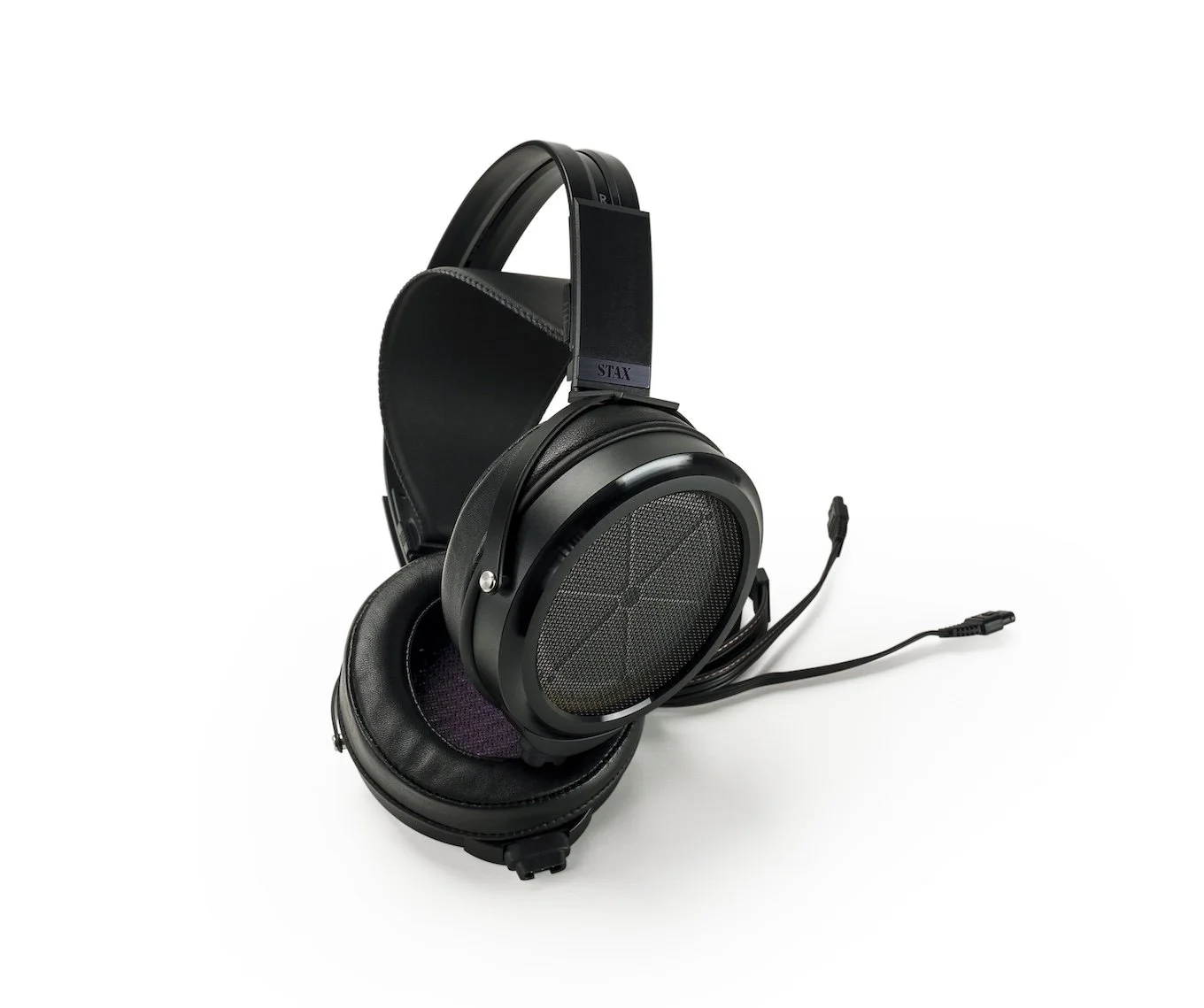
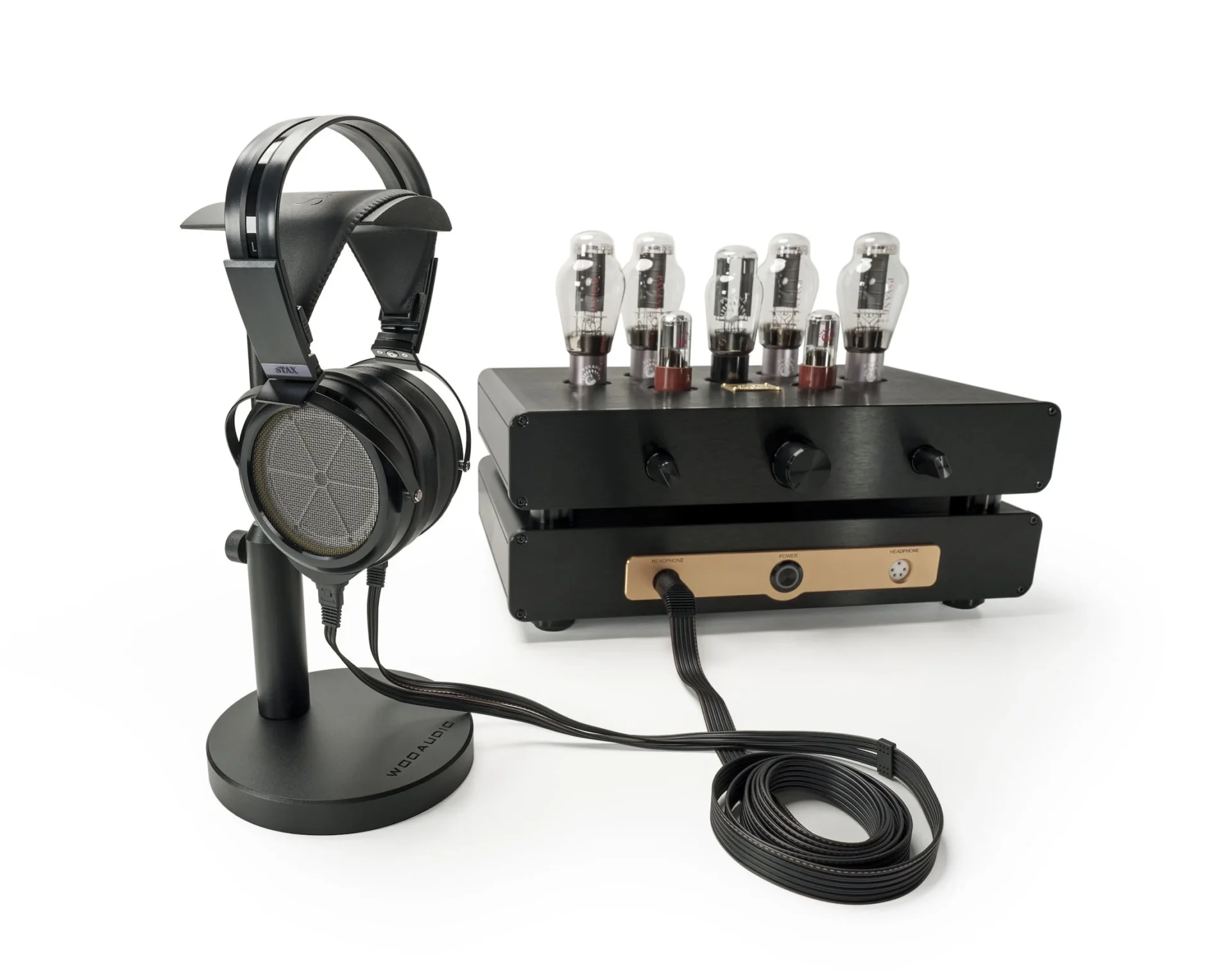
Between the recently released SR-007S (test VU#62 FR) and the SR-009S, derived from the flagship SR-009 of 2011 (test VU#03 FR), the famous Japanese brand of electrostatic headphones has responded to enthusiasts’ demands by reintroducing the SR-009D model.
More than 30% more affordable (3 700 € compared to 5 400 €), the new open-back headphone incorporates the technology of Stax’s two flagship models, but with a less expensive chassis and packaging. The fixed circular electrodes are therefore positioned on a patented MLR diaphragm that differs slightly from that of the SR-009S, with an outer rim benefiting from a new plastic molding technique, which also helps to keep the weight down.
Black rather than silver, the ear cups offer a more discreet look, but make good use of the new connectors on each side to attach a fully detachable cable. On this model, the cable is 2.5 m long, 6-strand OFC copper. An open-back design, the SR-009D retains synthetic leather on the sides of the ear pads and very soft sheepskin on the part in contact with the skin.
The weight remains almost identical to that of the SR-009, at one pound (452 g), as do the stated frequency response of 5 Hz to 42 kHz, the impedance of 145 kΩ, and the sensitivity of 101 dB (at 100V; 1 kHz). As mentioned above, the biggest difference therefore remains the price, and the packaging stripped down to the essentials, all to offer you, at a more affordable price, what is the hallmark of this Stax range: exceptional musicality.
After over a year in development, Audirvāna Studio is now available in version 3.0 for all Mac, Windows and Linux versions, as well as the Audirvāna Remote smartphone app for iOS and Android.
Featuring a new design called ‘Allegro’, the app has been improved in terms of usability and offers greater consistency across the three formats: computer, tablet and mobile. The brand admits that with this version, it aims to position itself amongst the best apps on the market, with simpler settings (or more advanced ones if you wish to utilize the numerous sound management options) and more intuitive information and functions.
Among other new features, Audirvāna Studio 3.0 now allows the new 10-band equalizer launched last year to be controlled via the Remote app as well. The Crossfeed function for adjusting the soundstage angle when listening via headphones (described on the Phonitor XE SPL in VU#56 FR; we’ll be testing it again soon in the iFi iDSD Phantom review in VU#65) also makes an appearance, along with a multi-channel balance feature, which allows for better speaker management when they cannot be positioned symmetrically in a room.
The Studio 3.0 version currently costs 7.99 € per month (Classic) or 6.66 € with a one-year Access subscription, i.e. 79.99 € per year. And if you’re already a subscriber, don’t change a thing – just update as soon as the update is available.
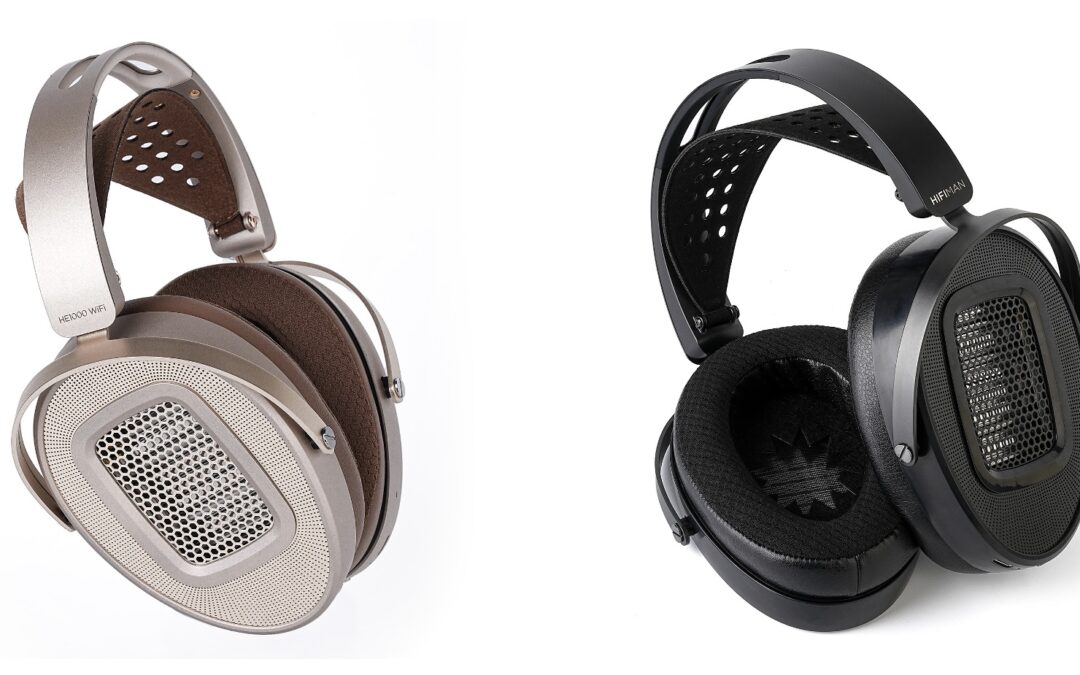
For nearly three years, Hifiman has primarily promoted the innovation in the ‘unveiling’ of its open-back headphones, which involved reducing the protection over the drivers to allow for better sound dispersion. Now, the manufacturer is adding WiFi connectivity to them.
Tested on the Susvara (VU#55 FR review) and then on the more affordable Ananda (VU#62 FR review), the Unveiled technology has recently improved most of Hifiman’s high-end models, as well as upgrading their planar magnetic diaphragms to a new generation with even thinner coils.
Now, the manufacturer is seeking to gain a technological edge over its competitors by doing away with cables, whilst maintaining musical quality. To this end, although recent Bluetooth chips are beginning to rival the internet, Wi-Fi remains the most reliable connection. That is why, from the start of this year, Hifiman is launching two models, including its excellent HE1000 (VU#24 FR review) and the Arya (VU#27 FR review), in brand-new Wi-Fi versions.
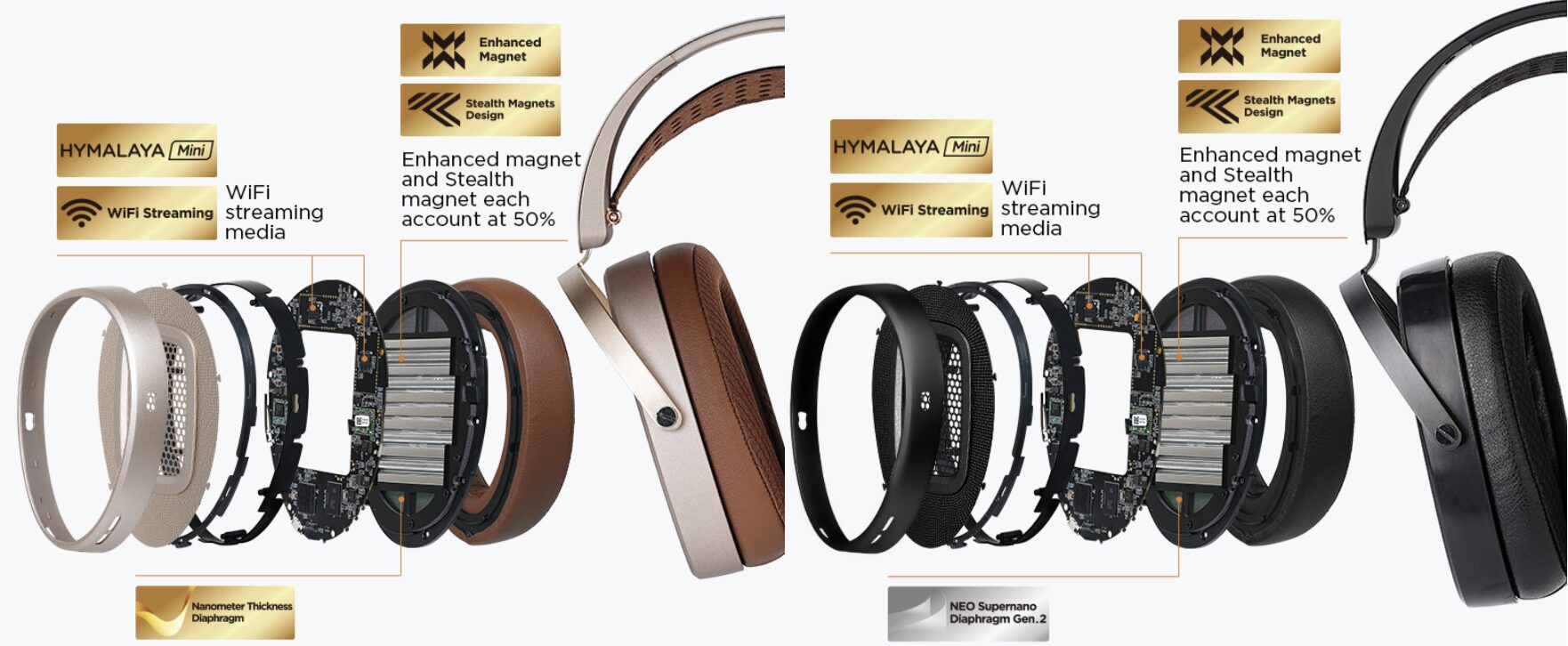
Equipped with the same module, both headphones feature a discrete mini DAC named ‘Hymalaya’ and developed by the brand’s engineers. Positioned inside around the left ear cup, this digital-to-analogue converter is paired with a power module and a Class AB headphone amplifier, as well as a network module. And to lighten these two 452g models, a new headband made from composite material saves 20 to 30g whilst improving the rotation of the ear cups. As true connected headphones, buttons appear on one of the ear cups to adjust the volume and settings.
And for the sake of ergonomics, both WiFi models also feature Bluetooth connectivity, which incidentally offers significantly longer battery life in this configuration—over 20 hours compared to just around 7 hours on WiFi. Thanks to the digital components, both DSD512 and 768 kHz/32-bit PCM can be decoded, with a USB-C port serving for both charging and wired listening.
Based on Nanometer Thickness technology, the HE1000 WiFi’s diaphragm remains superior to that of the Arya WiFi, which retains the already high-quality planar membrane of its wired counterpart, the Neo Supernano Gen.2.
As for prices, they are set at around 20% higher than the Unveiled models, at 2 959 € for the HE1000 WiFi and 1 599 € for the Arya WiFi. It will probably come as no surprise to you to hear that we have already received one of the two for a review to be published in our next issue…