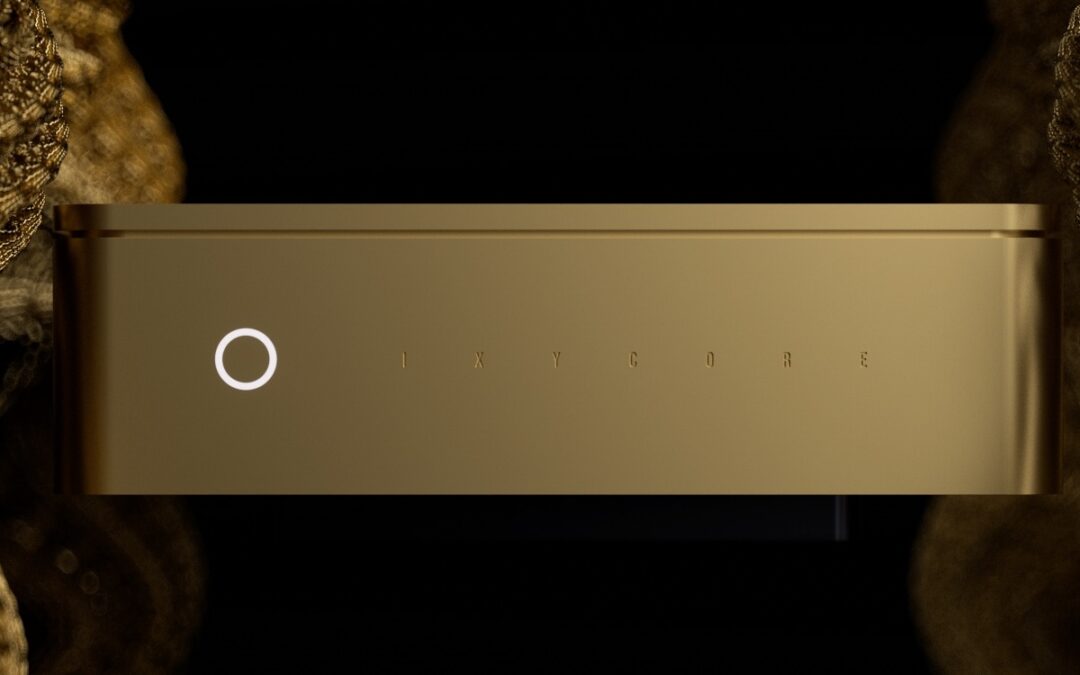
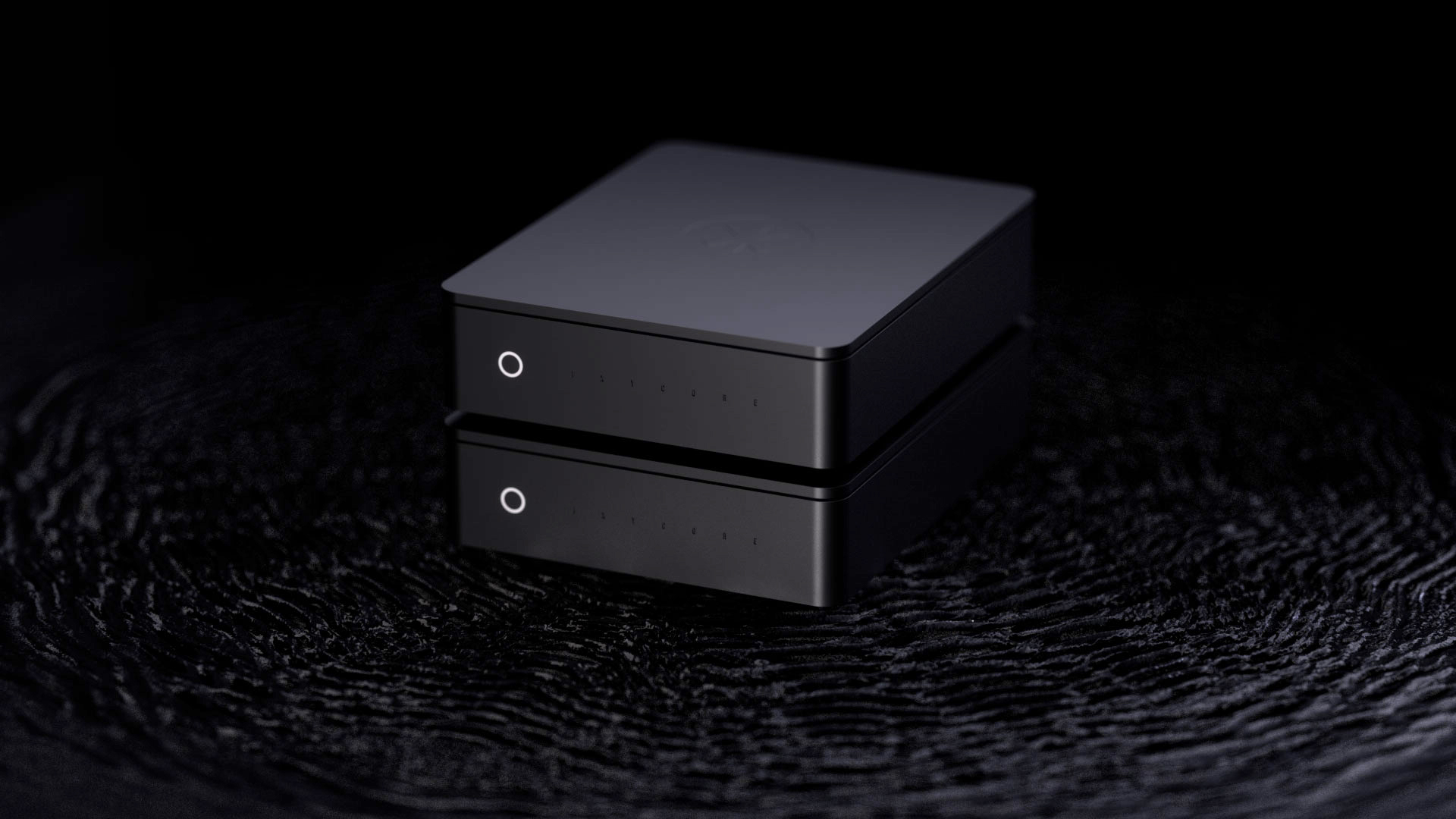
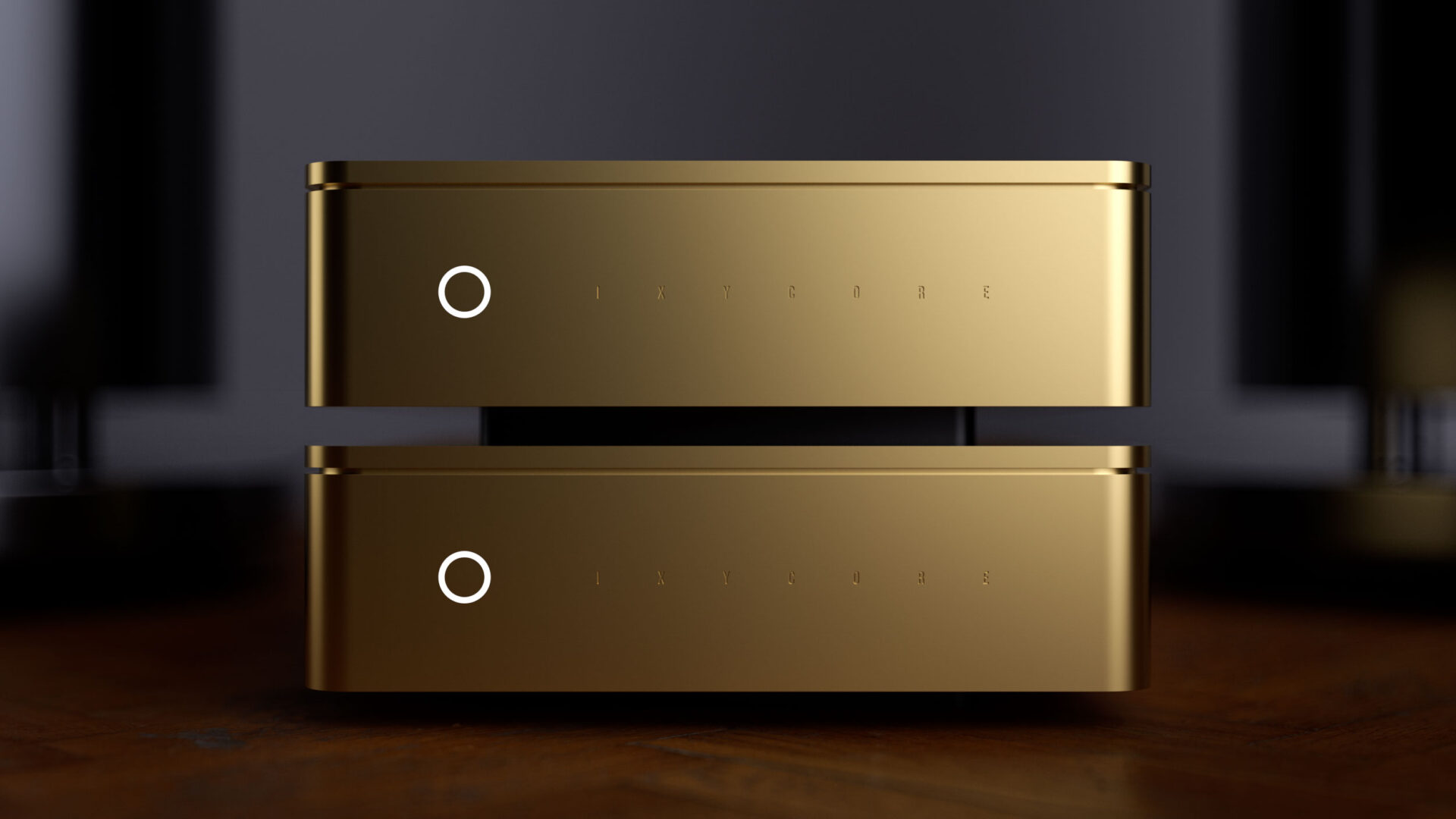
Building on the legacy of the Gemincore, created by engineers Nicola Lomuto and René Lambruschi in 2005, the Ixycore—now developed in collaboration with Frédérik Dezé—redefines Class D amplification by adopting GaN technology.
Based on Gallium Nitride (GaN) rather than the silicon used in MOSFET transistors, these transistors reduce switching time by more than 100 times (< 5ns) and offer excellent linearity and high power, without generating much heat.
To get the best out of them, GaN transistors require state-of-the-art drivers, with ultra-stable voltage regulation and a high-quality power supply. In this case, the new Ixycore stands out in this regard with a switching power supply (SMPS) also based on Gallium Nitride, delivering very high efficiency at a switching frequency of over 100 kHz.
With a rated power of 200 W into 8 Ω, these mono blocks double that output into 4 Ω and reach up to 800 W into 2 Ω. The phenomenal damping factor (20 000) is matched by ultra-low total harmonic distortion (THD+N) (<0.00005%) and a signal-to-noise ratio (SNR) of 140 dB.
The Ixycore is manufactured entirely in France. It is housed in a compact, compartmentalized black or gold aluminium chassis (two units measuring 300 x 65 x 240 mm each) and is lightweight (4.5 kg -9 Ib- per unit). Offering the most efficient connections, it features RCA and XLR input terminals and connects to the mains via an IEC socket, as well as to another device via a 3.5 mm trigger socket. We hope to tell you more soon!
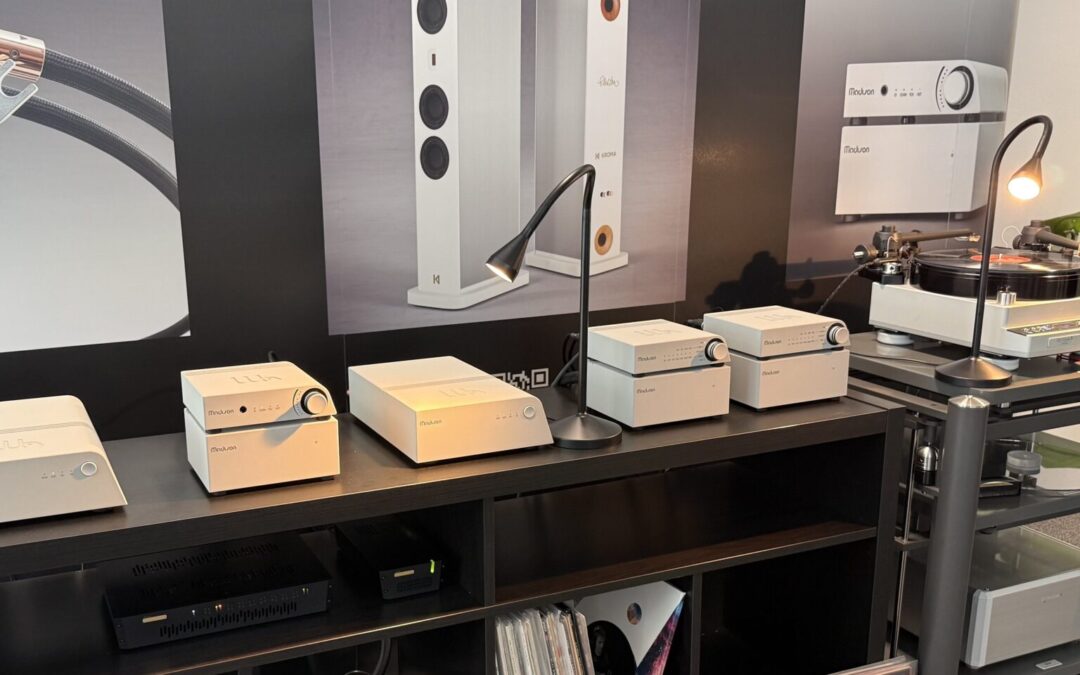
Following CH Precision’s acquisition of Wattson Audio, the Madison range saw the Streamer undergo a minor update (review VU#59 FR), before the power amplifier (Madison Amp) and a separate power supply (Power S; review VU#63 FR) were introduced.
At the same time, we knew that the engineers were working on a phono preamp, based on the same technology as the CH Precision phono module (described in our review of the I1 integrated amp; VU#52 FR), utilised on a grand scale in the P1 phono preamp (review VU#49 FR) and even more impressively in the P10 presented in Munich two years ago.
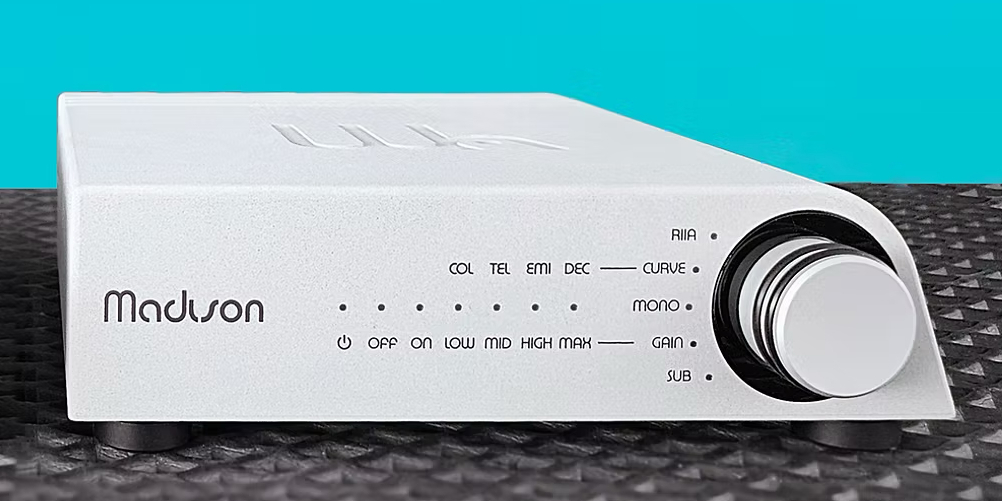
The first distinctive feature of this new Madison Phono -which will no doubt surprise many of you- is that it uses digital processing to read the analogue signal! Quite astonishing, the process had blown us away on the phono module and seemed just as convincing on first listen at the Tech Gate show in Vienna (right next to the High End).
The second distinctive feature: this new preamp must be selected at the time of purchase (or modified later) for a specific cartridge type. It can be set to read MM or high-output MC cartridges, or alternatively to read the lower-level signal from conventional MC cartridges or the photoluminescent signal (which is also totally analogue) from DS Audio cartridges.
This highly complete Madison Phono offers numerous options, including EQ curves other than the RIAA curve (EMI, Teldel, Decca, Columbia), as well as a wide variety of gain levels and a subsonic filter. Incidentally, if you opt for the DS Audio version, to our knowledge it is currently the only phono preamp in the world to support the aforementioned curves for these cartridges.
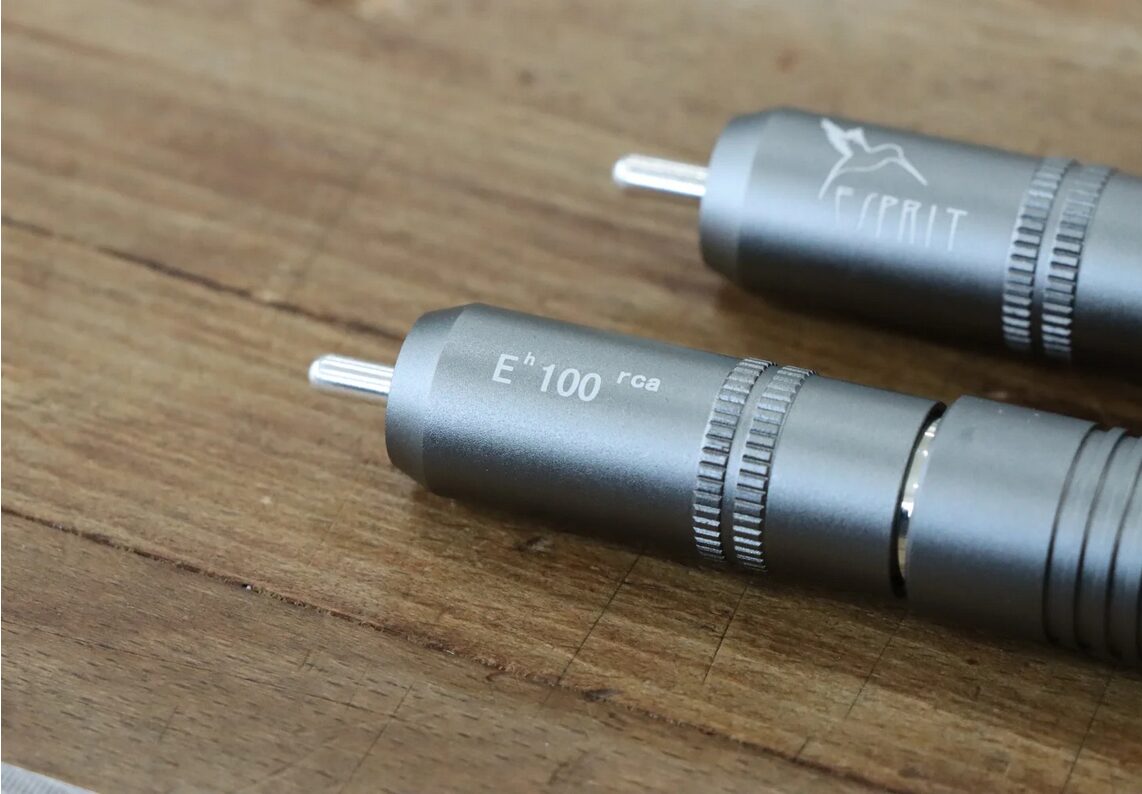
For the past few years, Esprit has used the High End trade shows in Munich to launch its own range of speakers. Following the compact Stella and the Amelia floorstanding speakers in 2024 (review VU#54FR), the more imposing Lisa was added last year (review VU#63 FR), still very much present in the demonstration room in 2026, but this time intended primarily to showcase the entire Eureka Gen X cable range.
For this first ‘High End’ in Vienna (remember that the former venue for the Munich show was no longer available, having been taken over by BMW), it is once again with cables that the French manufacturer is making its mark. And with good reason: the entire range is moving from G9 to the new Generation X.
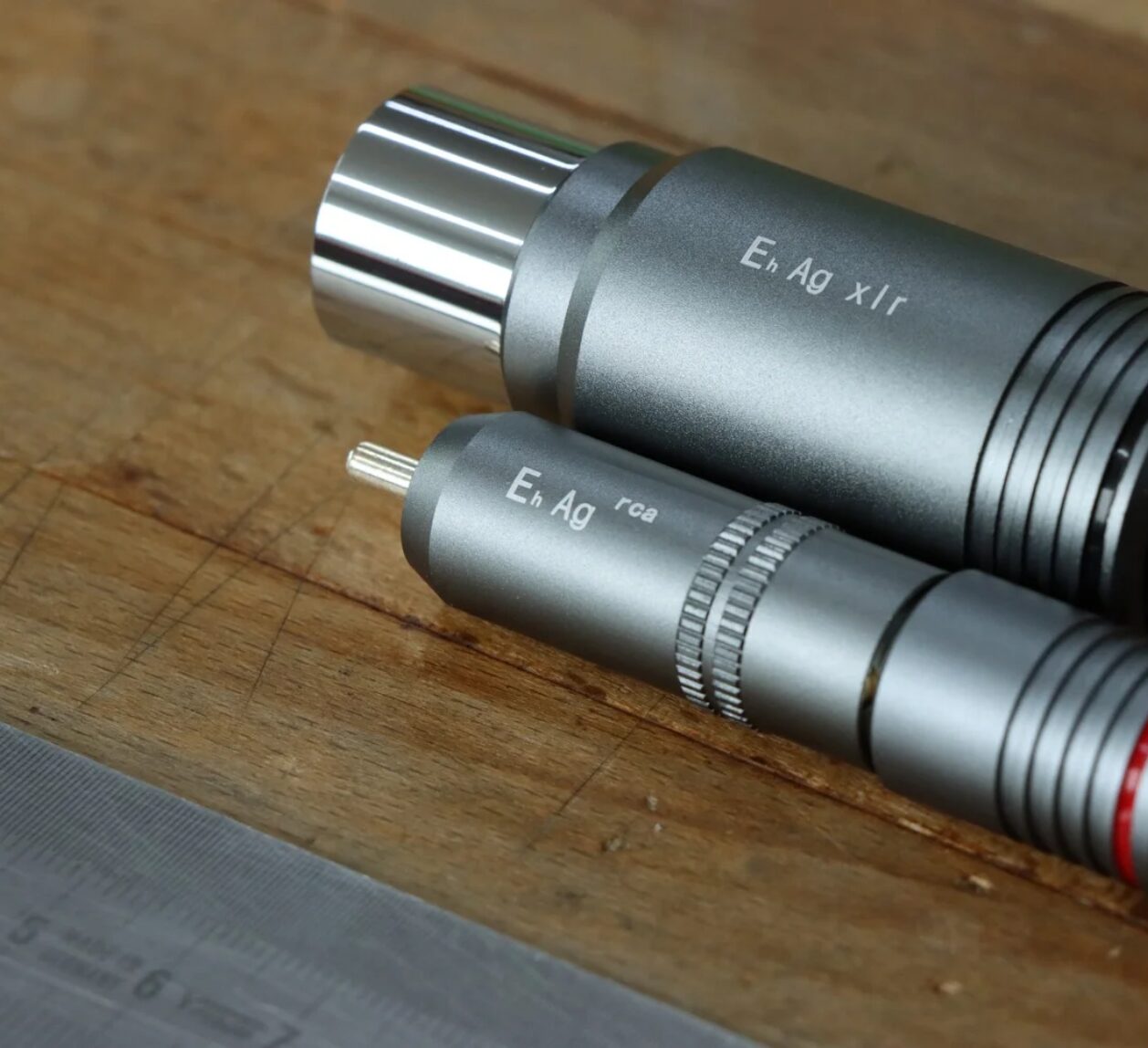
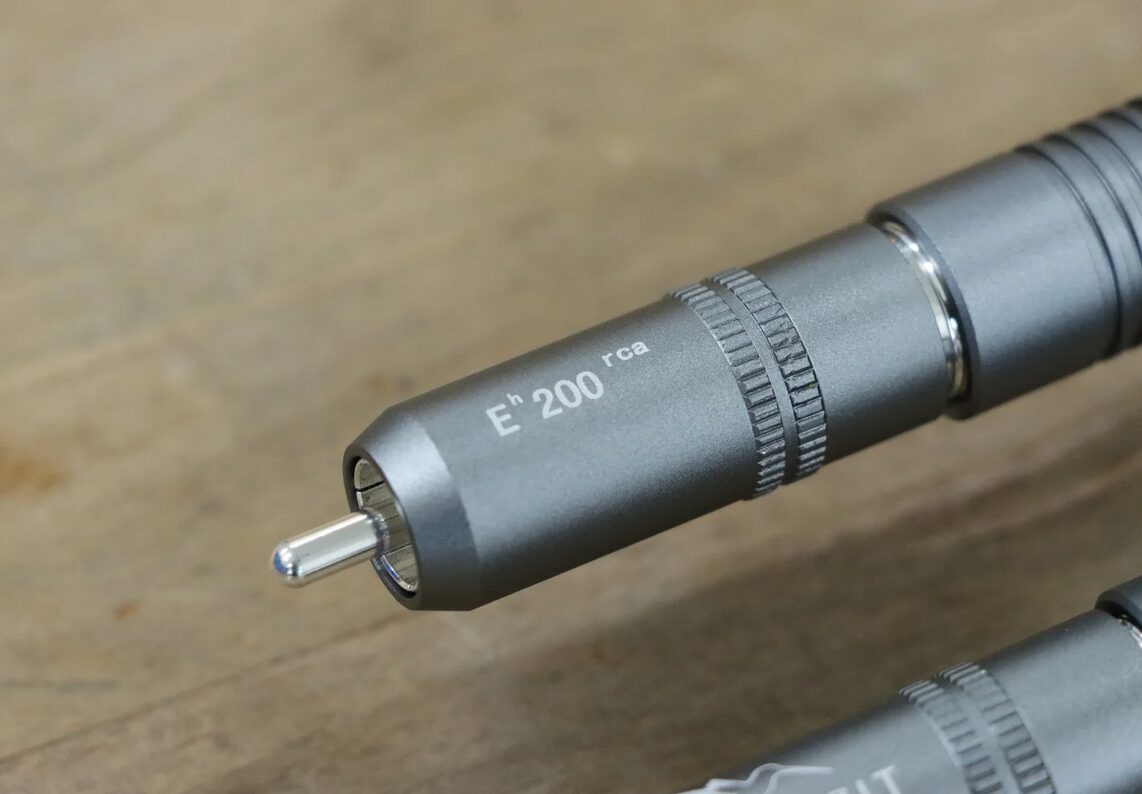
Teased, as you may have seen over the past three months in various media outlets including VUmètre, this new series is now making its full debut in Austria, with a few minor changes to the catalogue. Previously comprising 10 series, the range has been streamlined somewhat, whilst still offering the option to purchase Alpha models; however, these feature only minor changes to the finish, albeit with modified enclosures and improved aluminium connectors.
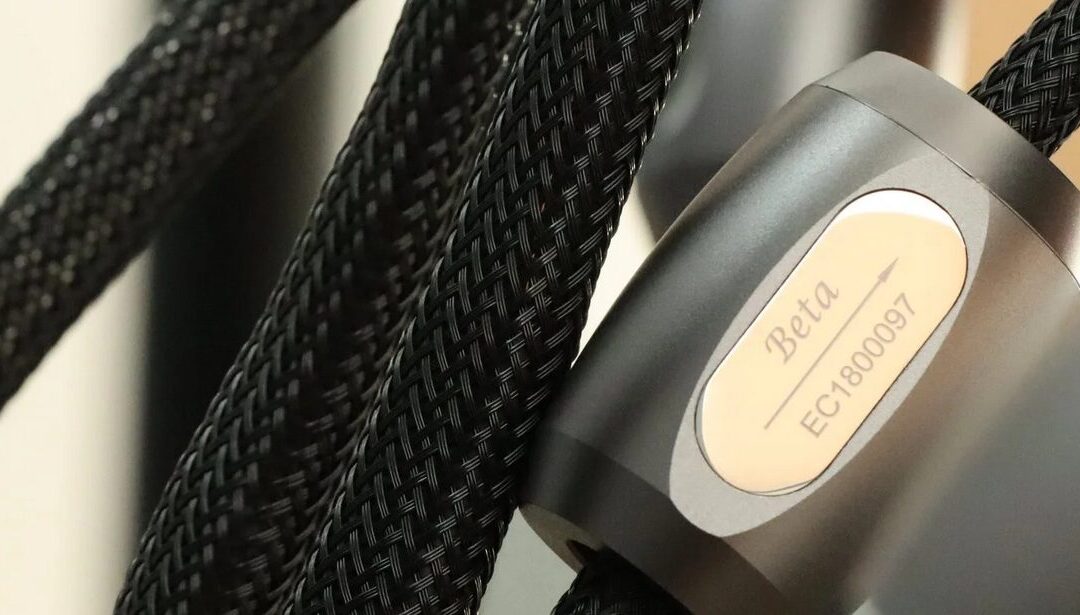
To fully embrace the Gen X range, however, you should opt for the Beta series, which focuses on the more conventional cables in a system (speakers, interconnect, mains), but completely redesigned to offer not only better connectors but also a new ring (integrated into the distribution section for the speaker cables) and a shielding system where certain elements have been revised, although it retains the fluidity and protection of the partial shielding introduced with Generation 9.
With this upgrade of the Beta series – one of the most popular since its launch – the Kappa series is being phased out, whilst the Célesta series moves up a notch, whilst also being suitable for all connections: speaker, RCA or XLR interconnect, jumper, S/PDIF coaxial, AES/EBU, USB, RJ45 Ethernet and mains.
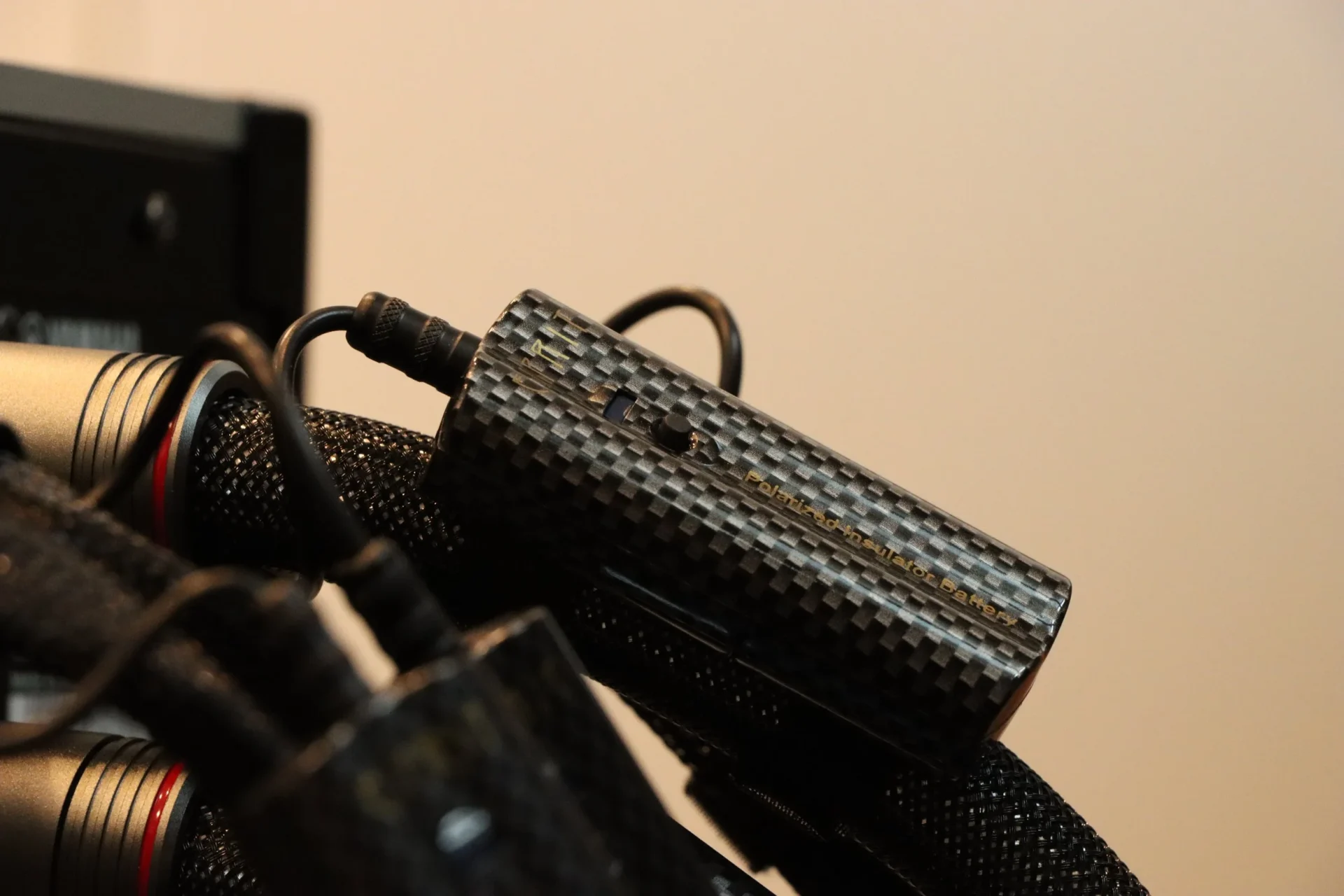
The Eterna series now features polarized sheathing on certain models, a feature previously reserved mainly for the Aura series and above (Lumina, Eurêka, Gaïa), which also see their shielding redesigned and their ferrules and connectors improved. And as has been the case for several years (tests VU#56 & VU#58), L’Esprit remains at the top of the catalogue of the brand created by Richard Cesari, now offering from launch exactly the same cables as the Célesta series and above, so if required an RJ45 or an AES, and of course also and above all speaker connection and interconnect models.
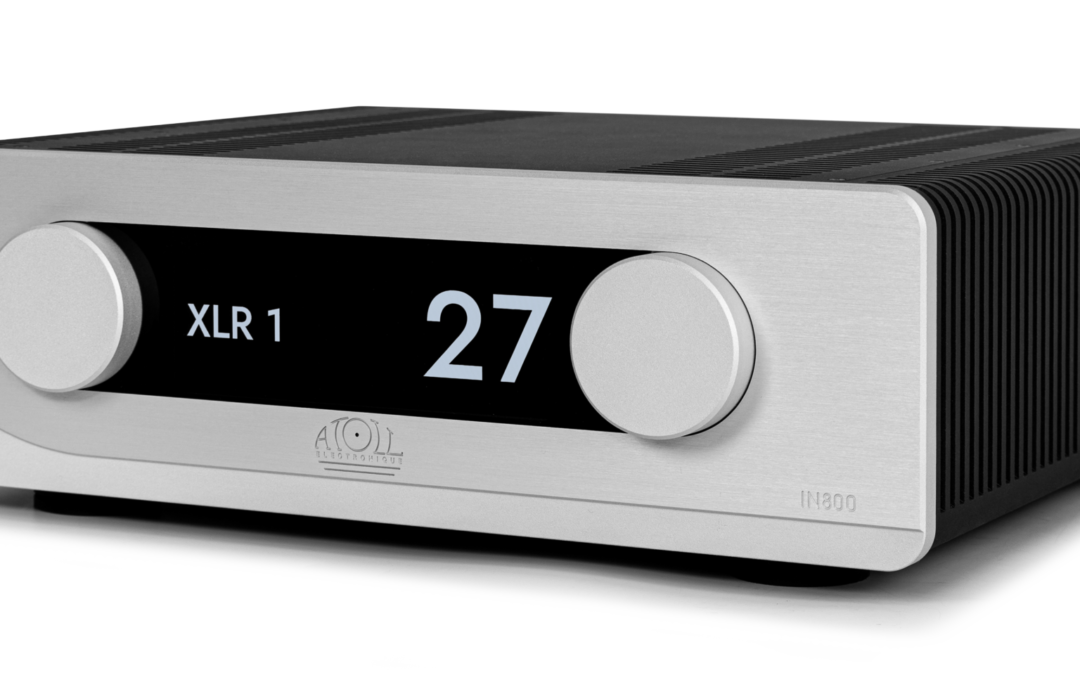
Officially scheduled for release at the end of the year, the IN800 is already making an appearance in a pre-production version at the High-End show in Vienna.
The new flagship of the lineup, the IN800 integrated amplifier—which adopts the term “Evolution” to align with the rest of the lineup—simply doubles the amplification stages of the IN400 Evolution, with 16 MOSFET transistors per channel and power output more than doubled, rising from 2 x 160 W to 2 x 350 W at 8 ohms (and 2 x 550 W at 4 Ω).
Although there are now four toroidal transformers—the largest of which is a mechanically decoupled 1,200 VA unit—and the chassis is made of 2 mm steel with a 12 mm micro-blasted and anodized aluminum front panel, the weight remains a modest 27 kilograms (compared to 19.5 kg for the IN400), as does the height at 147 mm, with the rest of the chassis retaining conventional dimensions (443 x 440 mm)—convenient for fitting neatly into hi-fi cabinets.
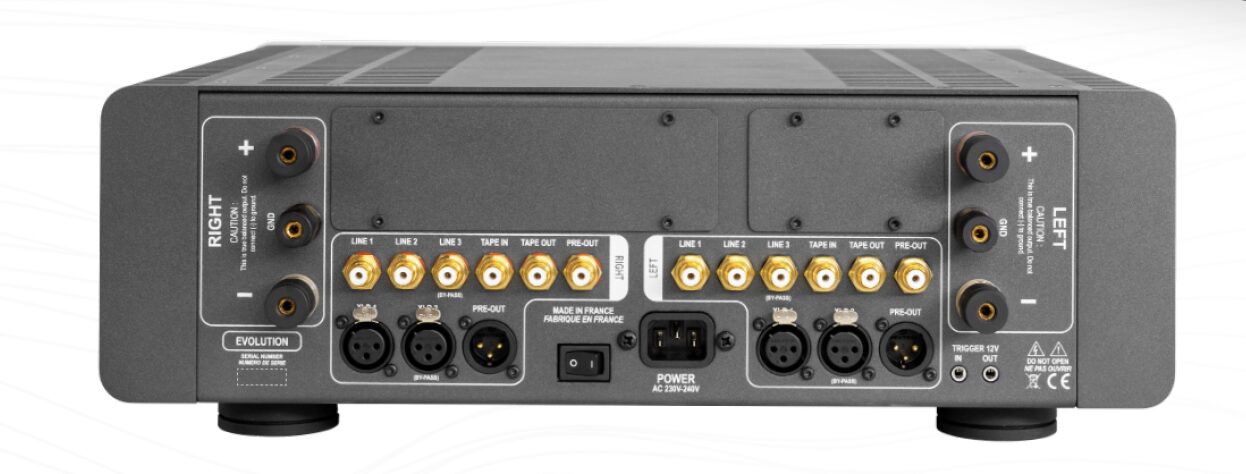
Purely analog, the IN800 Evolution offers two XLR inputs and three RCA inputs, plus an RCA tape input/output. Added to this is the ability to configure a bypass for one of the inputs, as well as a pair of XLR outputs and another RCA output to send the signal to other amplifiers or subwoofers if needed. The rear panel also features two removable plates for adding the new phono modules (P800 & P820) and a brand-new DAC card (DA800).
We will return to testing in the second half of the year to examine the pure dual-mono architecture, the Darlington transistor driver stages, and the dual-channel MUSE attenuator with common-emitter resistors; for now, we will just note that this new French integrated amplifier features a high-resolution TFT display (480 x 1270) on the front panel, positioned between two understated control knobs (volume and settings).
You will also have to be patient a little longer to find out the final price of this new IN800 Evolution, but feel free to check out our Instagram and Facebook accounts today to learn a bit more about it and see some more photos!
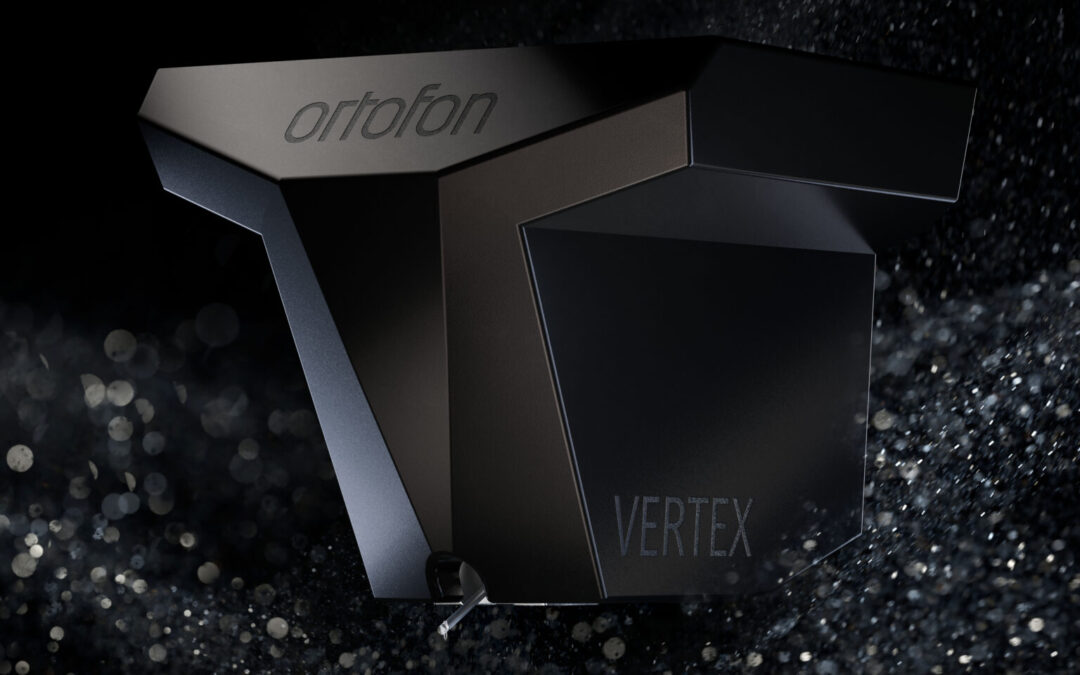
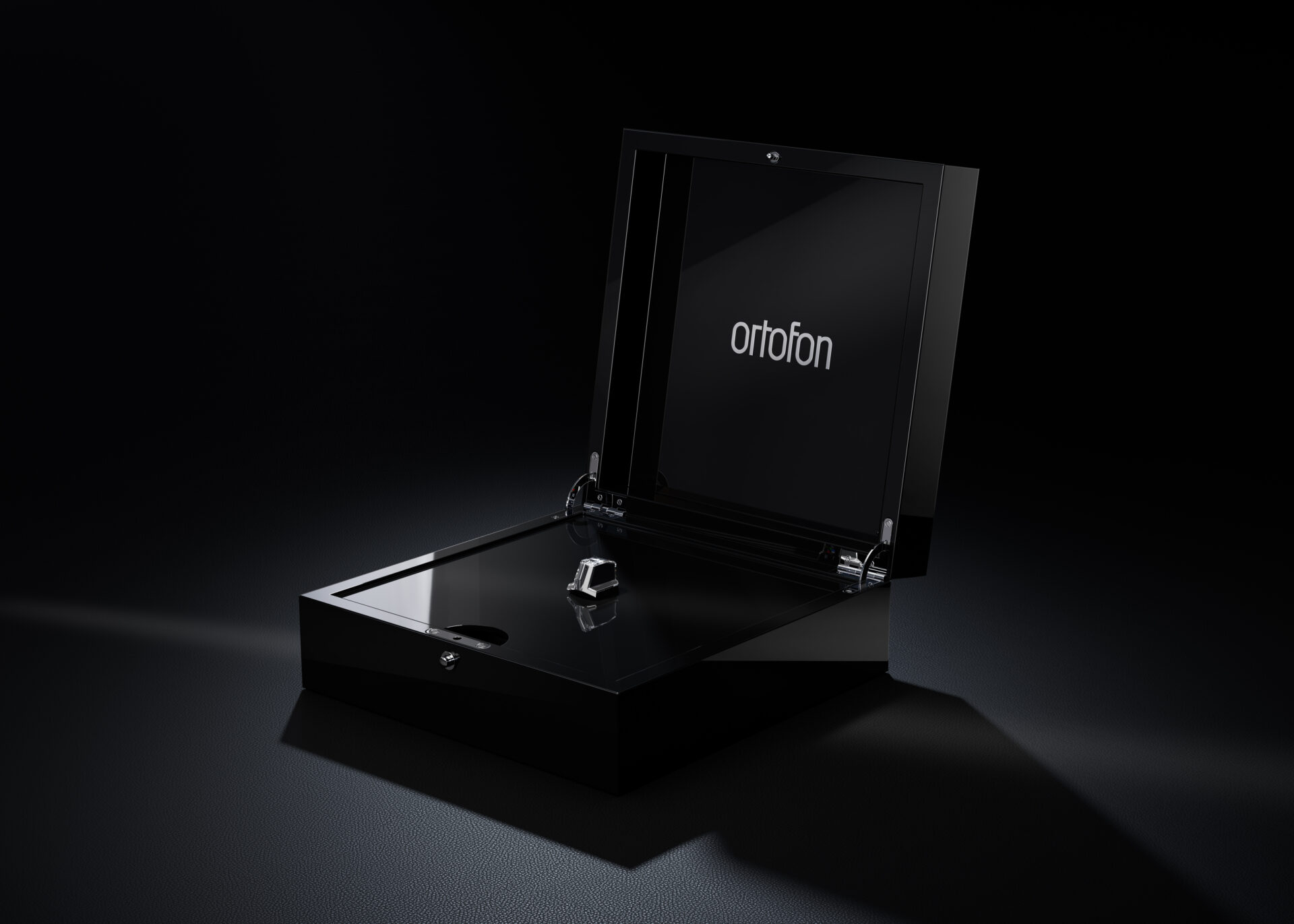
As well as unveiling a high-end version of its new MC X series, the MC X50 – of which we have reviewed the X20 and X40 (test VU#63 FR) – Ortofon is now setting its sights on the stars with its new MC Vertex.
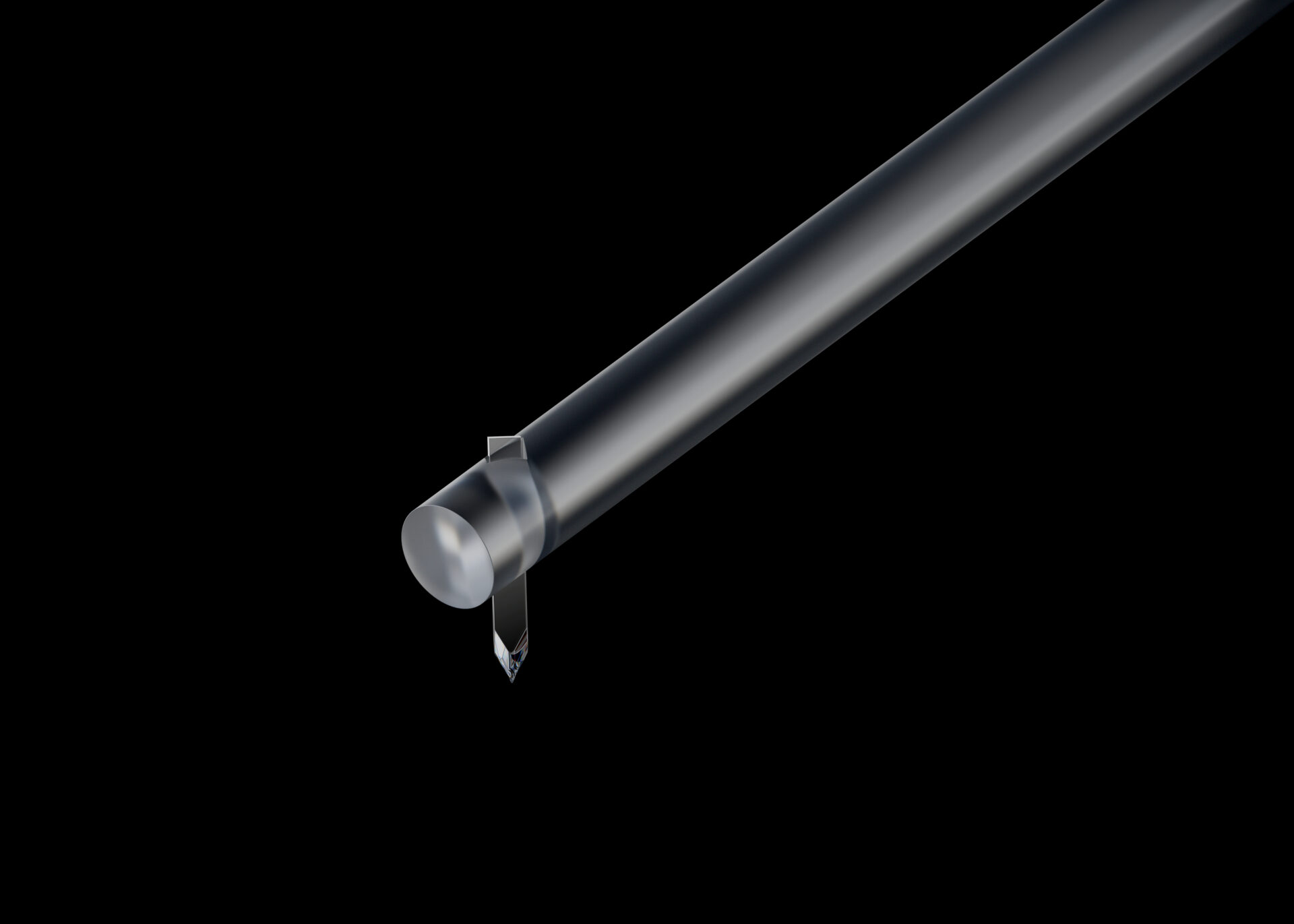
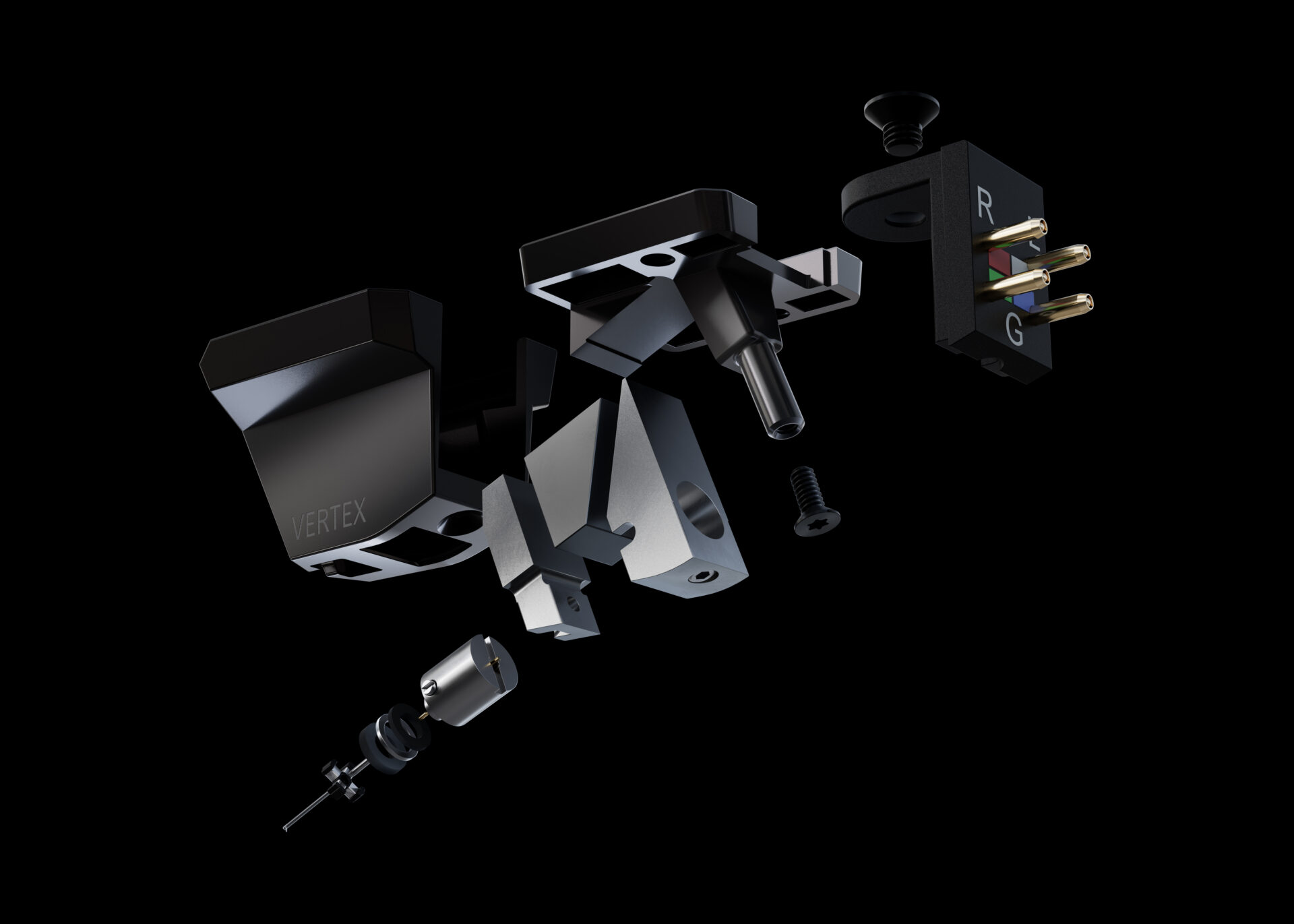
This new cartridge features the new Vertex stylus, developed with cutting-edge linear contact geometry. It has a tracking radius of 4 μm and an extended contact radius of 110 μm, both significantly greater than those of conventional models. This enlarged contact surface improves pressure distribution along the groove walls, enabling more stable tracking and ultra-precise reproduction of the finest details.
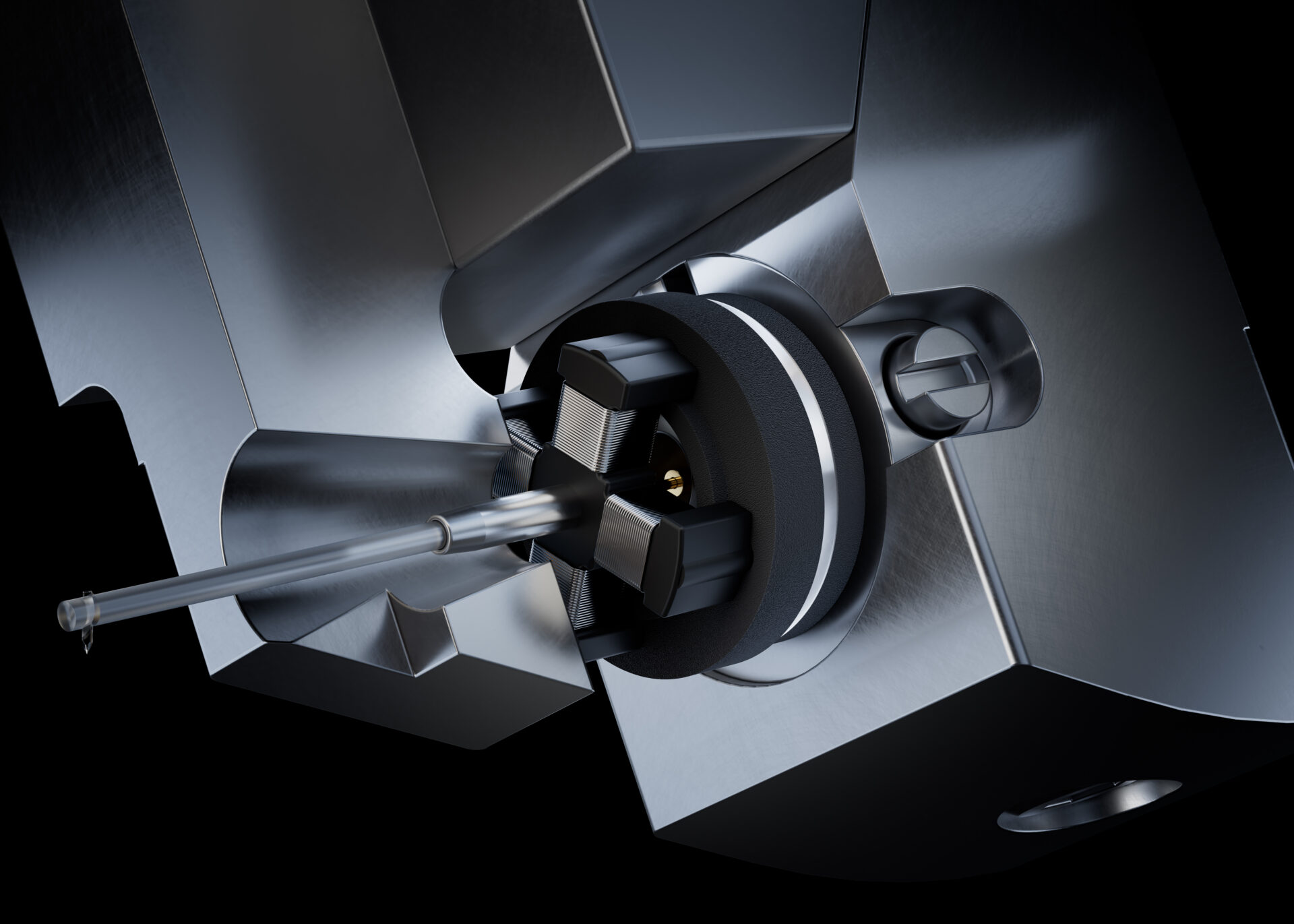
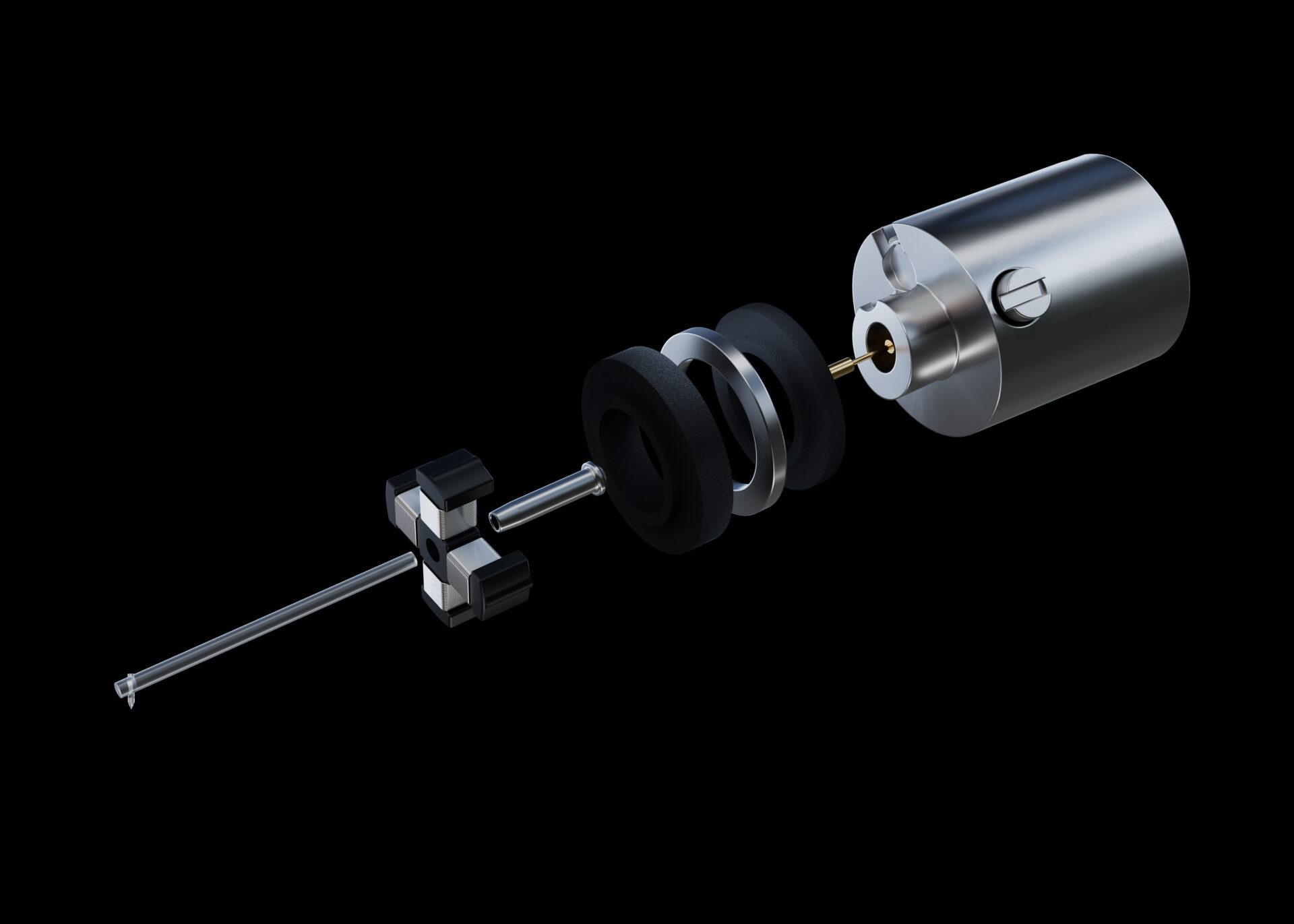
This Vertex diamond is mounted on a cantilever made of solid diamond. It is integrated into a chassis and core manufactured from titanium using selective laser melting, with the aim of creating a mechanically hyper-stable structure and minimizing resonance. A sophisticated magnetic system, featuring a non-magnetic armature, reduces moving mass and eliminates unwanted interactions. Combined with high-purity silver coils, this process helps to ensure a signal of great stability and linearity, with a transient response of very high performance.
The mechanical behavior is also controlled by a proprietary, patented Wide Range Damping system, which uses a platinum disc between two dampers made from rubber compounds. Developed and manufactured by Ortofon, the MC Vertex aims to deliver the very highest analogue resolution, with a completely natural sound, great transparency and precise spatial definition. Of course, reaching for the moon comes at a price – in this case, 14 999 € including VAT.