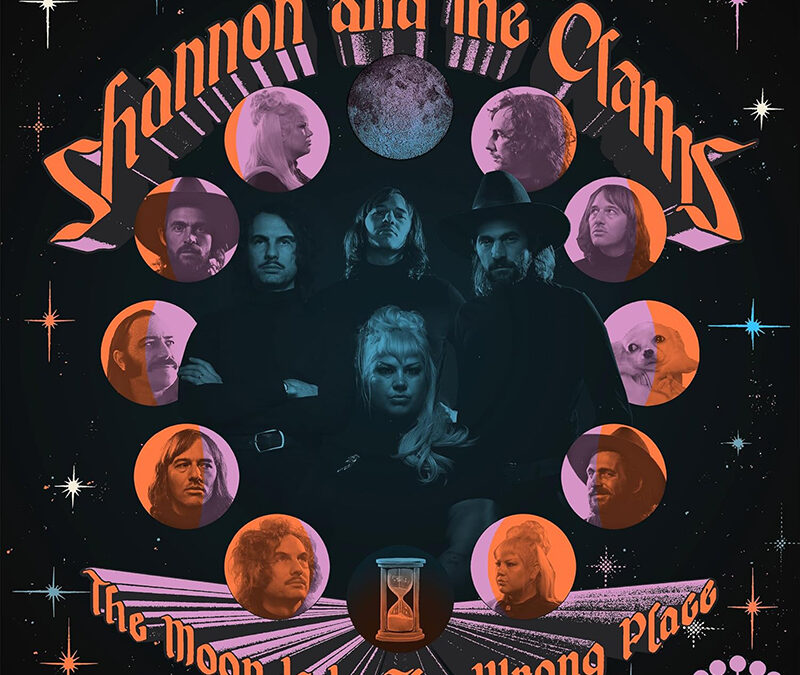
Bassist and singer Shannon Shaw, who also plays in the band Hunx And His Punx, met guitarist Cody Blanchard while they were training at an art school in San Francisco. They were joined by Will Sprott on keyboards and Nate Mahan on drums. They have been active since 2007, and their first album dates from 2009. The energy of their live performances and the quality of their first albums have won them Dan Auerbach of The Black Keys as a fan. Auerbach has enabled them to tour Australia and, more importantly, has produced their last three albums, including this one.
Carrying Shannon’s magnificent voice high like a banner, they revive the Rock & Roll and American Garage Rock of the 50s and 60s on the one hand. On the other, it’s the music of the Girls Bands of the same era, with a nod to Motown and Phil Spector. They add a hint of punk energy to some of the tracks, but that doesn’t stop them from throwing in a few ballads that are a little more languorous but just as inspired. It’s incredible to see how the band were able to transcend the personal tragedy of the singer losing her fiancé a few weeks before their wedding.
Produced by Dan Auerbach, a lover of analogue, this record, although in a different style, is in the same sonic family as the Black Keys’ albums. In other words, an aesthetic that knows how to remain modern but favours a certain warmth and complicity between the musicians. They take pleasure in playing together, and it’s infectious: it’s hard not to get your foot tapping when the tracks lend themselves to it. And when they slow down, it’s just as hard not to be moved by the emotion in the singer’s voice. An album you can dive into with your eyes closed.
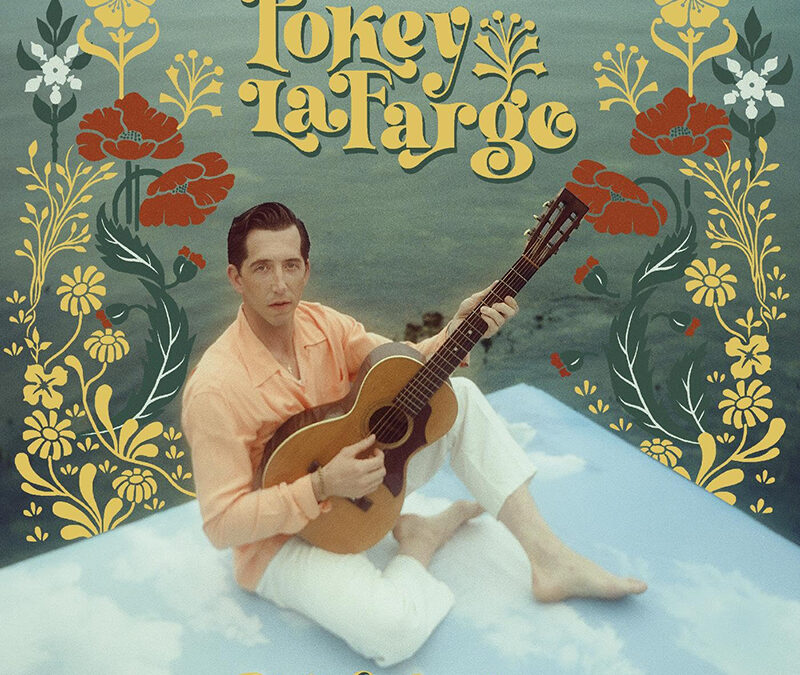
Born in Illinois, Andrew Heisser was introduced to music by one of his grandfathers, who played banjo in Saint Louis and gave him his first guitar. In his early teens he became interested in the blues. At the age of seventeen, after obtaining his diplomas, he lived from odd jobs, leading a solo career while participating in several bands such as the South City Three, who accompanied him on several records, and the Hackensaw Boys. He released his first self-produced album, Marmalade, in 2006, and has since released almost a dozen LPs under the name Pokey Lafarge.
From the outset, his music has been heavily inspired by the styles in vogue in the southern United States in the first half of the twentieth century. He combined traditional country-folk with elements of ragtime and swing. For this album, as for the previous one, he broadened his palette by looking to South America and Caribbean music. This brings a sunnier vein to his compositions, some of which could be mistaken for old classics from the heyday of popular radio. The themes of the lyrics are also lighter.
Logically, acoustic instruments reign supreme on this deliciously retro recording. But it’s only the style that harkens back to the past; the sound recording is impeccable, flawless and leaves nothing in the shadows. It clearly shows off Pokey LaFarge’s talent as an arranger and highlights all the musicians who accompany him. The vocals are slightly forward, supported by discreet but tasty backing vocals. The brass provides support in certain passages, but never overpowers the string instruments, which remain the main purveyors of melody.
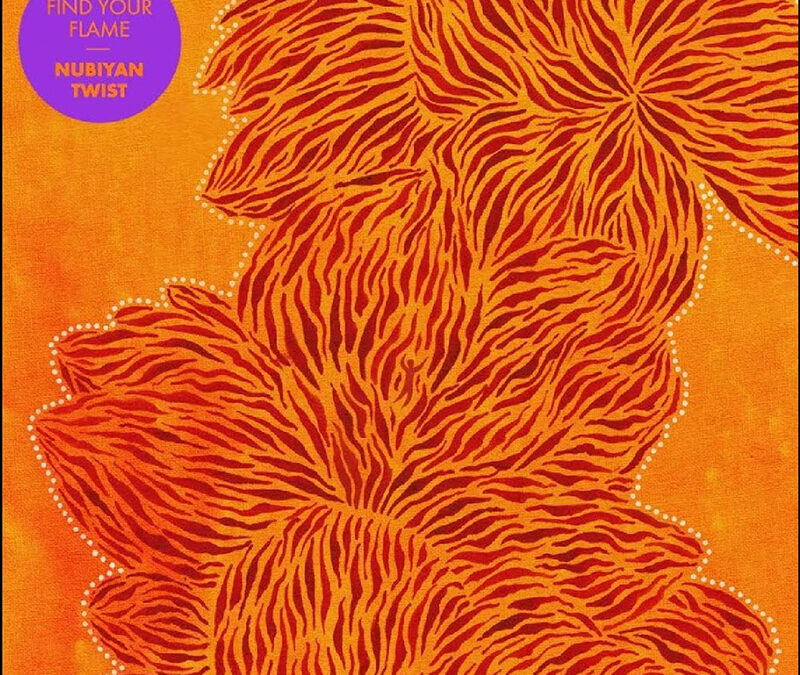
Made up of nine permanent members, this collective was formed in 2011 while they were students at Leeds College Of Music. The group is led by guitarist Tom Excell, who leaves plenty of room for individual expression. They released their first album in 2015, but their reputation grew with the release of their third album, Freedom Fables, in 2021. Tracks from this opus made it into the BBC 6 Music radio playlist. Since then, the quality of their live performances has convinced audiences at numerous festivals.
The singer Nubiya Brandon, who inspired the group’s name, has been replaced by Aziza Jaye for this fourth album, but that hasn’t stopped this big-band from continuing in the same melting-pot of influences. On a jazz base with a fine brass section, they look to Nu-Soul and Hip-Hop, sometimes reminiscent of Roy Hargrove and his RH Factor, but there’s also an infusion of African music with rhythms that are hard to resist. The featurings are just as luxurious, with the likes of Nile Rodgers and Seun Kuti joining in with the band’s infectious groove and funk.
Although some of the arrangements are electronic, what stands out listening to this record is the abundance of analogue sounds. Of course, with nine musicians, that’s a lot of people, but the production makes it easy to understand the different sections and perfectly accompanies the different colours of the tracks. Whether on the faster tracks or the quieter ones, the vocals remain clear. The percussion, when there is a lot of it, fills the stage and, on the best systems, the brass and keyboards add depth. All in all, it’s a good time that’ll make you want to dance.
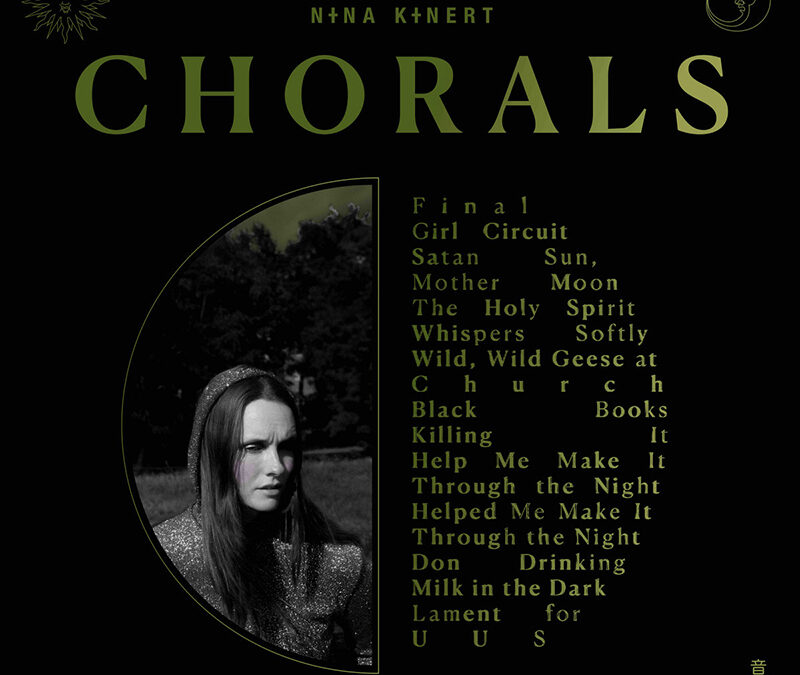
Sweden’s Nina Kinert released her debut album in 2004. Her career really took off when car manufacturer SAAB used one of her tracks for an advertising campaign in 2007. Including Ep releases, her discography numbers around ten, delighting her discreet but conquered fans. His favourite instruments are guitar and piano. Apart from an album inspired by the Star Wars films, the themes of her songs are strongly influenced by her religious upbringing and the questions it raises, by herself and also by her confrontation with the modern world.
Starting from a Folk base, the young woman’s compositions have always been at the confluence of several styles. There’s the Minimalism of Philip Glass, the Ambient of Brian Eno, the Kraut-Rock of Klaus Schulze, and some of the vocals are reminiscent of sacred chants. This album, which retains the spiritual theme, is a logical follow-up to 2023, and as its name suggests, the work on vocals plays a major role. This is combined with the sometimes dreamlike presence of keyboards, the artist willingly admitting an admiration for Laurie Anderson and Vangelis among many others.
The music on this album is haunting and weightless. It alternates moments of intense emotion with passages of pure ambient. To create this world there are the voices and keyboards already mentioned, but also flutes, harp, clarinets and cellos that enhance the electronic textures created by the synthesizers. The singer’s own voice has been synthesised to create effects. The analogue world meets electronics, with the studio complementing the recording in a church, to produce some of the most captivating music that won’t give itself away completely on a distracted listen.
This guitarist is a Tuareg living in Niger. As with many West African musicians, Mdou Moctar’s music was first distributed via mobile phones. It reached audiences on other continents following the publication of the compilation “Music From Saharan Cellphones” by the Sahel Sounds label. With his committed lyrics on the situation in Niger and other African countries, it was above all in 2021, with the release of “Afrique Victime”, that he met with success. He has released more than half a dozen albums and has opened for Jack White.
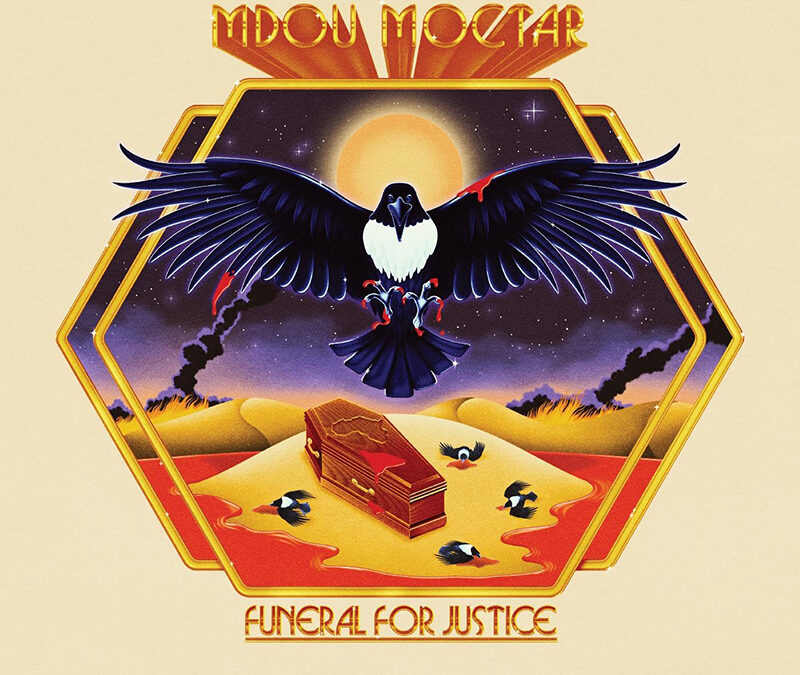
The album cover almost looks as if it comes from another age and another part of the world, so reminiscent is it of Southern Rock or even Outlaw. This visual impression is matched by the listening experience. It will have escaped no music fan that blues owes a great deal to African music, and this album is a real cross between that of the Tuaregs of Tinariwen and many Anglo-Saxon guitar-based productions. Mdou Moctar and his band demonstrate both a high level of instrumental dexterity and no less inspiration. While keeping Africa at the forefront, they manage to inject a rock edge that will mock even the most jaded.
Far from the almost amateurishness of the music on mobile phones mentioned, the record showcases the Nigerian’s guitar, still electric on this opus. And his voice, often backed by backing vocals. The rest of the band provide a taut, urgent rhythmic backdrop, the crescendo structure of some tracks reminiscent of the trance music so dear to Africa. The percussion and hand-clapping add an exciting dimension to the whole. The result is an album that blends cultures and is hard to get enough of.