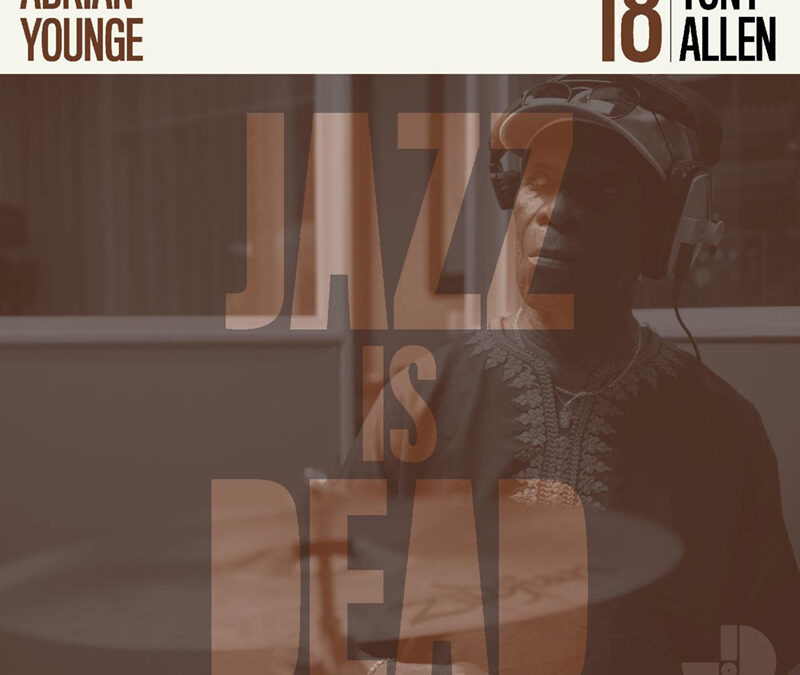
The eighteenth release from the Jazz Is Dead label is dedicated to Tony Allen. This Nigerian drummer was one of the artists behind Afrobeat. His influence on African music, but also on all those who work with rhythm, is considerable. His discography is plethoric, notably with his musical alter ego Fela Kuti, and his career as a leader is not to be outdone. His work with artists as varied as Sebastien Tellier, Charlotte Gainsbourg and Damon Albarn has taken him into many different styles. Some consider him the best drummer in the world. The sessions for this album were recorded in 2018, two years before his death. It is therefore possible to listen to this album with a certain emotion. Yet there’s no room for contemplation in these 27 minutes of music. It’s all pulse and groove, funk and Afrobeat, relentless and driving. I don’t know if jazz is dead, but Tony Allen proves that true talent doesn’t suffer from the passing years.
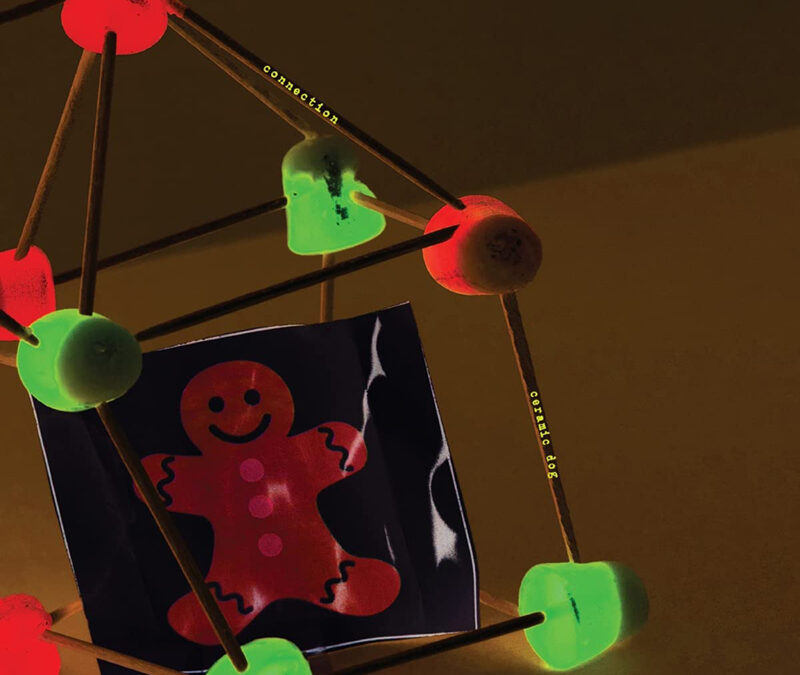
Ceramic Dog is a band whose core members are guitarist Marc Ribot, bassist Shazad Ismaily and percussionist Ches Smith. It’s impossible to sum up Marc Ribot’s career in just a few lines, such is the limitless eclecticism of his collaborations and musical research. Whatever your musical tastes, it’s certain that you’ve already listened to a record where this adventurer has made his six-string sound. From Norah Jones to John Zorn, from Tom Waits to Marianne Faithfull, from Brazilian Caetano Veloso to Italian Vinicio Capossela, they’ve all called on him. In addition to his contributions, he is the leader of several groups. On this album, the music takes off in all directions, and is not limited to the trio of guitar, bass and percussion. It features a host of musicians as prestigious as they are artistically interesting. The raw sound is reminiscent of early punk energy, with a dose of modernity and a hint of pop in certain melodic passages. The second half evolves towards a free jazz ambience, transitioned by the track “Swan” and the saxophone of James Brandon Lewis. The festive finale is reminiscent of a dreamlike brass band. A far from easy album, which shows us that music has no boundaries and that styles are there to be mixed and muddled.
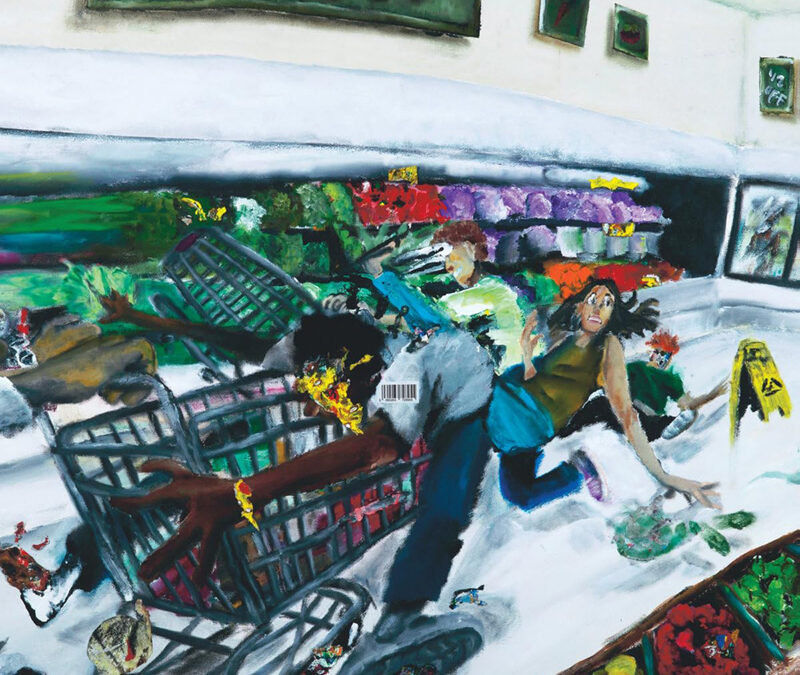
This Canadian DJ is also half of producer duo TNGHT. They are part of the trap scene. Music at the confluence of rap and electro, characterized by a strong presence of drum machine kicks and slow, repetitive rhythmic patterns, while abandoning the sampling associated with original hip hop. This style, which emerged around 2000, gained momentum in the early 2010s and was introduced into the music of many popular artists. With the short 10 tracks of “Open”, Lunice breaks free from the stereotypes attached to this genre, offering us a truly inventive patchwork of sounds. From the very first track, we’re not sure whether we’re leaning towards the whimsical Beastie Boys or the instrumental ambiences of Buck 65. The second track doesn’t tell us anymore, although it doesn’t avoid the pitfall of using auto-tune. The album is a skillful, multi-colored collage in which numerous influences and winks can be noted. The production is perfectly in tune with this joyful sonic moment and is ideally suited to comparative listening on headphones and loudspeakers.
Greta Van Fleet is an American band made up of the three Kiszka brothers (vocals, guitar, bass), accompanied by their childhood friend Danny Wagner on drums. Their style is described as “retro-rock”. In other words, a sound close to that of 70s hard rock. No samples, no drum machines. It’s heavy, it’s hard, but the riffs are not far removed from the blues if you compare them to the most extreme music of the genre. What strikes you most when listening to their records is the similarity of Josh (Kiszka)’s voice to that of Robert Plant. The mimicry doesn’t stop there: the pounding of the drums, the guitar solos, everything is reminiscent of Led Zeppelin. This is particularly obvious on their 2017 Eps. It’s enough to make you wonder if this isn’t an edition of the Londoners’ lost tapes. On their albums, while remaining disturbingly close to their role model, they develop their own personalities, with compositions that hit the mark and productions of consistent quality. If you love the guitar bands of the ’70s, don’t miss out on this new stadium-bound sensation, whose third album proves that the stars are only a stone’s throw from heaven.
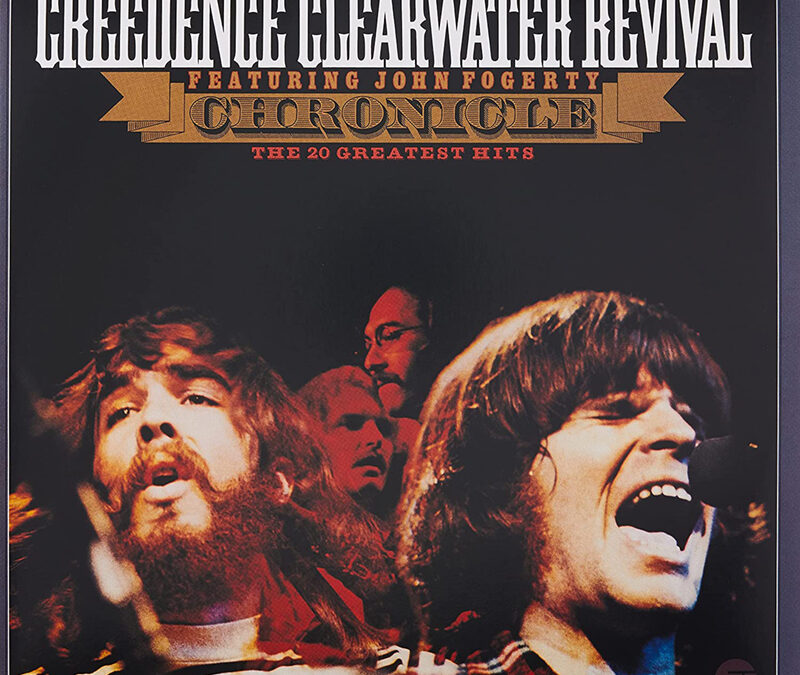
This compilation is not exactly a novelty. It was originally released in 1976 by Fantasy, four years after the break-up of the band led by John Forgety. Its 24 bit 192 Khz mastering has earned it a place on these pages. In 20 tracks, we have almost all the hits of this rock band. They combined the greatest currents of American popular music (blues, country, and rock in particular) with catchy, energetic melodies and a distinctive guitar sound that would be linked to the atmosphere evoked by the vegetation of the Louisiana swamps. By the end of the 60s, Creedence had released a string of chart-topping songs, becoming rock’s biggest sellers. Of the eight albums released during their all-too-short career, at least half were classics that brought infectious joy. If you already know this band, you’ll be singing along as you listen to these must-have songs again. If you don’t, you’ll want to listen to this record, and then move on to the rest of their albums.