Founded in 1999, The National have released a dozen albums since 2001. The previous one only dates from April 2023, and like many of their past releases, it’s very good. The transcendent beauty of “Laugh Track” is a sequel, with less tension, to “First Two Pages Of Frankeisten”, with which it shares little more than some of the cover artwork. It’s simple, the more I listen to this band’s discography, the more I think they’re one of the best pop bands of recent years. But don’t be fooled by their acid pop. On this album, every note, every vocal intonation is close to nonchalance, to melancholy. It’s a winter ballad that leads to introspection. It seems logical that they signed with 4AD, as the sound is so English and reminiscent of the gothic sound of certain ’80s bands. Be careful, though: if you start listening to these artists, it may become addictive and, like me, you’ll want to listen to all their records.
This English duo consists of a bassist and a drummer, instruments that rarely stand alone in the rock world. The bass alternates its role with that of the guitar through an amp dedicated to reproducing higher frequencies. Their sound is heavy and full of riffs, reminiscent of stoner rock and somewhere between Queens Of The Stone Age and Foo Fighters (for whom they opened on many occasions). Their self-titled debut album, released almost ten years ago, quickly secured them a solid fan base of hard rock fans. Feeling surely limited by their instruments, their third album, “Typhoons”, took them in a direction that flirted with electro-rock, losing a few fans in the process. For 2023, they refocused on what they knew how to do, returning to rock but adding a fair amount of pop. Royal Blood is constantly evolving, which makes their discography all the more interesting. The album’s opening tracks hit hard and get everyone on the same wavelength, then the melodies take on greater scope, leading to more subtle tracks. Don’t expect a repeat of the first opus if you want to fully appreciate it.
The band’s name has nothing to do with the Velvet Underground song of the same name. What’s more, their influences seem essentially English. But there’s a certain nostalgia that comes with listening to their records. This English trio’s sound is inspired by a lot of ’90s music. Alternating between the predominance of guitar, synthesizer and bass, underneath the pop varnish that makes the songs fresh and approachable, you can hear cold wave, gothic rock and noise pop. It’s impossible not to think of The Jesus And Mary Chain, My Bloody Valentine or Cocteau Twins. The previous album, “Souvernirs”, was marked by the death of the father of the band’s singer-guitarist, Matt Board. It was only a year later that this album came out, also marked by grief at the death of Matt’s mother. These tracks are a cathartic call to life, and if you’re wondering how to transcend grief in beauty, here’s something to get you started.
Matthew Halsall began playing the trumpet in brass bands at the age of 6. Later, he developed a taste for electronic culture, and became interested in the work of labels such as Ninja Tune and Warp. It was during one of DJ Mr Scruff’s sets that he had a revelation when a piece by Pharoah Sanders was played. Spiritual jazz immediately struck a chord with this musician who has studied transcendental meditation and yoga. As well as being a trumpeter and producer, he is also the founder of the Gondwana Records label and the author of almost ten albums. For his latest productions, he creates loops from percussion samples of various origins, sometimes with instruments he has made himself, before laying down his clear, soaring trumpet. His latest album is an unexpected bridge between the most minimal recordings on the ECM label and the most meditative albums by John Coltrane or Pharoah Sanders. Another English jazzman with a spellbinding, even essential album. If England was known for its contribution to pop music, it now counts for its contemporary jazz artists, and Matthew Halsall is one of its most captivating representatives.
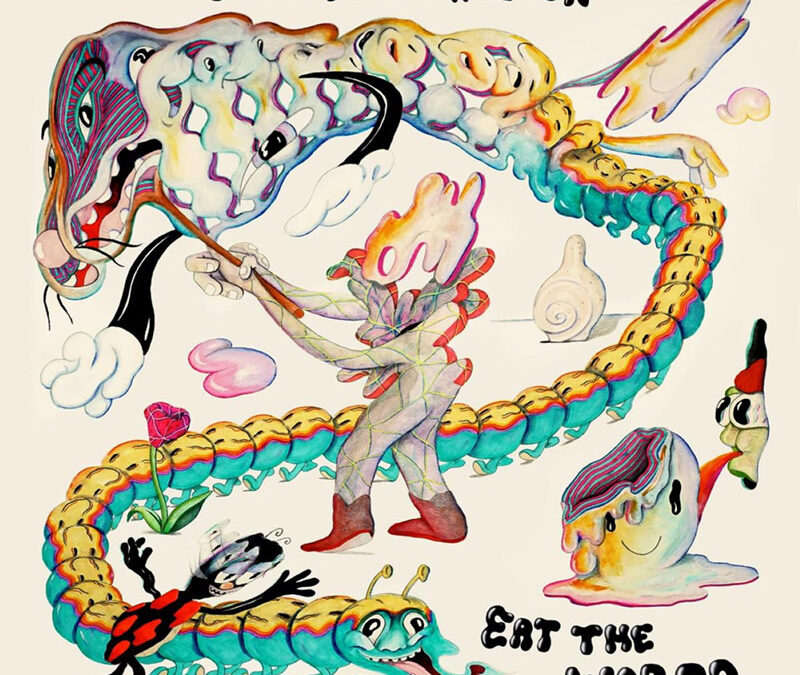
Recording studio owner, producer and musician, this lover of ’70s music has an impressive track record, and the musicians he’s accompanied have been some of the most prestigious. To name but a few, he has played alongside Roger Waters, Erykah Badu, Elvis Costello and Bonnie Prince Billy. His solo albums feature artists such as David Crosby, Graham Nash, Patrick Sansone (of Wilco) and Jackson Browne. His early recordings are full of folk, country and psychedelic-tinged Americana. For his latest opus, “Eat The Worm”, the guitar is less present and he takes a step towards more experimental sounds. The result is not hermetic, however, and gains a timeless quality, less frozen in the ’70s. Although his vocal range is far removed from this, listening to him, it’s impossible not to think of Tim Buckley (especially “Starsailor”) or certain Robert Wyat albums. It’s a record like none we’ve heard before, and one that deserves several listens.