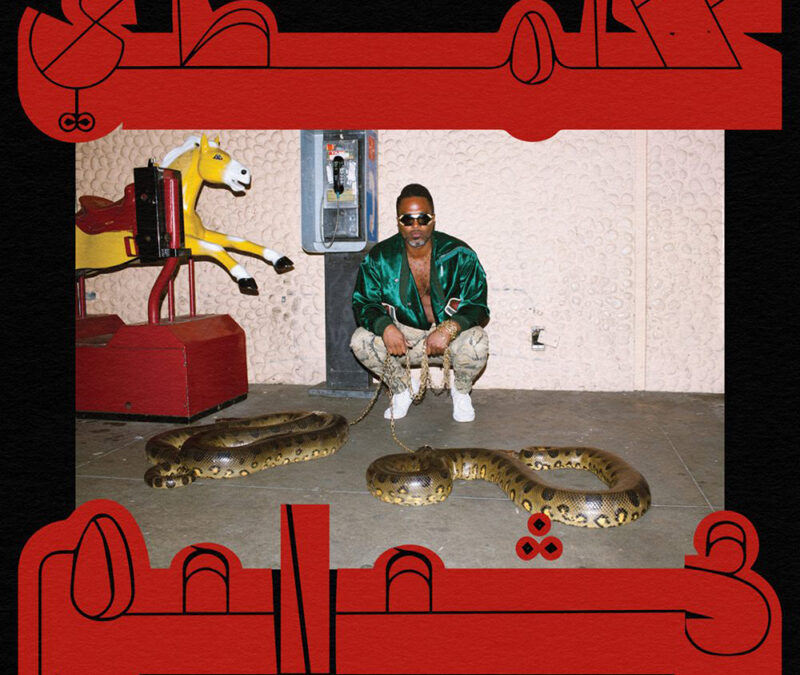
Specialist in short albums, Shabazz Palaces is basically a hip-hop duo which includes the rapper Ishmael Butler, who was part of the group Digable Planets and the multi-instrumentalist of Zimbabwean origin Tendai Maraire (the latter having left the project a few years ago). Through their discography, they offer a hip-hop that can be described as avant-garde and which seems to owe more to DJ Spooky than to Kayne West. Their music looks towards the future, without being too experimental and demonstrates a mastery of the fundamentals of their style. Less based on rhythm than many productions put forward by radio, this record is down tempo to the point of sometimes evoking trip-hop. The flow of the rapper and the many guests works wonders on this musical setting and reinforces the heavy and sweaty atmosphere that emerges from the pieces. A late-night record, which deserves attentive listening with headphones to appreciate all the work of these sound adventurers.
The English jazz scene never ceases to dazzle us with its talent and diversity! Ancient Infinity Orchestra is based in the musically famous city of Leeds. Led by double-bassist and composer Ozzy Moysey, this variable-geometry collective can count up to fifteen members. For the recording of this first album, they invited an equally large choir to join them upon some tracks. The compositions, which have been part of their stage repertoire for years, are a perfect illustration of the spiritual jazz style. The last track is a tribute to ‘Pharoah Sanders’. Percussion, oboe, cello, flute, saxophones… The music is dense and penetrating, and as befits this style of music, leads to a certain plenitude, a sense of calm. The entry of the choirs takes it to a new level, while their unsystematic use makes the whole lighter and perfectly balanced. A fine example of instrumental mastery and complicity in the service of beauty.
This California-born trumpeter graduated from Berkeley High School before studying at the Manatthan School Of Music. He has played with the likes of Joe Henderson, Joshua Redman and Steve Coleman. He is credited as a collaborator on some twenty records by great names in jazz, and this eighth record as leader, after several releases on Blue Note, is the first published by the no less famous Nonesuch label. To do this, he surrounds himself with Bill Frisel on guitar and Herlin Riley on drums. He puts his great technical mastery at the service of ethereal ambiences, with a search for economy rather than a display of virtuosity. Every note, every sound is measured to create the most emotion, recalling the spirit of Miles Davis, for whom the use of silence is of paramount importance in his compositions. Although recording together for the first time, the complicity between the three musicians is palpable. This album is a kind of answer to Wayne Shorter’s question: “What will you do when you can do everything?
We’re dealing here with one of the most important hip-hop artists of the 2010s and beyond. Listing her track record would be too tedious. We’ve lost count of her gold and platinum records, as well as her Billboard chart-toppers. Quite simply, she has been nominated for almost 450 awards, won around 250 and is even listed in the Guinness Book Of Records. In fact, she is the producer of the “Nicki” series based on her life. For her fifth album, she takes the name of her first opus and adds the suffix 2. Although it remains in the realm of rap, the sound is different and seems less focused on the single at all costs. We’re treated to a few down tempo tracks and some heartfelt versions of hits by Cindy Lauper, Chic or Blondie. The production is always impeccable and, as it should be for this kind of music, the lower end of the spectrum is well exploited, making headphone listening particularly pleasurable. Proof that mainstream and audiophilia can go hand in hand.
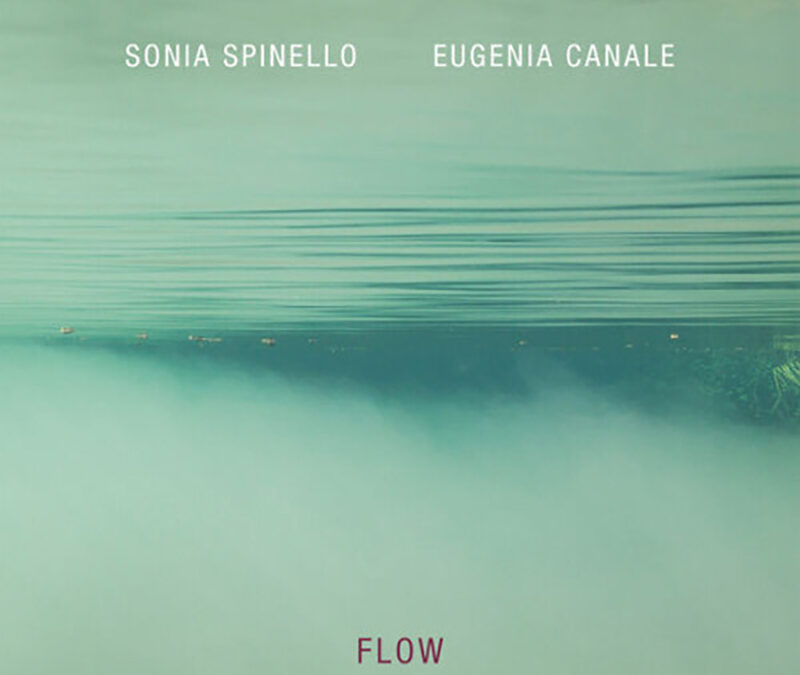
Sonia Spinello is a jazz singer, composer and author. She teaches singing at the Four Music Scholl school she founded and runs in her home town of Borgomanero, Italy. She is also artistic director of several jazz festivals in her region. Despite her many activities and concert appearances, she has recorded just over a dozen albums, with, as is only right and proper, some very talented musicians. On this album, her vocals are sometimes accompanied by other voices, wind instruments and a cello, but it’s mainly Ashti Abdo Saz’s duduk and hulusi and Eugenia Canale’s piano that run through the compositions. The piano, sometimes prepared, brings its share of dissonance, but always remains subtle and accessible. The winds are in the same spirit, and the calm, soothing vocals are a far cry from the mannerisms and extravagance of some of the more prominent female jazz singers, which can be tiresome in the end. An artist who deserves greater exposure on the international scene.