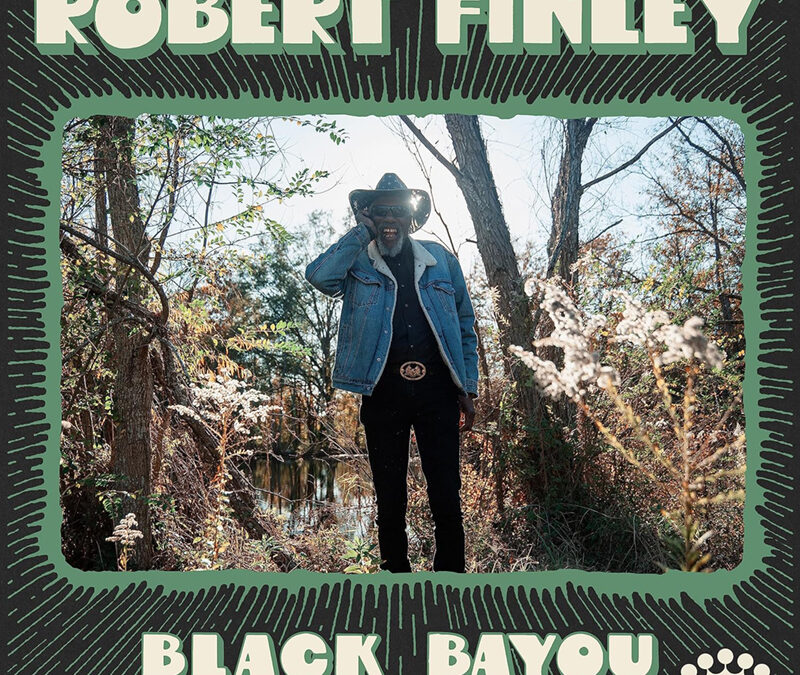
If you think the best nuggets are the best hidden, then you can be sure that Robert Finley is a diamond shaped by years of practice. Native from Louisiana, he took up the guitar at the age of 11, and was a regular attendee of gospel bands. Music has been with him all his life, with varying degrees of success. So much so that he was a street artist when the Music Maker Relief Foundation came to his aid. Thanks to this support, and following a series of concert tours, he recorded his first album in 2016, at the age of 60. For his fourth album, he enlisted the services of some top-notch collaborators, including members of the Black Keys. His gravelly voice is capable of soaring high, and while it is still charged with the spirit of black American music, the instrumentation, by being tighter around the guitar-bass-drums trio, barely strays from the soul side of previous albums. But do not worry, it is all there: blues, funk, rock and, above all, a lively interpretation. If age means anything to Robert Finley, it is that he gets better with years.
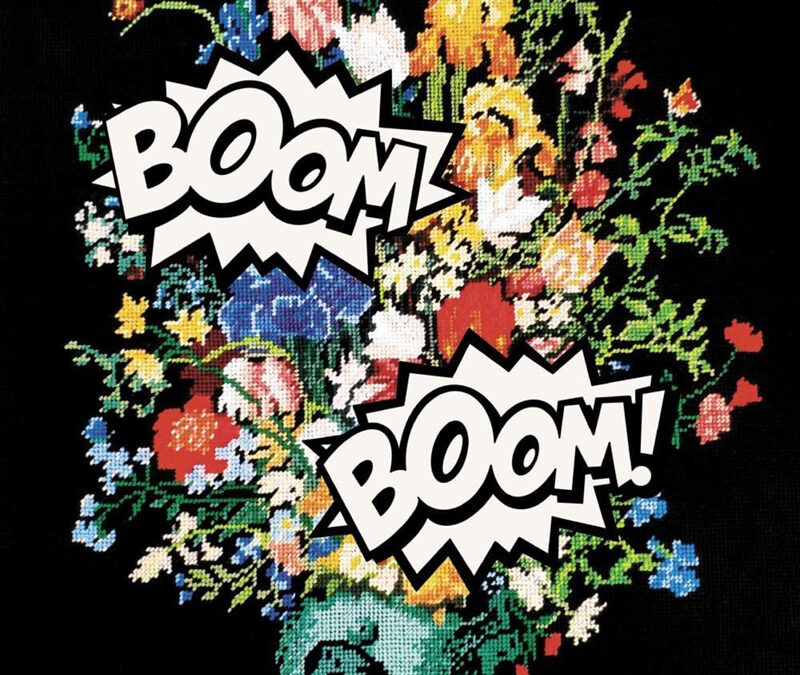
An artist as crazy and unclassifiable as he is brilliant, traveling between France and Catalonia, he sings in both languages and released dozens of albums with the Bel Canto Orchestra (characterized by the unsystematic use of toy instruments) or as a solo artist. Some of these are hard to find, as they have never been released digitally. The number of his collaborations is as impressive as the range of musical genres he swept across. He also provided soundtracks for numerous performances and films. If he is adept at mixing, most of productions by Pascal Comelade are imbued with the rock’n’roll and repetitive music he loves. Boom Boom, almost entirely instrumental, is in this vein. There are no surprises for those who already know him, but no disappointments either, as he delivers a fine vintage. With this album, he demonstrates, as he has throughout his career, that rock is not just a sound or an attitude, it is a way of being in the world, and some artists have taken this to heart. Pascal Comelade is one of them.
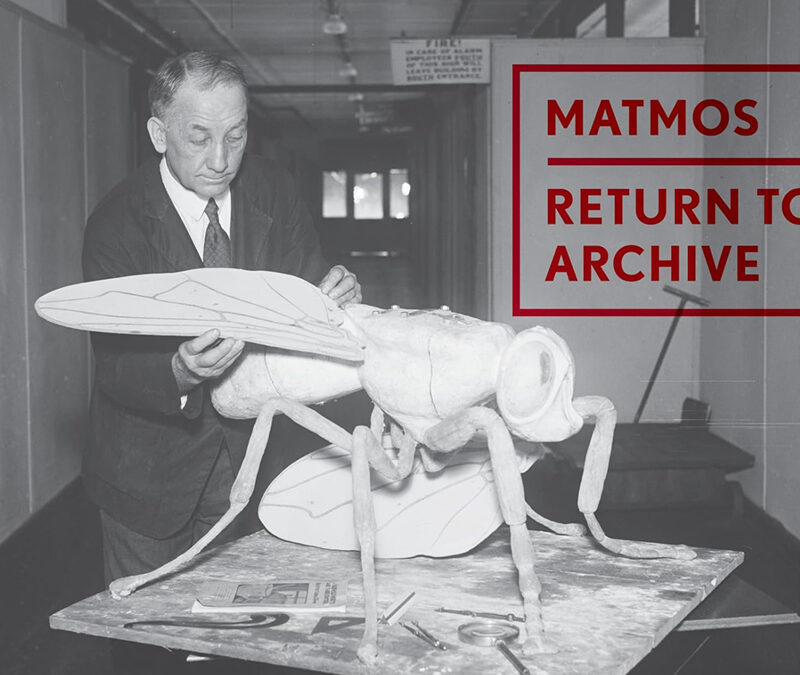
An uncompromising electronic music duo, Matmos have earned their reputation by basing their music on the use of non-musical samples, in the manner of the precursors of musique concrète. The samples on their album A Chance To Cut Is A Chance To Cure, for example, are derived exclusively from sounds produced during surgical operations. Their exposure to a wider audience came with the important part they played in the production of Bjork’s Vespertine and Medúlla albums. For their latest project, they decided to delve into the non-musical part of Folkways Record’s incredible sound archives. Drawing heavily on field recordings, we encounter the human voice, insect noises, dolphin noises, barking, bells, buzzers and other detonations. But there is a very little space here for a pop or dance approach, as can be found in some of their previous productions. We are much closer to the early work of GRM and Pierre Henry. As the title of one track puts it: ‘Music Or Noise?’, make up your own mind!
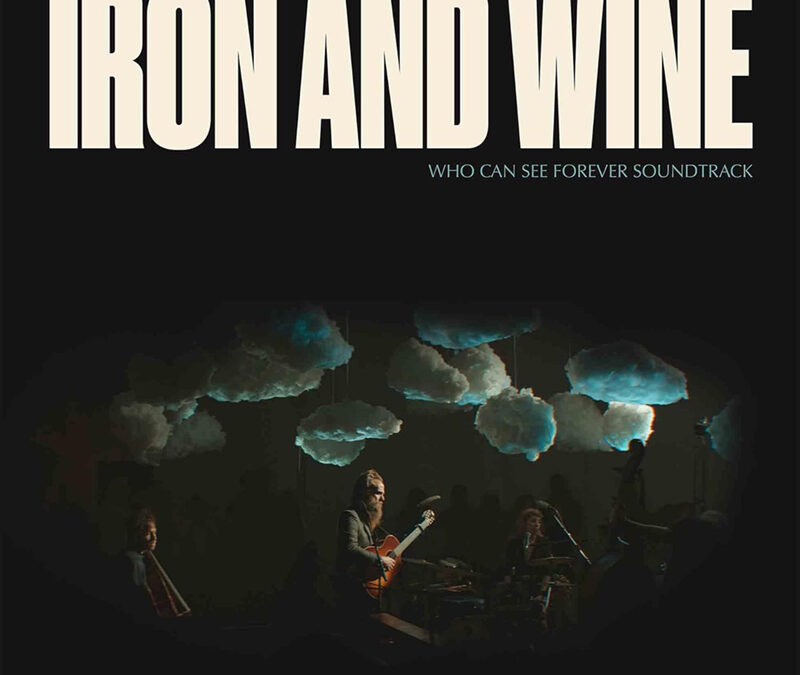
Sam Beam, his legal name, has published, between concert and studio recordings, around ten albums since the beginning of the 2000s. At university he studied painting and cinematographic art, he will also become a cinema professor. An activity which allowed him to refine his first compositions before being noticed by the Sub Pop label. Starting from an acoustic folk base, he added pop elements throughout the albums. He has a personal style, which suits his smooth voice, often compared to Elliot Smith or Nick Drake and his album which opened him to a wider audience is “The Shepherd’s Dog”. For this concert we are witnessing a return to completely acoustic music, with the addition of piano and guitar currents, a double bass and a cello. Choirs and percussions happily enhance the whole. The sound recording involves us in this peaceful music, an atmosphere in correlation with the cover of the record. Provided that your system is capable of density, you will raise the sound until you have the impression of sharing the space of your living room with the musicians. A moment apart.
At just 30, this English drummer is already a fixture on the London jazz scene. He was introduced to the style as a child through his father’s record collection, and was only 10 when he met Billy Cobham. Cobham was to help him perfect his apprenticeship. With his two brothers, who were not to be outdone in their musical gifts, and saxophonist Wayne Francis, they formed United Vibrations. He collaborated with keyboardist Kamaal Williams on one album, then recorded another with Tom Mish. He also works as a producer and composer, and is the author of a series of live albums. For the first album under his own name, rhythm and percussion are the mainstays of the music. But the influences are multiple and the melodies are well present to provide us with over an hour of dense but accessible compositions. We come across free jazz, Caribbean music, rap and pop, and in each track, Africa is never far away with a relentless groove. A record with a rich heritage, but one that knows how to look further afield. It seems that the English jazz scene owes Yussef Dayes a debt of gratitude.