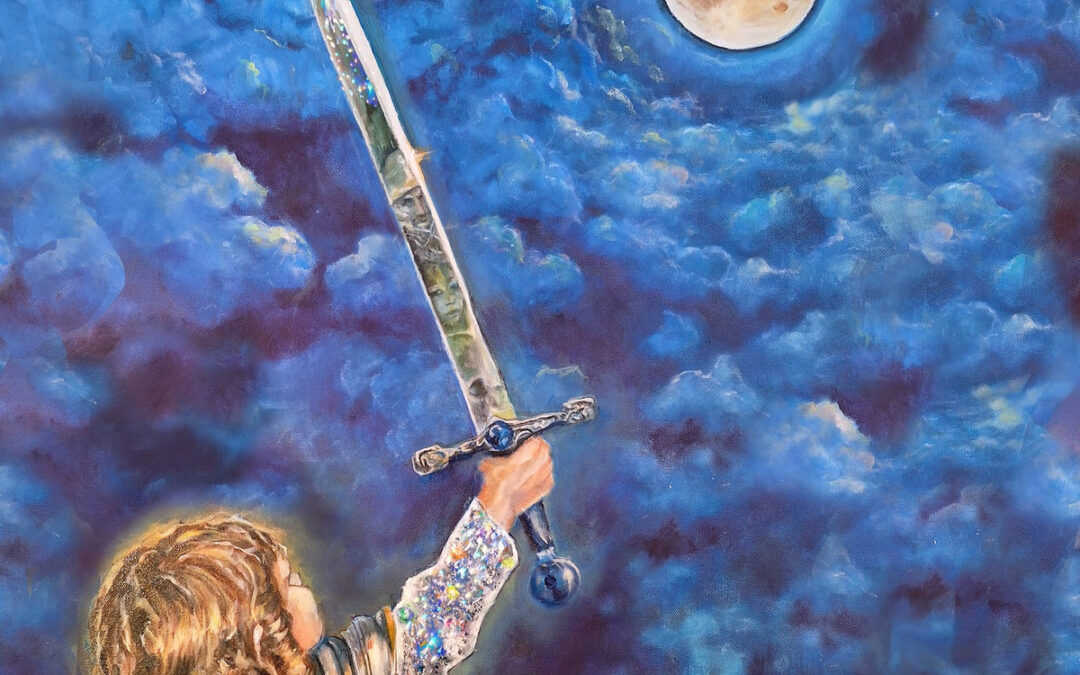
Artist: Alex G Album: Headlights Label: RCA Records Link: www.sandyalexg.com Style: Pop, Folk, Alternative & Indie
Alex Giannascoli was introduced to the guitar at the age of eleven by his older brother. At the same time, he began composing and recording himself in his bedroom. In high school, he played in several bands in his hometown of Havertown, Pennsylvania, which allowed him to explore different musical styles. Between 2010 and 2012, the young man released his work independently on Bandcamp, which earned him a strong online following and led to him signing with various labels, including Domino, before signing with RCA. He cites Neil Young and Elliott Smith as his inspirations, and the lo-fi sound of his early work also brings his music closer to that of the band Pavement.
Still centered around his guitar, his compositions oscillate between acoustic folk reminiscent of Bonnie Prince Billy and a much more lush and electric pop. Strings and backing vocals, featuring the singer’s partner, add an extra dimension to a few tracks without sounding too conventional. Although Headlights is a departure from his early online recordings, he has managed to retain the indie charm that made him such an authentic artist. Fans will not be disappointed by this album, which is also likely to appeal to a new audience.
Long reluctant to record in a studio rather than at home, for fear of losing total control of his music in the face of technology he doesn’t fully master, Alex G took the plunge for his previous album and repeats the experience with Headlights. To do so, he once again placed his trust in Jacob Portrait, and the result is clearly convincing. The Lo-Fi spirit is preserved, with a homemade feel still present, but with a much cleaner and more precise sound that is better suited to listening on a high-quality system, allowing you to appreciate the intertwining of the melodic lines and the timbres of the instruments.
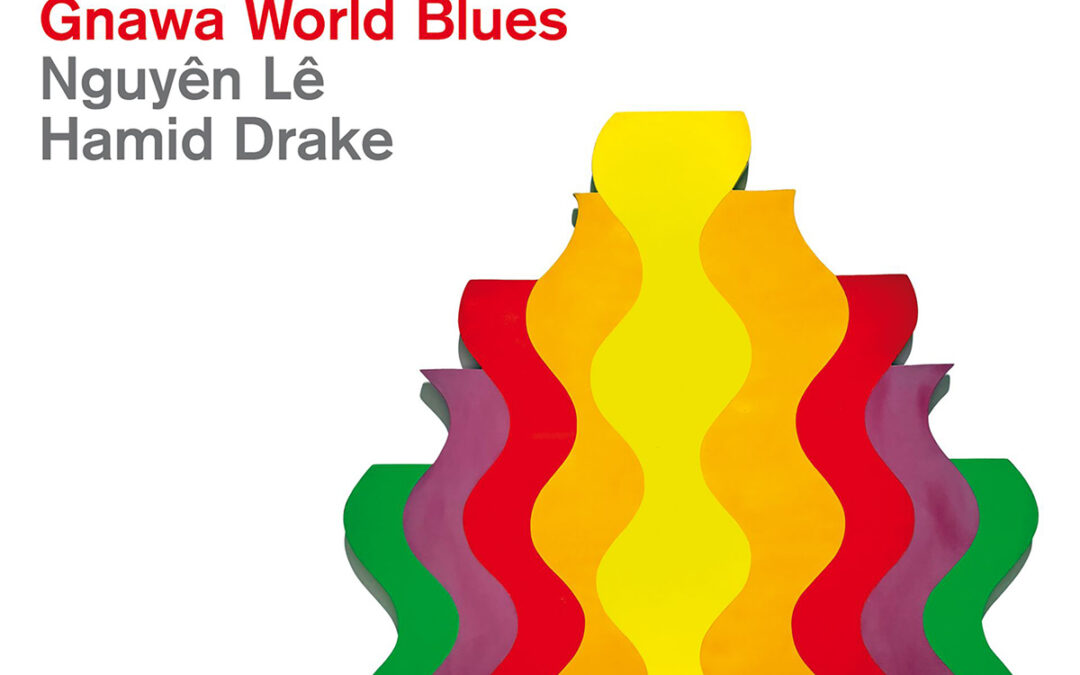
Artiste : Majid Bekkas, Nguyên Lê, Hamid Drake Album : Jazz At Berlin Philharmonic XVII : Gnawa World Blues Label : ACT Music Lien : https://actmusic.com/en/jazz-at-berlin-philharmonic-xvii-gnawa-world-blues/ACT-8007 Style : Musique du Monde, Jazz Contemporain, Blues
With its world-renowned acoustics and distinctive architecture, the Berlin Philharmonic regularly opens its doors to jazz artists. The equally renowned ACT label has been echoing this since 2014 with the Jazz At Berlin Philharmonic series. For this seventeenth volume, the recording is of an encounter full of cultural fusion. Moroccan multi-instrumentalist Majid Bekkas, a former classical guitar teacher, blends Gnaoui tradition with blues and jazz; Nguyên Lê is a French jazz musician of Vietnamese origin who mainly plays guitar and bass; Hamid Drake is an American drummer and percussionist specializing in jazz and improvised music.
The music played during the concert recorded by ACT is the perfect illustration of these influences, sailing between Africa and America, where the traditions of the Maghreb countries meet with hints of trance music, like a link between the blues and the sub-Saharan regions that becomes more evident on certain tracks. Particularly interesting are the reinterpretations of John Lee Hooker’s “Boom Boom” and Jimi Hendrix’s “Purple Haze,” on which the guitar takes on a slightly more catchy tone. The ensemble shines with its freshness and sense of freedom, in keeping with the modernity of the contemporary jazz artists present.
Each musician brings their own contribution and particularities to the collective work. However, Jazz At Berlin Philharmonic XVII: Gnawa World Blues does not sound like a juxtaposition of talents, but rather like an ensemble, a sharing and a common love of music, wherever it comes from. The choirs join Majid Bekkas’ voice on traditional songs, while the drums support and embellish the guitar when it takes on a bluesy tone. The timbres are always clear and each artist’s playing blends perfectly with that of the others. The distribution of the musicians on the sound stage is beautifully precise and enhances these connections.
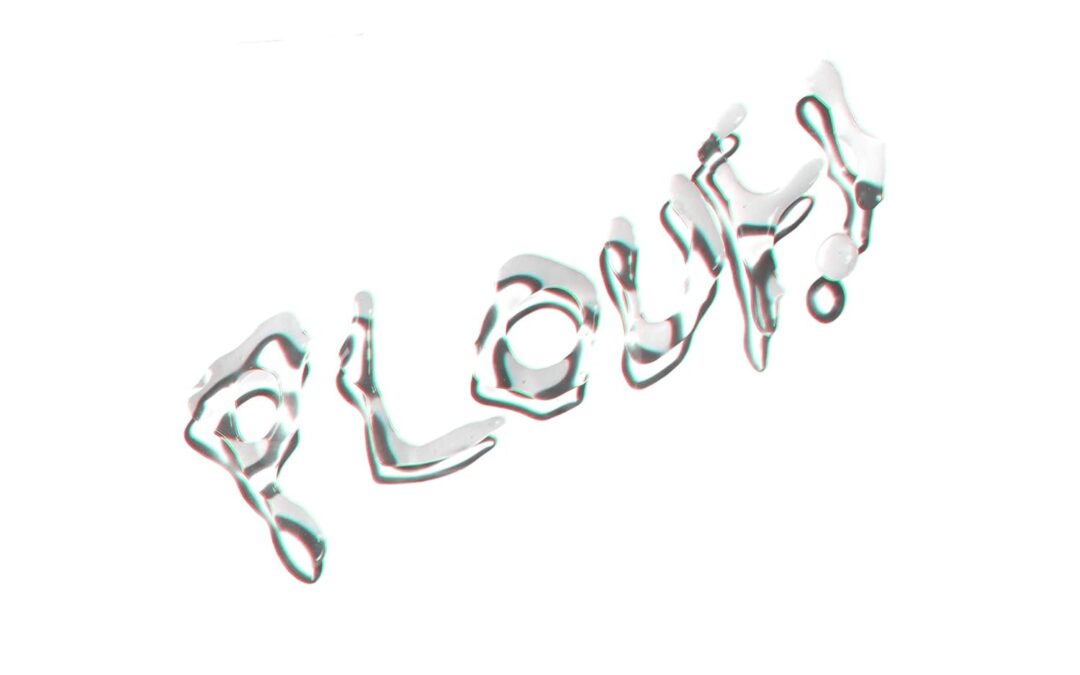
Artist: Flavien Berger Album: Plouf! (Léviathan) Label: Pan European Recording Link: paneuropeanrecording.com Style: Pop, French chanson
Parisian Flavien Berger comes from a family involved in the film industry, and his father is also a jazz critic. As a teenager, he listened to rap and discovered composition with the game Music 2000. While studying at ENSCI – Les Ateliers, he formed the Sin collective with other students, where he was responsible for the sound design of their creations. They later moved to Brussels, and it is from the Belgian capital that the artist releases his music, where he has made a name for himself with two EPs and, above all, his first album in 2015, which demonstrates great originality in compositions based on electronics and home studio recording.
Plouf! is an in-depth reinterpretation, ten years on, of that first album. This time around, Flavien Berger has chosen to abandon computers and sequencers in favor of musicians who will literally recompose his tracks. The result is a more organic sound, somewhat timeless, reminiscent of when the great French arrangers experimented with psychedelia. It suggests Jean-Claude Vannier or the weightless moments of Alain Goraguer’s soundtrack for the movie Planète Sauvage. The collective and the acoustics take us to musical lands that play with the usual reference points, provided we pay attention.
The new Léviathan hasn’t completely lost its aquatic sounds, but it has gained a warmth and fluidity that only playing as a group can bring. And indeed, it is the musicians and their instruments that are brought to the fore. The vocals are placed just below them, favoring their contribution to the atmosphere rather than the comprehension of the lyrics. The timbres, and in particular the sound of the synthesizer, seem to pay homage to French studio recordings of the 1970s, when artists experimented with sound without completely letting go.
Artist: Drift Album: At The Party Label: Animal 63 Link: www.youtube.com/watch?v=hg9UnQk1oPM Style: Electronic, Funk, Pop
Attached to Ferber Studios, notably Studio B where he has set up shop, while providing sound for Jean-Michel Jarre’s concerts, engineer and producer Renaud Letang has worked with an impressive number of musicians, including many of the most important artists on the French scene. In the particularly long list of albums he has produced, he has embraced a multitude of styles, but alongside these achievements, he has also been quietly working on personal compositions, which he is finally releasing. The artists featured on the album are as numerous as they are diverse in their backgrounds and horizons, sometimes very distant from one another.
Under the pseudonym Drift, Renaud Letang delivers music that is uniquely his own. It draws on influences from disco and funk, but it’s as if these styles weren’t meant to make you dance, daring instead to blend with lounge and even easy listening. Given the number of guest artists, the tracks seem to be the result of a collective effort, and depending on the participants, they take on a style closer to electronic music or hip-hop. To stay in keeping with the mood of the album, even the troublemaker Philippe Katerine offers lyrics that are less absurd and divisive than usual.
This album, produced by Renaud Letang himself, is a bit like a dish worthy of a Michelin-starred restaurant, served to us with Grandma’s portions when she found us anemic. The atmosphere is perfect for relaxing on a rooftop, but audiophiles will appreciate the balance across multiple criteria, never excessive. All the instruments and other electronic sounds are very clear and manage not to sacrifice the connection between them. The soundstage is not the widest, but everything finds its place naturally between the speakers. The overall sound also maintains a balance between instrumental warmth and precision.
Artist: Swans Album: Birthing Label: Mute Link: https://mute.com/artists/swans/ Style: Rock, Alternative & Indie
A band that has undergone many iterations, with regular breaks and changes in line-up, Swans remains led by guitarist and singer Michael Gira. Initially close to Thurston Moore from Sonic Youth, the band has changed style while retaining a heavy and dark foundation. Far from being a softie, the singer even regularly displayed violence towards his concert audiences in the early years, and despite a significant aura within the indie rock community, the band’s commercial success remained limited, to the point of causing problems with the MCA label and pushing the artists to develop a business model that financed the recording of studio albums through the sale of live records or other projects.
Now firmly established in a slow-tempo industrial sound, the Swans of 2025 plunge us into twilight, almost post-apocalyptic atmospheres in which there is little room for proto-melodies. On long tracks, which bring the album to almost two hours in length, Michael Gira chants morbid and violent lyrics, somewhere between screams and incantations, against a backdrop of distorted and saturated guitars, spread out over a carpet of percussion that seems to come from distant horizons. Despite everything, the original high standards that have always dominated the band’s destiny are still present in this dark new opus.
Even if the atmospheres are marked and heavy, they are not the result of an impenetrable amalgam. The elements that make them up remain clearly legible. First and foremost, the vocals reveal all their intonations and are sometimes accompanied by backing vocals. The guitar demonstrates a beautiful variety of tones, with a few acoustic parts always inserted into a light maelstrom of sounds. Finally, the percussion plays a central role in the sense of mass that emerges when listening to Birthing.