

VUmeter: Hi Begüm Tomruk, you are Marantz’s new Design Director. Can you tell us more about your background and how you got into hi-fi?
Begüm Tomruk: Hi! I was born in Istanbul, where I studied industrial design, before moving to Germany for professional reasons. I started working at Grohe Spa in Düsseldorf, where I helped to redesign and revitalize the products. This gave me precise experience not only as a designer, but also in understanding the importance of brand identity, particularly in the luxury market.
As an industrial designer, you have to aim immediately for a final rendering, but with the whole production cycle in mind from the outset. As a result, sometimes a project starts and is interrupted along the way, because it presents too many constraints. Alongside this reflexive approach, I have also learned how to enhance products, notably through packaging, not only visually, but also in terms of practicality and how to take an object out of its box to enhance its value right from the start. For these reasons, it is important to also take part in launch marketing campaigns, to check that the photographs do not detract from the product, that they correspond to the desired image, and so on.
After this ten-year experience, I decided to move into audio design, which is why I joined Marantz as Industrial Design Director, in a comprehensive position that also includes the “creative direction” component, which gives me a global view of projects.
Can you tell us more about your attraction to audio and the high-fidelity sector?
First of all, music has always played a big part in my life. I have always been passionate about it, and I played the piano for a long time from a very young age, so I have a real musical ear. So designing products for something I am passionate about, which brings direct and powerful emotions, was very appealing to me. With music, there are great opportunities to tell stories, to recall memories or emotions, to create new ones.
And in the development of Marantz, there was also an idea to help the brand enter new segments, to energize modern products aimed at a different audience, and even to rub shoulders with the frontier of luxury, as we are doing now with the Horizon series.
When you joined Marantz two years ago, was the Horizon project the first to be put into your hands, and were you the initiator?
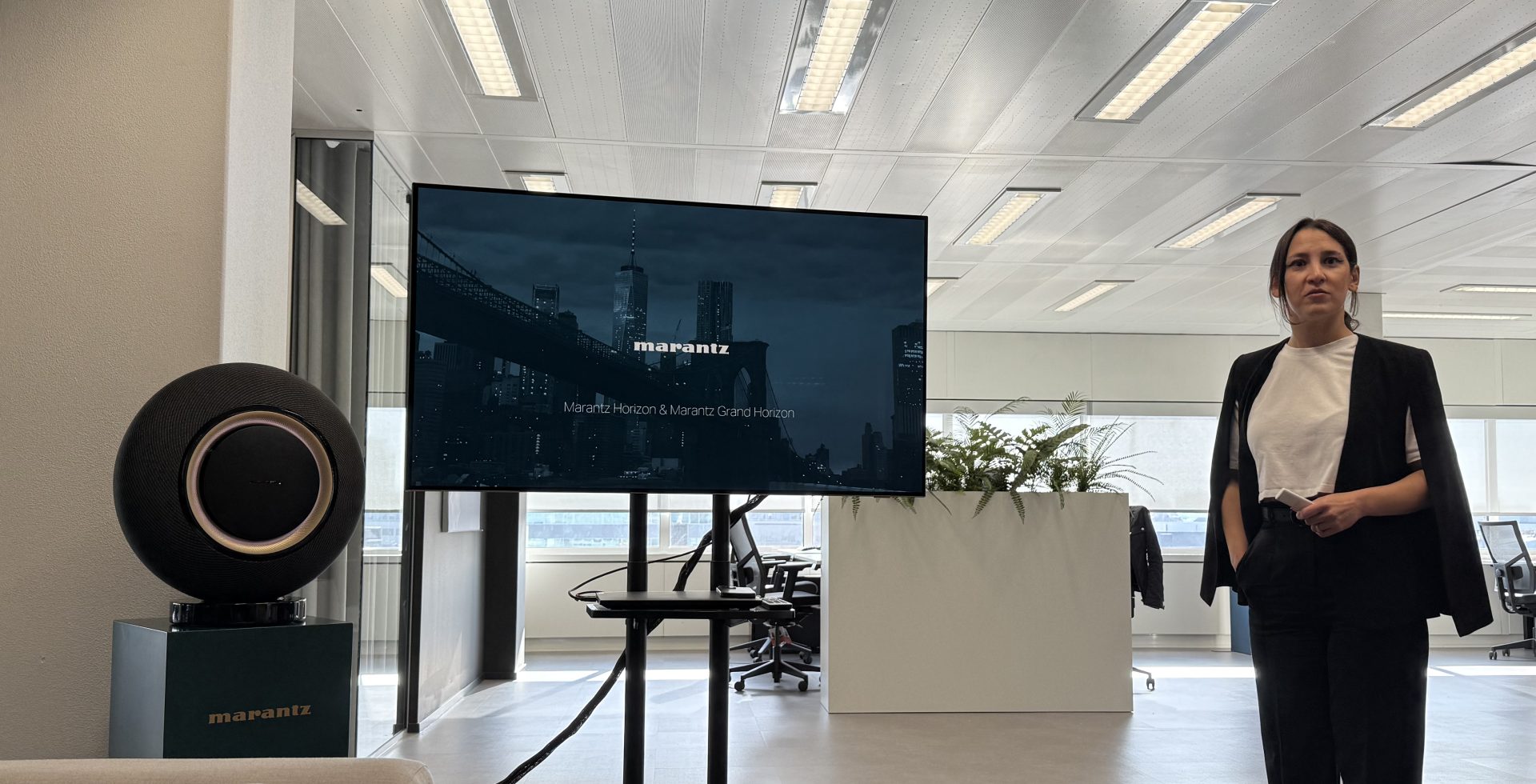
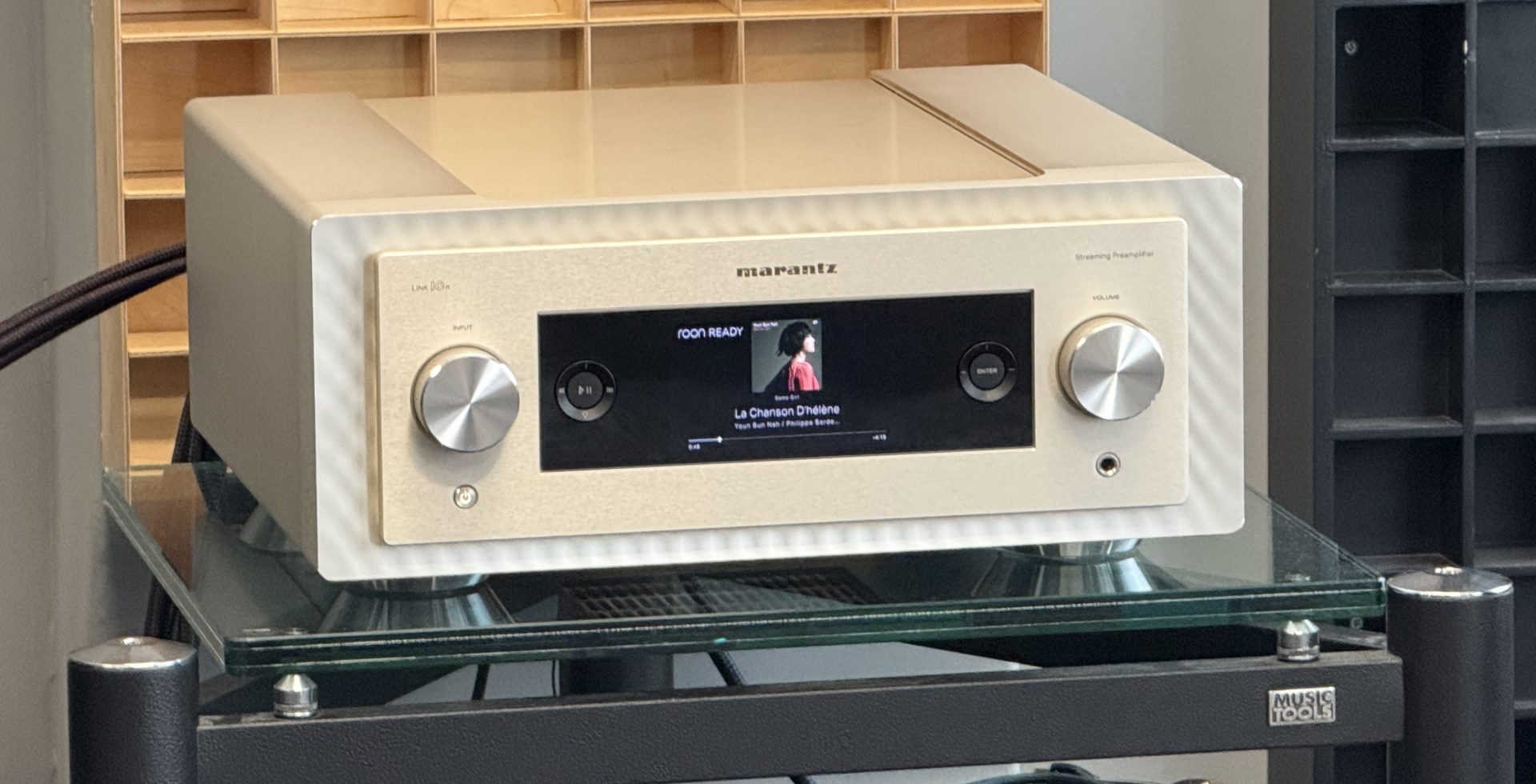
When I arrived, there were multiple redesign products on the table, but the Horizon project was indeed the first major project I had to lead, to take the brand and brand image to other spaces. I work very closely with the group’s teams, the industrial design team obviously, the packaging team too, but also with the marketing team, in order to take the company in a coherent direction, with real consistency to develop in new markets. So, on the one hand, I managed the design of certain high-end products, with the appearance of the 10 Series (VUmètre tests to come), and on the other, the creation of the Horizon range, initiated before I joined the group, but still in full development.
What influence and contribution have you had in bringing Horizon and Grand Horizon to where they are today?
As I just mentioned, the project was already underway when I arrived, but it was still based on concepts. To expand the Group’s portfolio, it was quickly decided not to develop yet another luxury range based on conventional audiophile products, since the Series 10 were already being developed in parallel, and so to use current technologies to develop a modern, connected object.
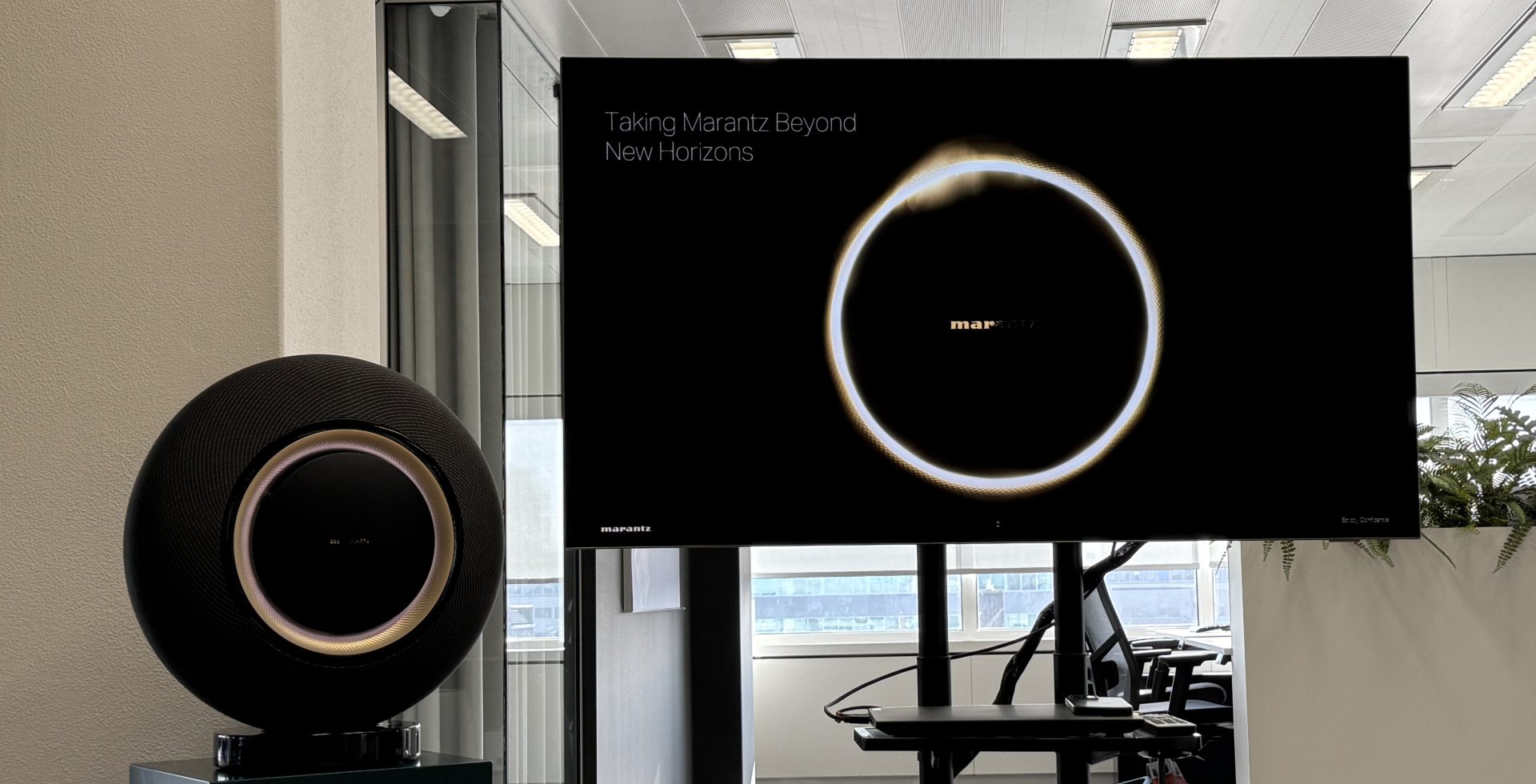
This was the starting point for the wireless loudspeaker project, with the idea of investing in new horizons, and therefore new consumers, with impressive objects that break away in design from the usual notion of hi-fi. We regularly hear that audiophiles are tending to age or even disappear, yet there is still a very strong interest in hi-fi, particularly among the younger generation. But while young people and even some more experienced listeners love good sound and great music, they want much simpler solutions than before to access it.
So the Horizon and Grand Horizon arrive today, launched by a company with a hi-fi heritage spanning over seventy years, with audiophile confidence that despite a highly innovative design, sound quality will not be sidelined.
While we still hesitate to speak of “luxury” in hi-fi, despite ever more ultimate products and prices that are now stratospheric for some, you don’t hesitate to use these terms and display this image objective?
When I joined the Group, I very quickly felt that the Marantz heritage was becoming a burden rather than a privilege. When I told my friends that I was going to work for this brand, the responses were regularly “Ah yes, my father had a Marantz amp!” or “My grandfather still uses a Marantz CD player!”.
But we have to live in the present, and we have to want most people to think of Marantz as they did thirty years ago: as a modern technology brand that people want to invest in. To achieve this, the notion of luxury is coupled with that of brand awareness and image.
Products must therefore continue to deliver what they have always delivered in terms of sound quality, but this must be accompanied by a design feel that is totally in tune with modern expectations. Changing the image of a room with an object, changing the perception of space by integrating a product like the Horizon: this was the challenge we set ourselves from the outset of the project.
How did you arrive at the Horizon and Grand Horizon?
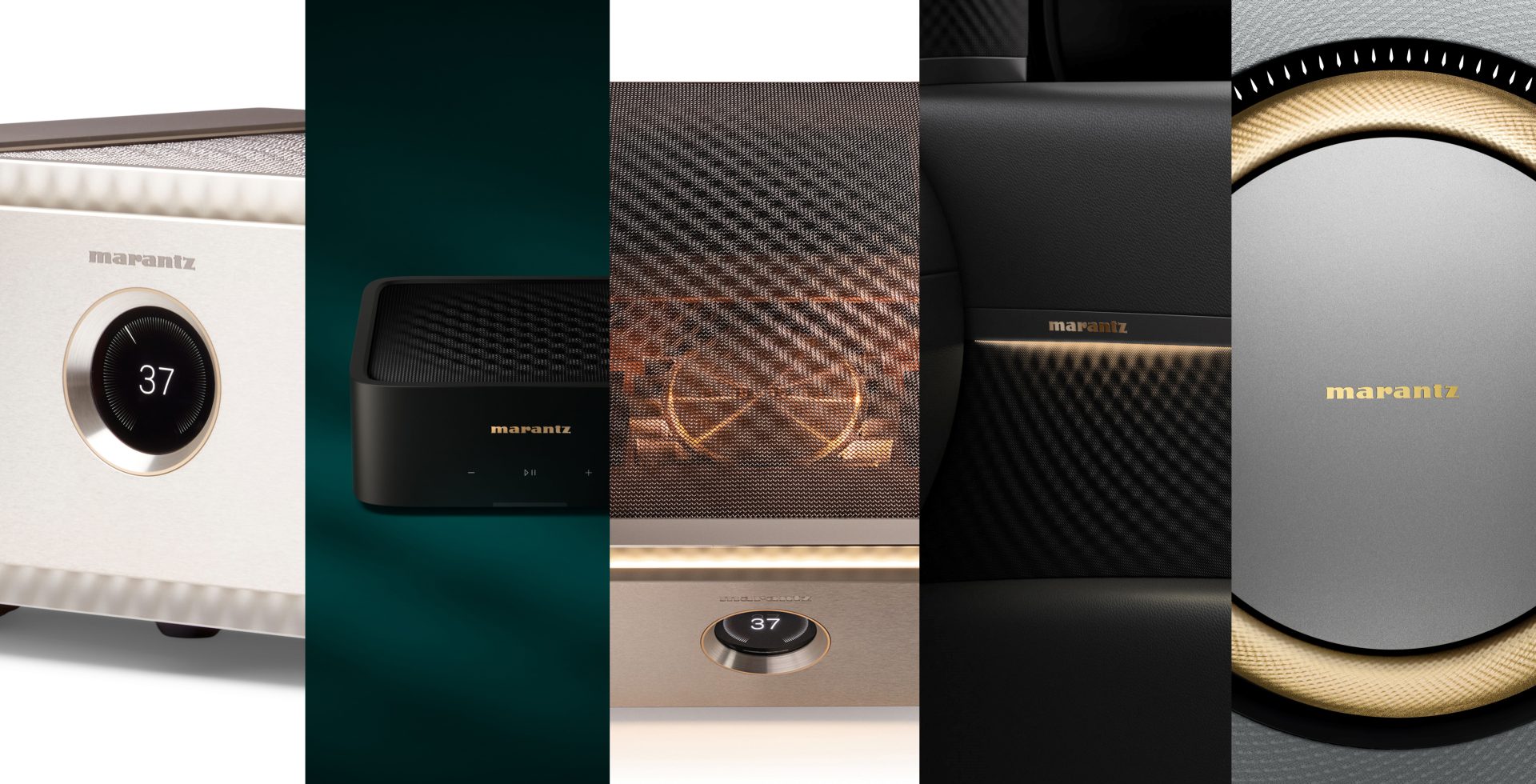
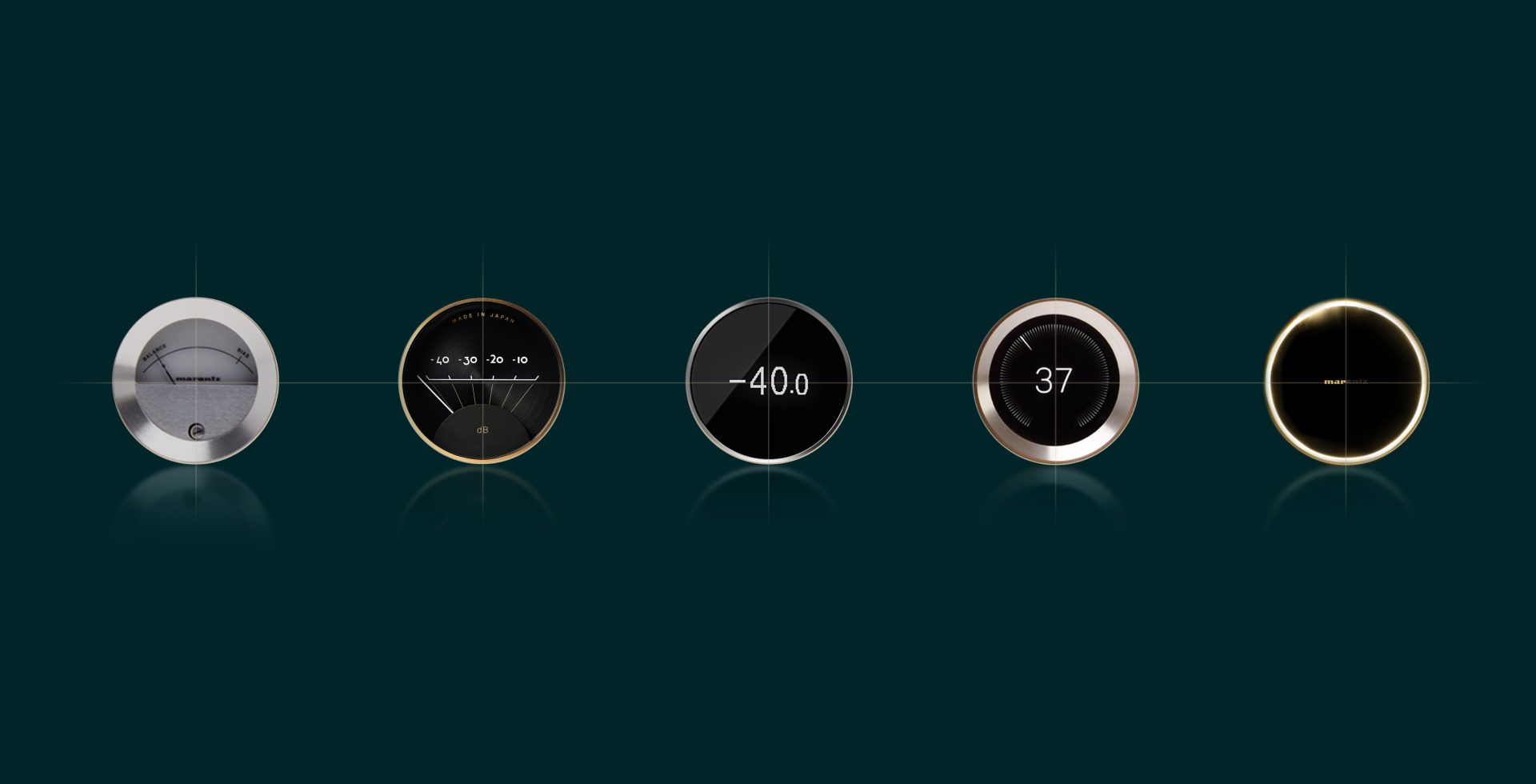
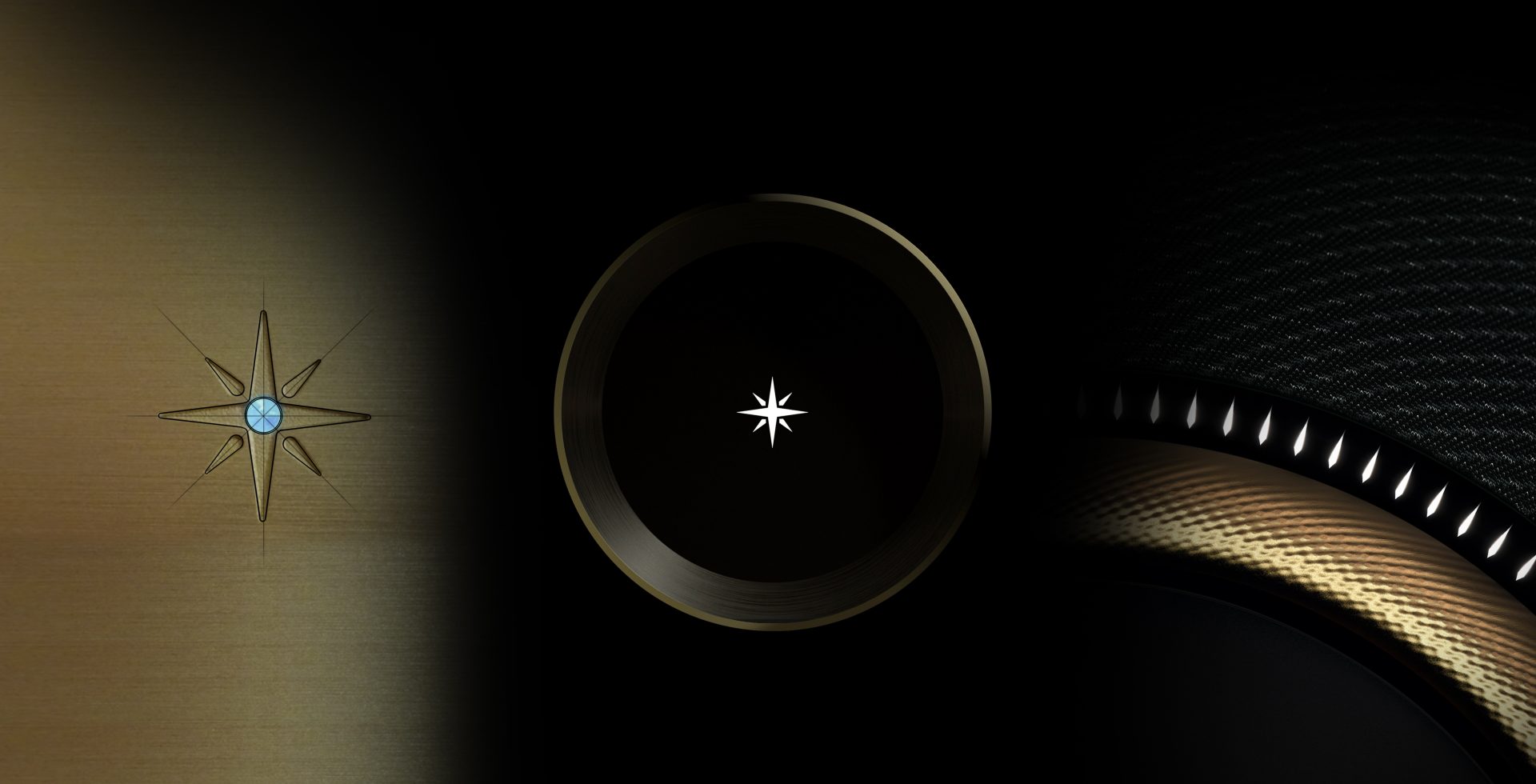
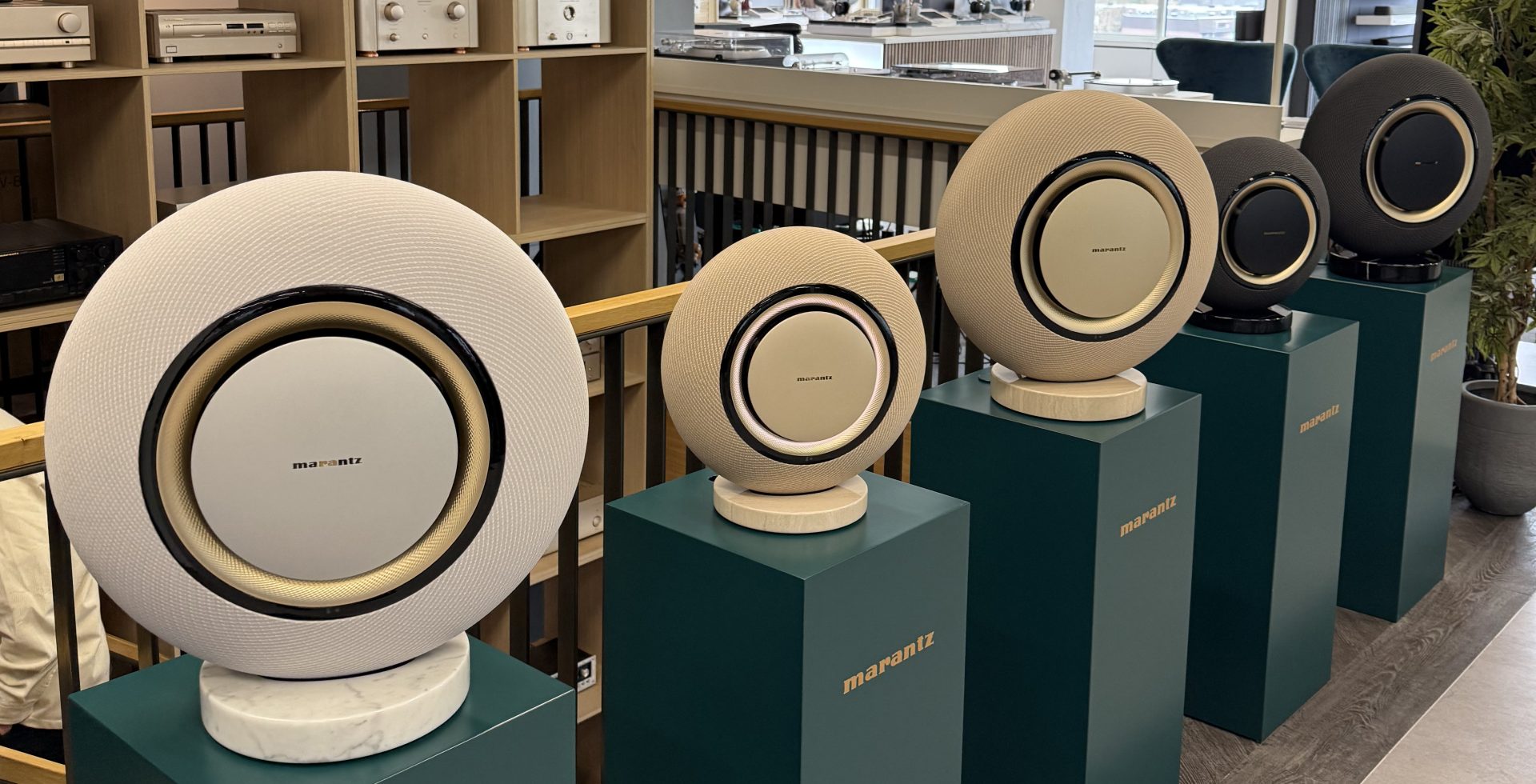
When I arrived, the most important thing was to understand and take ownership of the project, to arrive at a product in which every detail would be controlled and thought through. For example, I rethought the look, the three final colors and the packaging. Everything was conceptualized in-house, from usability checks to the interface, via a large number of tests.
The object itself is a reinterpretation of a portal, just as all Marantz amplifiers in the past were portals to great sound quality and music. In a way, we wanted to celebrate this heritage, with an innovative shape that is highly recognizable and at the same time easily integrated into a contemporary interior.
The Horizon can be used by audiophiles as a secondary system in a bedroom or kitchen, for example, as well as by luxury groups in wellness or spa environments, or suites in large hotels. It is all these audiences we had in mind during development, which is why the materials and colors were also geared to appeal to interior designers and people who value iconic designs.
Sorry for this question, but you are a woman in a world where consumers are predominantly male, not in the proportion of people who listen to music, but in the proportion of audiophiles. Do you have any ideas on how to bring women back into the purchase of audio equipment?
That’s absolutely right, the market is very gendered! For my part, I listen to music sometimes connected, but otherwise I use my own system, and when I arrive at people’s homes, I’m used to getting a feel for the rooms based on the hi-fi elements in them.
However, although I have no problem with a so-called conventional system (including all the cables that go with it…), for many younger people, and perhaps for many women too, it can seem too off-putting and therefore a barrier to purchase. I think a lot of people would like to have the possibility of listening to good music in their personal spaces, but without any complexity.
If we want to reach out to everyone, and in particular to audiences who are not familiar with hi-fi, we need to keep things simple. Women can also make a real contribution to interior design, and if we want to make a difference between men and women, men’s vision is more technological, while women’s is more based on appearance and integration into the space. That’s why I am very happy to have joined Marantz, to open up the company to new visions.
Thank you for all your answers. Could you conclude this interview by describing your hi-fi system?
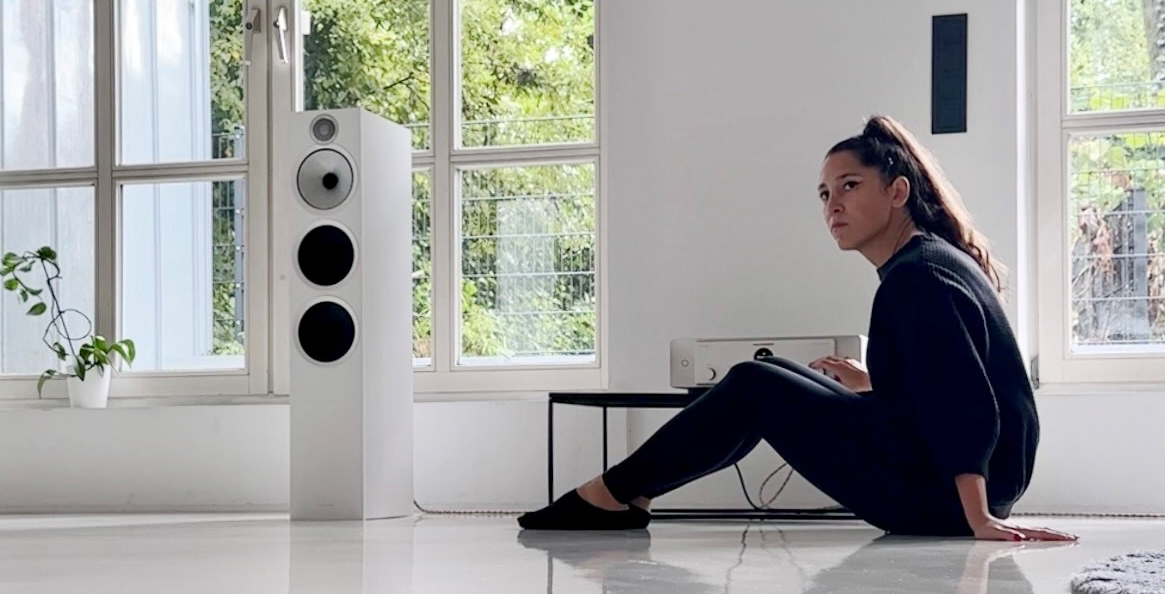
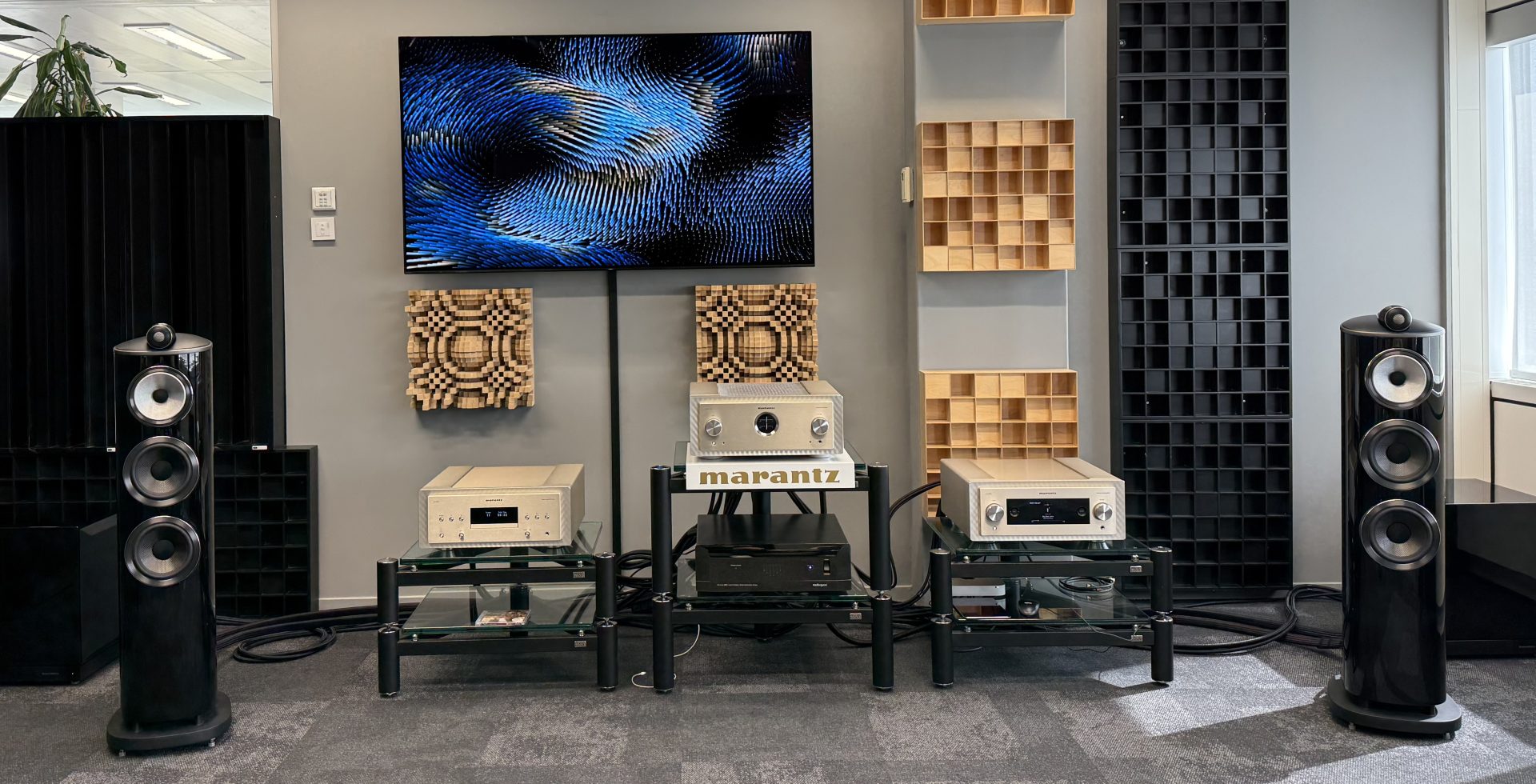
I use an old Marantz amplifier that is still in perfect working order, connected to Bowers & Wilkins 603 speakers, which I particularly like for their sound and their minimalist approach to what a floor-standing speaker can be. Everything is connected to a source I can’t tell you about yet… and when I want simplicity, I use the Grand Horizon on the other side of the room!
Thank you very much Begüm Tomruk.


