Maruja’s beginnings date back to 2014, when Harry Wilkinson and Matt Buonaccorsi, then still in high school, began making music together. But their sound and style would only take on the trappings of their current productions when they evolved into a quartet, with the arrival of drummer Jacob Haynes and saxophonist Joe Carroll. Largely self-taught, they draw their instrumental mastery from relentless improvisation and having scoured the independent scene. Although they hail from Manchester, they are also close to the new and vibrant London jazz scene.
If Nu Metal refers to the fusion of metal and hip-hop, with Maruja, we could talk about Nu Hardcore or Nu Jazz Rock. Indeed, from the incandescent ‘Bloodsport’, the first track of Pain To Power, the saxophone adds to the punk energy of the guitars, mixed with phrasing reminiscent of aggressive rap, with the rhythm allowing only a few rare moments of calm. Other tracks, on the contrary, display atmospheric and ethereal moods with more hypnotic rhythms and a less aggressive saxophone, while maintaining a healthy dose of non-conformism as their focal point. To convince yourself, listen to the first few minutes of ‘Born To Die’ and the slow crescendo that culminates in a noisy eruption.
Perfectly in keeping with the band’s style, the sound of this album is particularly dense, while avoiding being too compact or rough, largely thanks to the saxophone, which softens the wall created by the guitars and percussion. There is an alternation of passages presenting real bursts of energy, where the impact and dynamics of the sound compete for the foreground with acoustic drones, with moments that allow the listener to better appreciate the timbres of the instruments and follow their progression within floating atmospheres, as in the variations of the track ‘Reconcile’ that closes the album.
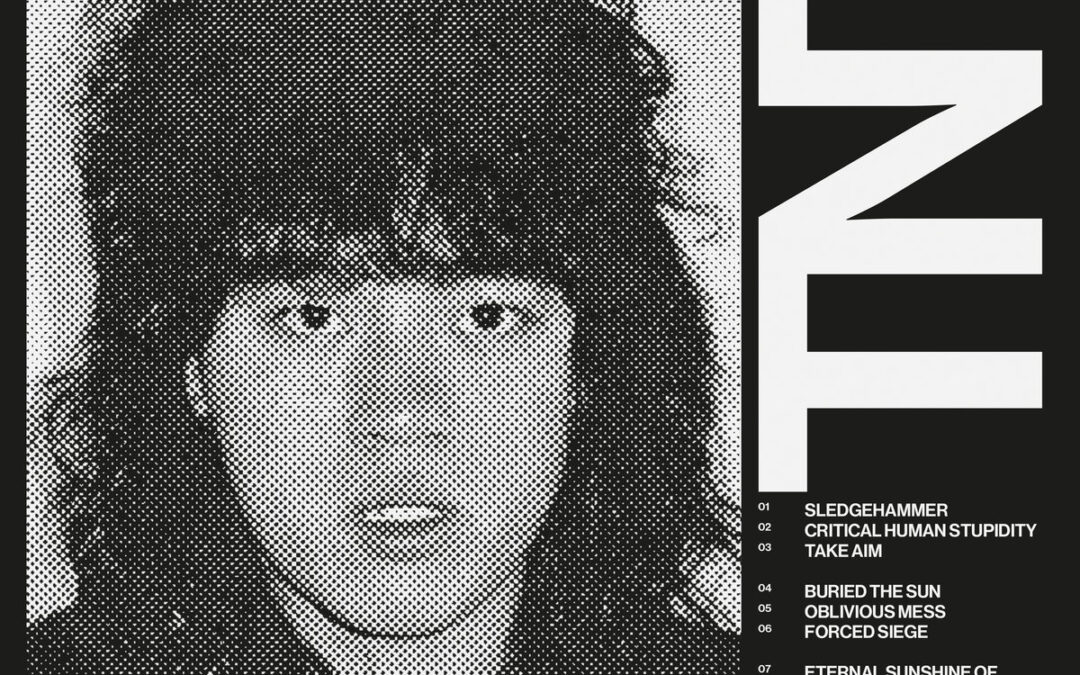
Artist: Wormrot Album: TNT (Live) Label: Earache Records Link: https://earache.com/collections/wormrot Style: Metal, Punk
Formed in Singapore in 2007, Wormrot was noticed a few years later by Digby Pearson, head of the Earache label, through one of their songs published on a webzine compilation. Impressed by the quality of their first album, originally released in 2009, he signed them and helped them quickly get noticed by the specialized press, particularly with their second album, which led to some great international tours. Today, they are one of the leading figures of the Grindcore scene and are considered by aficionados of the style to be one of the ten best bands in this genre of music.
Grindcore is characterized by fast execution, which here results in twelve tracks fired off in nineteen minutes. This album sees the original line-up, minus the bassist, perform live tracks from their discography. Musically close to bands such as Carcass and Napalm Death, this album does not suffer from the absence of a bassist, as the live performance recorded at TNT Studio increases the energy of the three musicians tenfold. A veritable explosion, any track on this album could make even the most extreme moments of The Stooges sound like simple teenage pop songs.
With abrasive guitar and angular drums, the sound of this album is reminiscent of a cascade of metal objects colliding relentlessly. The singer’s vocals are more like screams or belches, resulting in a final product that is far from a shapeless mass of sound where everything blends together indistinguishably. While the first few seconds may give the impression of cacophony, the aggressive guitar riffs stand out perfectly, as does the fury of the drummer, whose cymbals rival the guitar in presence. Be careful, however, to start listening to this record at a moderate volume, to preserve your eardrums as well as your speakers.
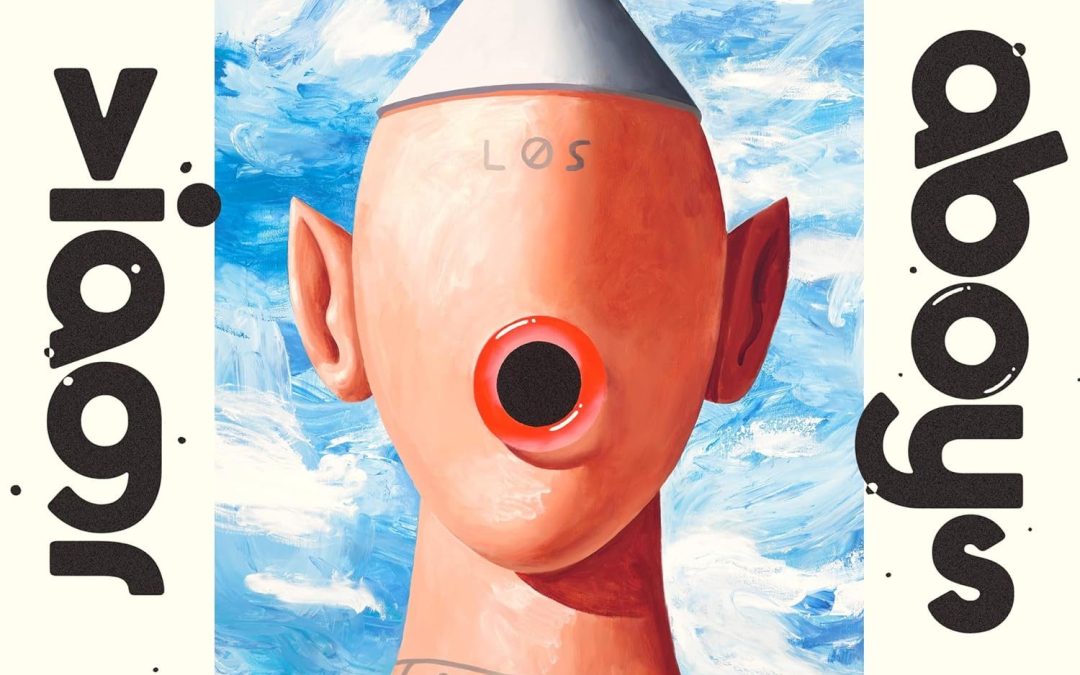
Artist : Viagra Boys Album : Viagr Aboys Label : Shrimptech Enterprises Link : https://www.vboysstockholm.com/ Style : Rock, Punk
Viagr Aboys, the Viagra Boys’ fourth album, shows that they are still at home in energetic punk rock, but that they also know how to explore more complex music to leer towards other musical horizons and renew interest.
The Viagra Boys are a Swedish band whose formation, in 2015, followed a karaoke party that took place in the tattoo parlor employing its two founders. Of the band members, singer Sebastian Murphy is the only one not born in Sweden, but with a Swedish mother, he is perfectly bilingual. After two EPs, the band released a debut album in 2018. It was well received by critics in both Sweden and the UK. The third album wins a Swedish Grammy, and in 2023, the musicians support Queens Of The Stone Age on their 15-date tour.
Their music is fully rooted in punk, and Viagr Aboys is strongly inspired by garage rock or proto-punk, always with an almost second-degree dose of off-beatness reminiscent to some extent of Devo’s approach, to which acerbic lyrics add a form of self-mockery. In addition to rhythm and guitar, the wind instruments stand out, including a saxophone that repeatedly takes a prominent place in the accompaniment, when the compositions stray from the canons of the punk-rock genre.
Perfectly in keeping with the style and image of the band’s live performances, the production of this record cultivates a haphazard, disheveled sound that may initially confuse the audiophile. However, parallels can be drawn with free jazz and avant-garde music. What’s more, while the compositions are abundant, the recording is far from muddled and doesn’t rely solely on energy, as is all too often the case in this musical style. Its clarity makes it possible to appreciate the tonalities of each instrument, as much as Sebastian Murphy’s slightly hoarse voice, which becomes softer on the last track.
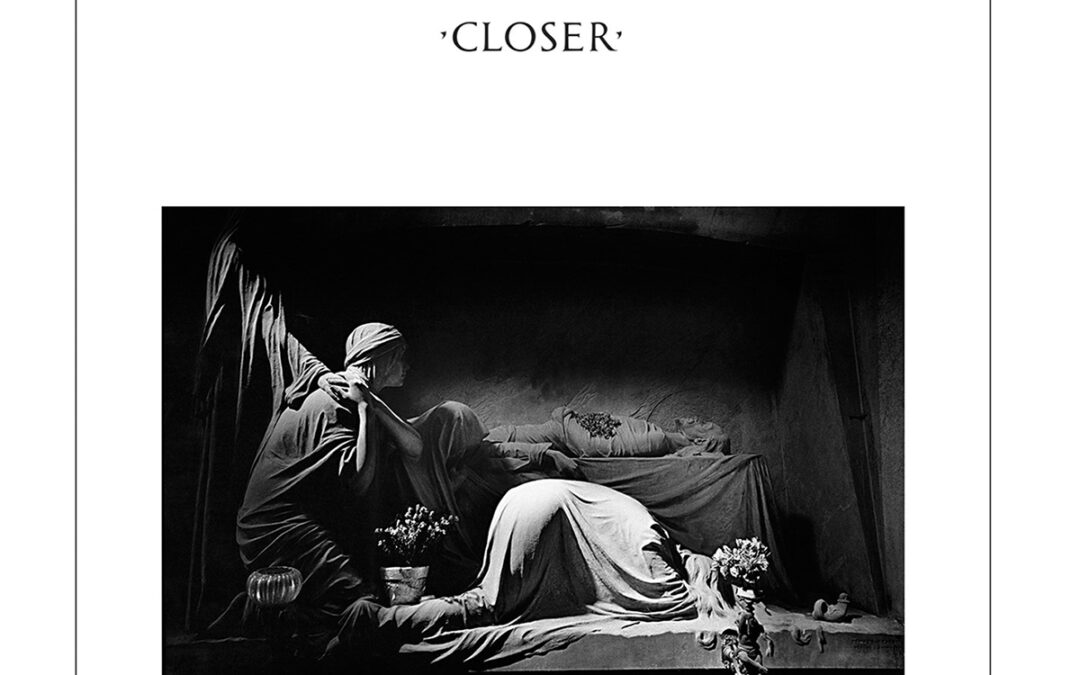
Released just a few months after the death of charismatic singer Ian Curtis, Closer, Joy Division’s second studio album, lays the foundations for the sound of both nascent new wave and gothic rock.
Joy Division is the archetypal band whose career seems to have been stricken by the weight of a curse, but which despite, or partly thanks to, the relentlessness of fate, managed to become a cult and strongly influence music. Influenced themselves by the performances of the Sex Pitols, Bernard Sumner, Peter Hook and Terry Mason decided to form a band, recruiting Ian Curtis through a classified ad. They subsequently changed drummers and names several times, before finally opting for Joy Division in 1976. The name, derived from a German term for the party that organized the sexual exploitation of female inmates in concentration camps, combined with the iconography of their first EP, led to suspicions of Nazi sympathies, which were always denied by the band members. Although he was the last member to join the band, Ian Curtis became a pillar of the band, with his unhappy lyrics, his sepulchral interpretation and his involvement on stage, where he lived every rhythm and every word. Suffering from epilepsy, he would sometimes have seizures on stage, and faced with his invasive psychic pain, as well as his difficulty in managing his notoriety, he took his own life when he was only 23, just a few months before the release of Closer. In forty-three songs and one hundred and twenty concerts, Joy Division succeeded in creating a legend and strongly influencing the music of the time, some facets of which can be perceived in the film Control, adapted from the book by Deborah Curtis, Ian’s wife.
Marked by punk, their style is really forged when they slow down the tempo, thus sticking to Ian Curtis’ particular phrasing. Another peculiarity is that Peter Hook’s bass carries the melodies, while guitarist Bernard Sumner opts for a more rhythmic style, while the drummer seems to follow his acolytes. Along with other bands from the same period, they were instrumental in the transition from punk to new wave. They are also considered to have had a strong influence on the gothic movement through the dark ambience of their music. What’s more, viewed in hindsight from the angle of their singer’s suicide, the lyrics take on the weight of a premonitory dimension in the expression of his existential suffering. Their influences include German rock from the same period, as well as older American bands such as The Velvet Underground, The Stooges and The Doors, and contemporary artists such as Siouxsie And The Banshees, who inspired their unusual use of guitar and bass.
Young producer Martin Hannett is no stranger to shaping the band’s distinctive sound. His meticulous attention to detail introduces delays and echoes, particularly on the drums. The ambience is cold, heavy and tense, with a surgical edge, but a dark, sticky post-apocalyptic surgery. For Joy Division, there’s a future after punk, but that doesn’t mean there’s hope. Nevertheless, beyond the legend, Joy Division’s two studio albums are considered indispensable. On this reissue, multiple compilations and live albums have been added, and while they do contain their share of nuggets, their purchase on physical support may be questionable, as they generate repetition and ultimately remain primarily of historical interest, except to band afficionados.